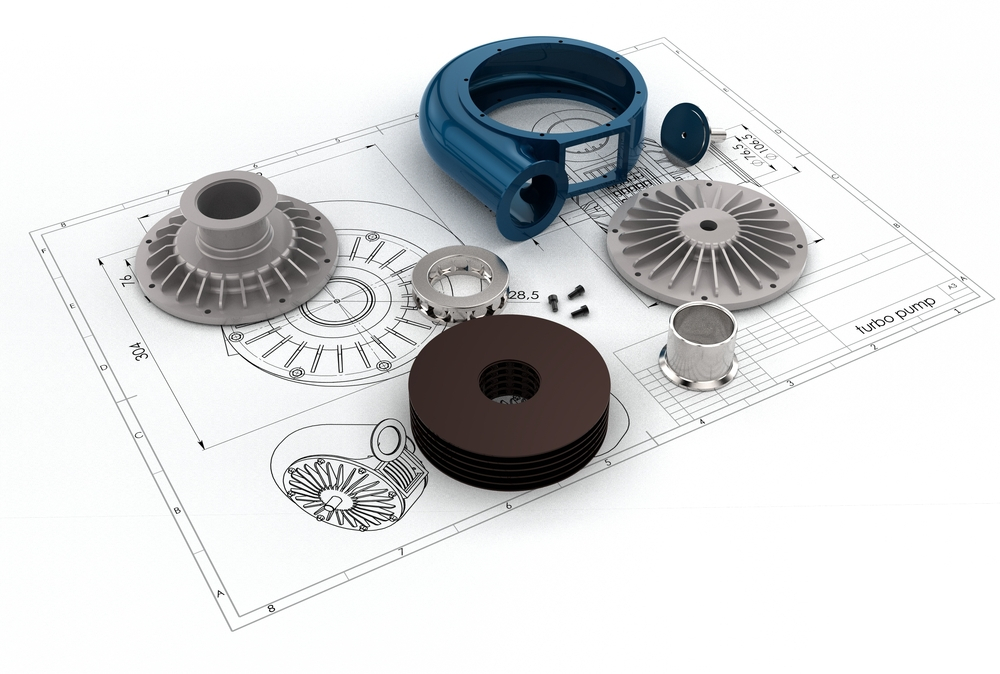
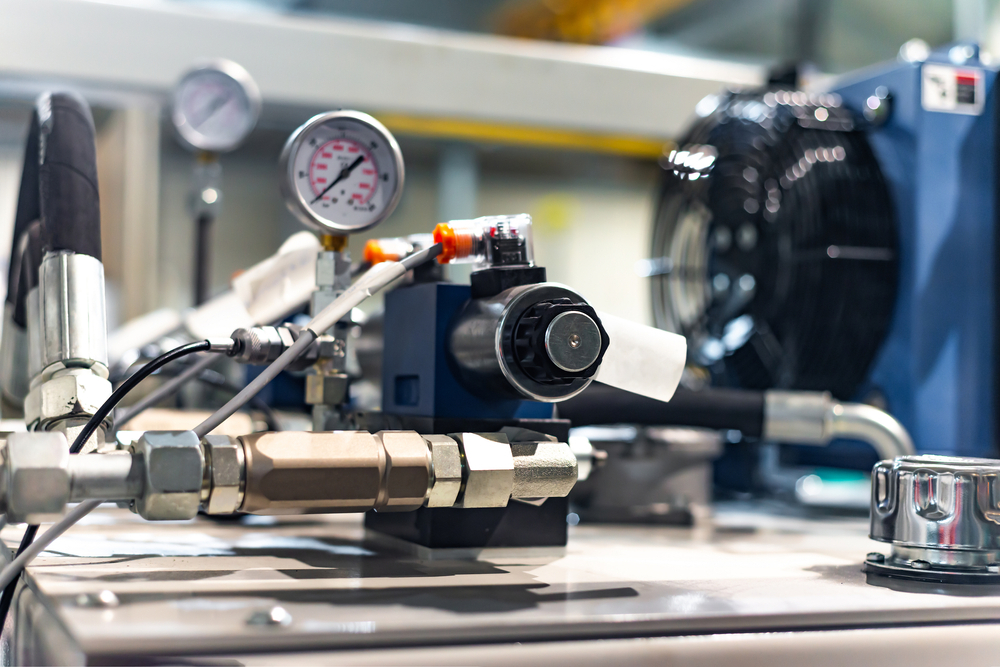
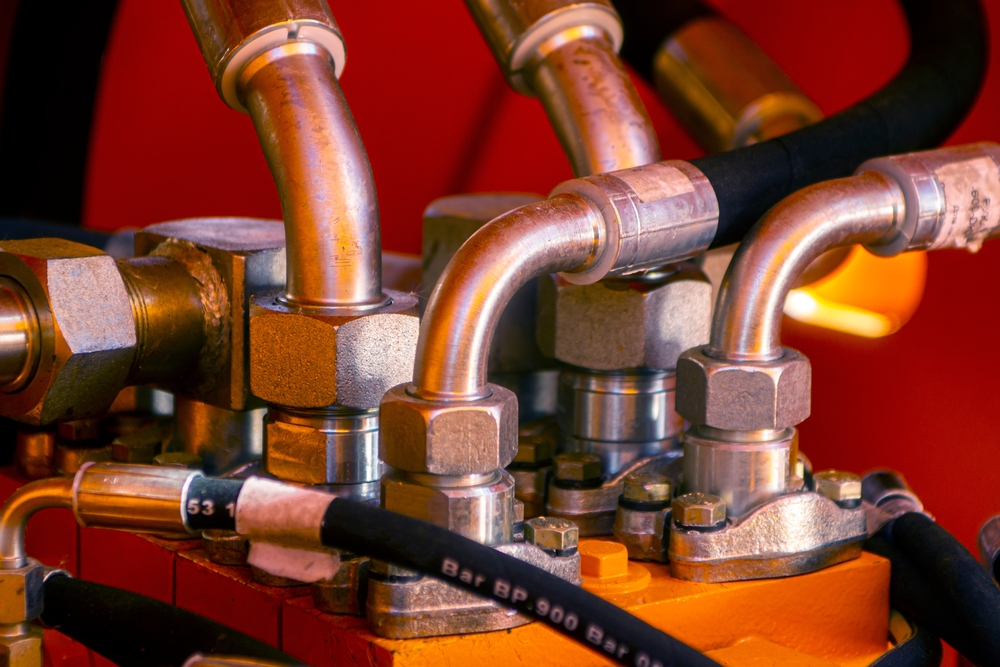
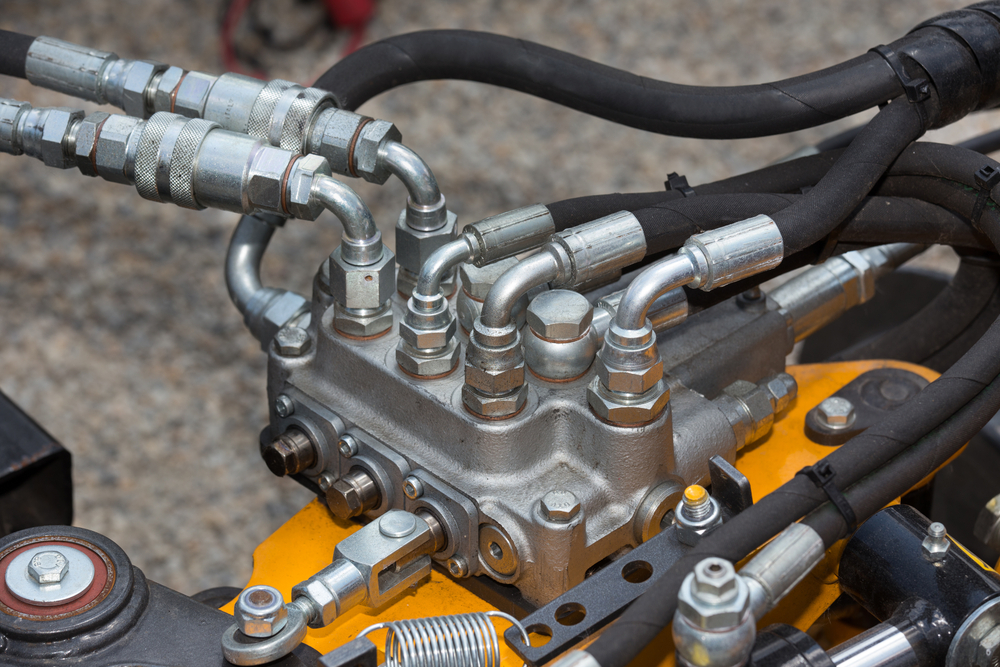
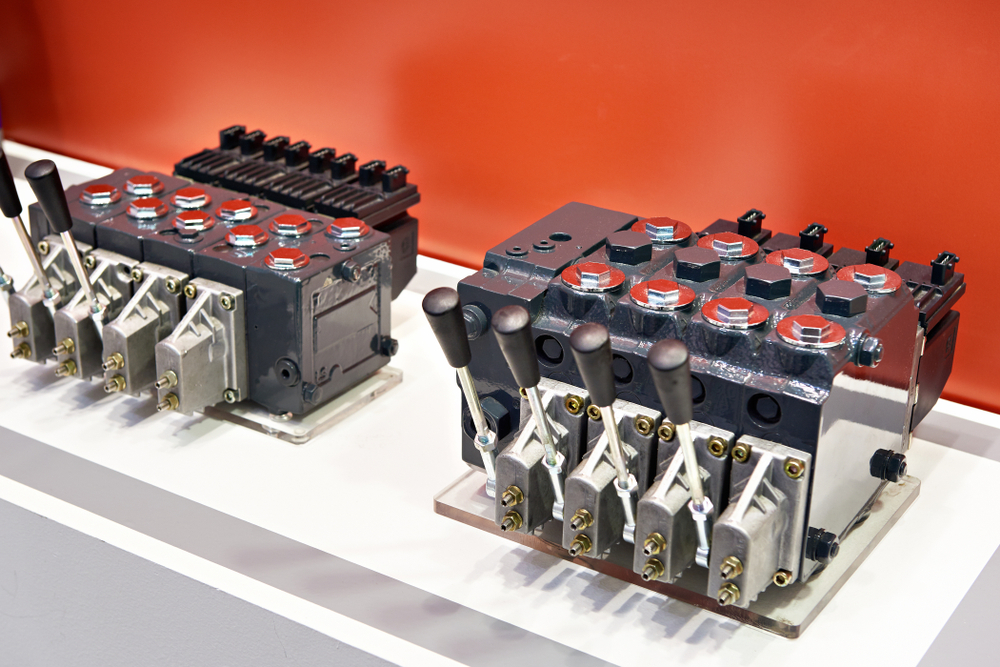
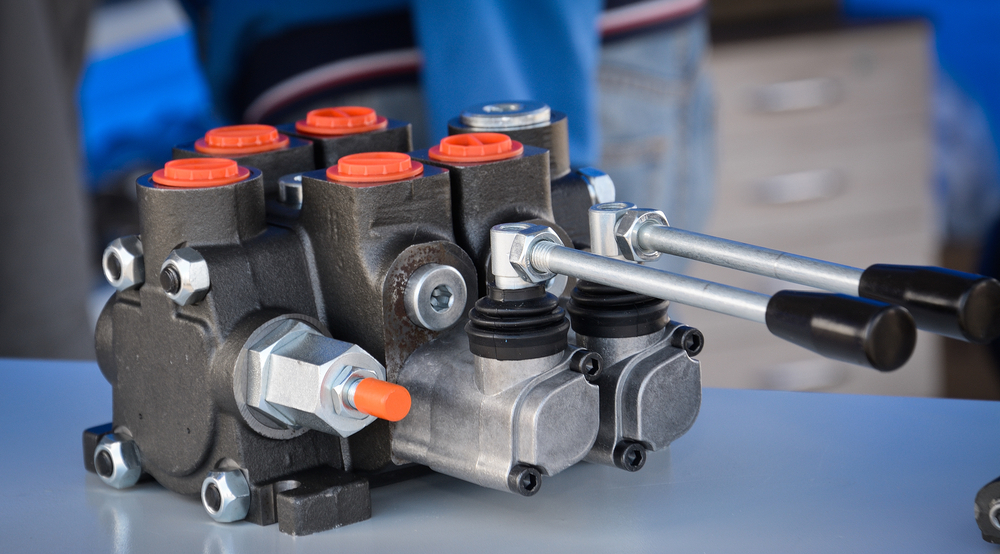
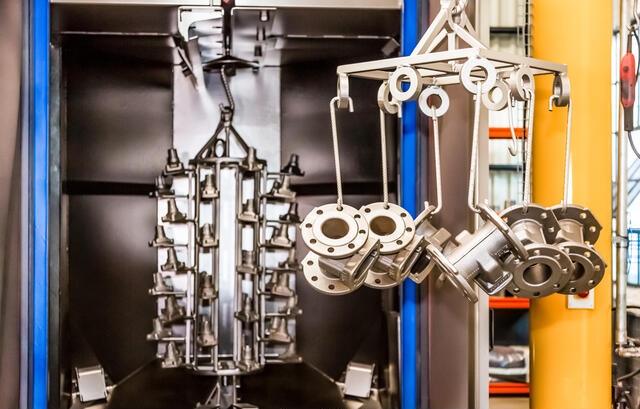
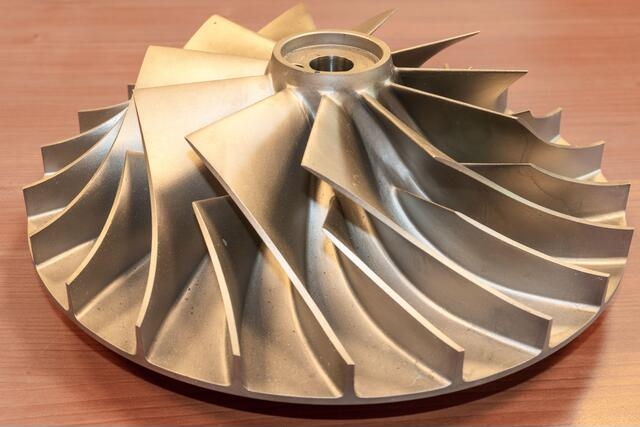
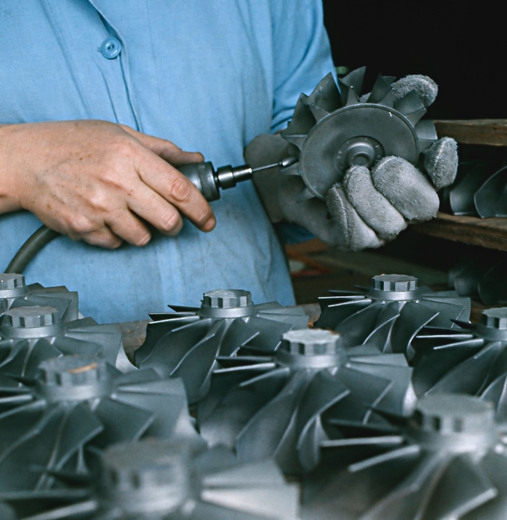
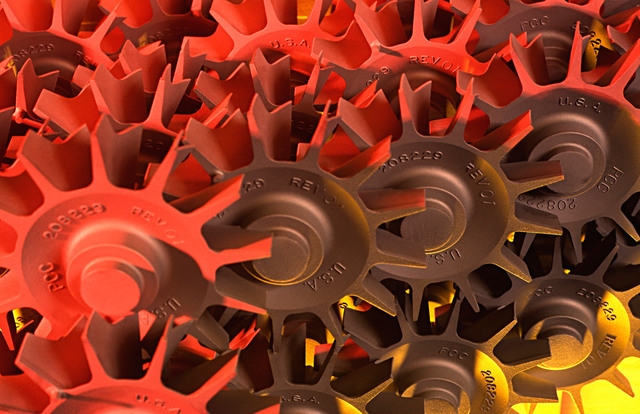
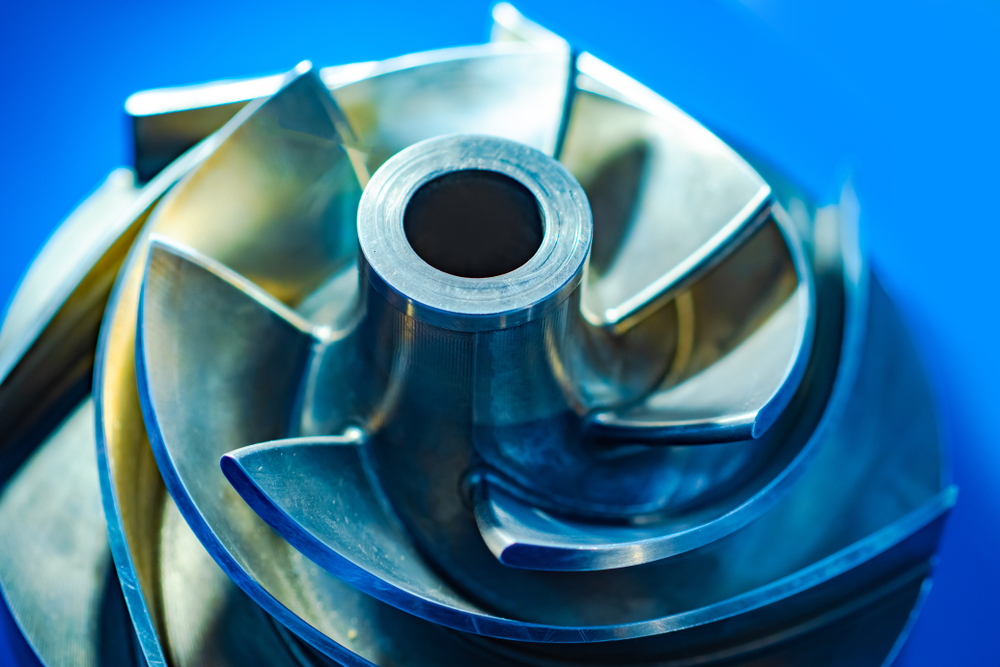
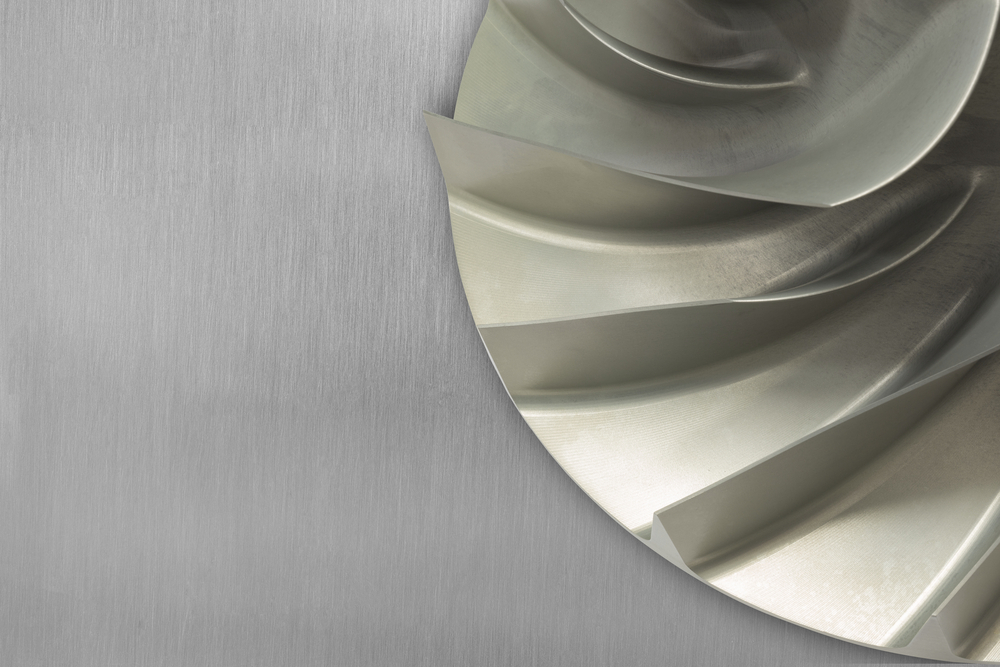
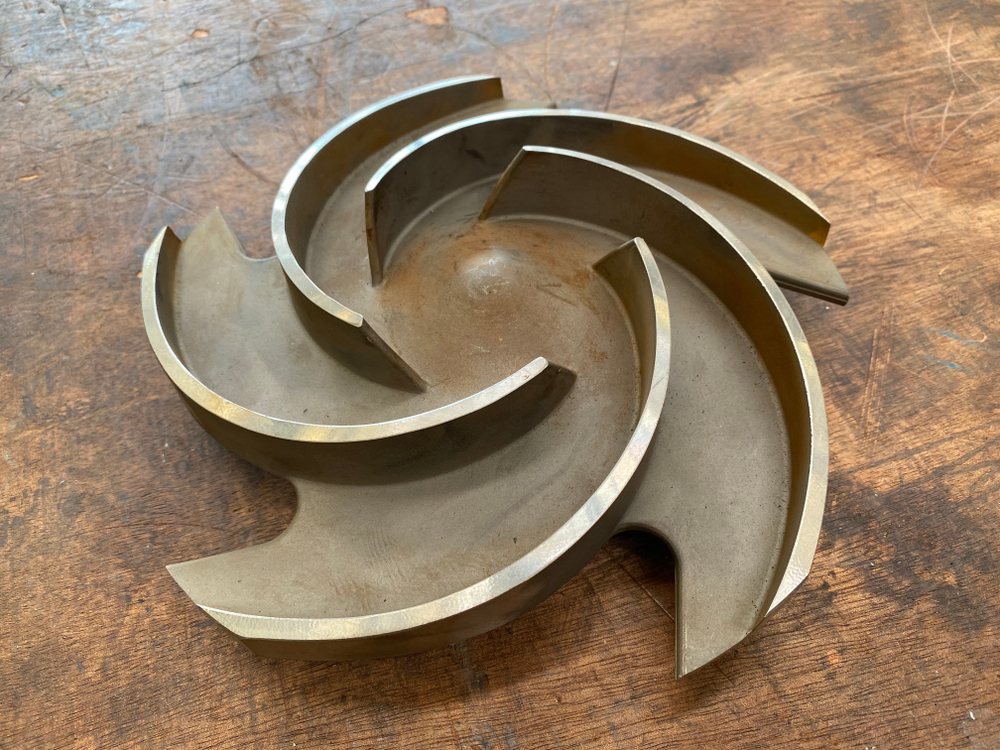
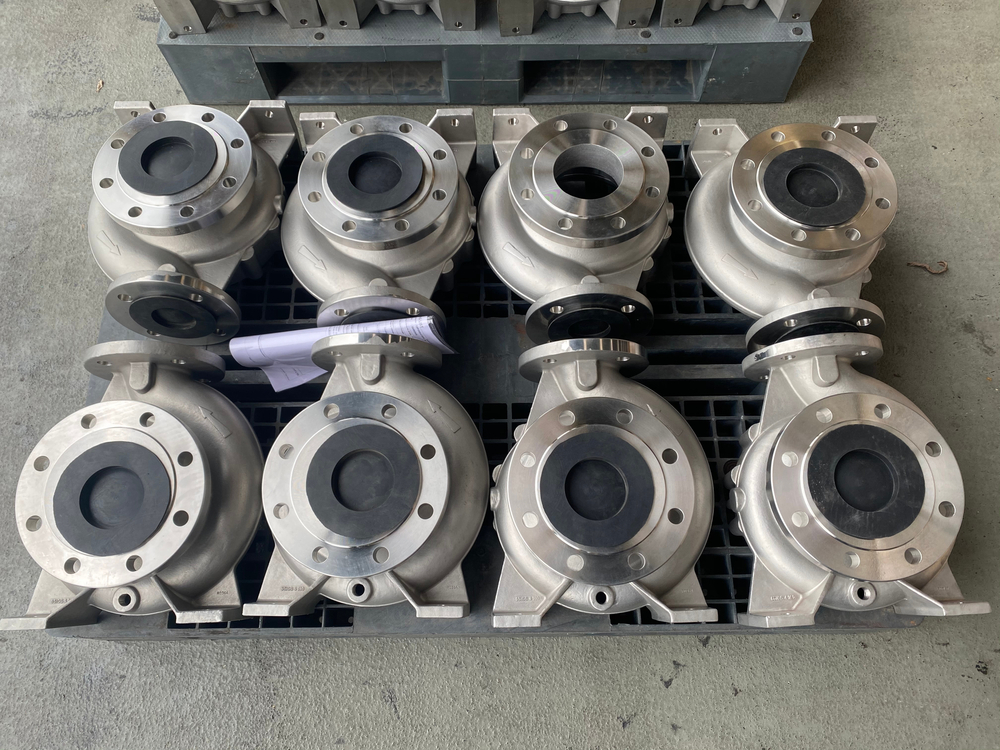
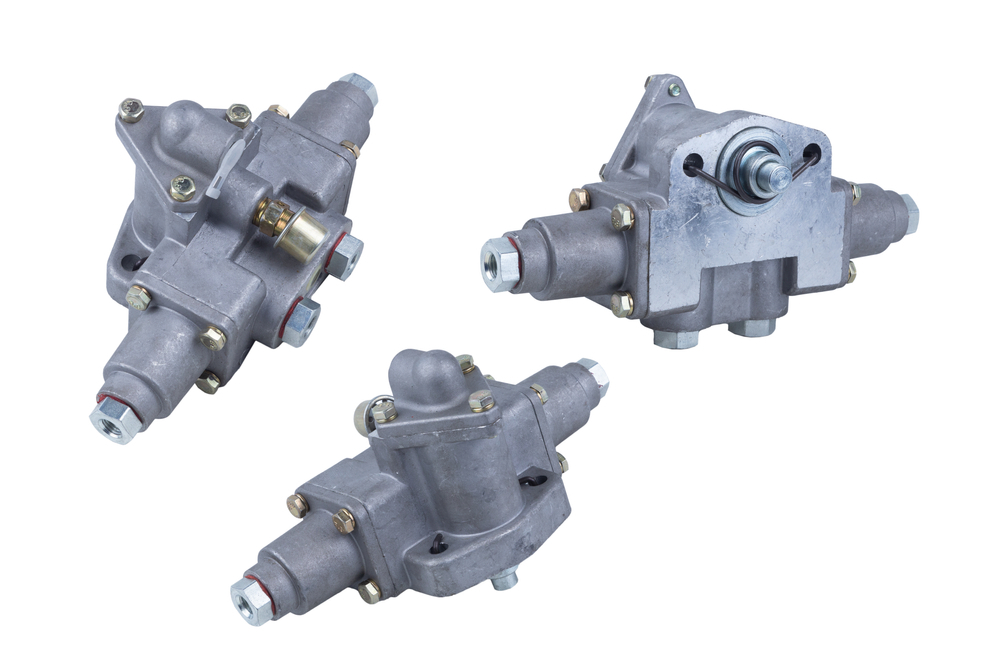
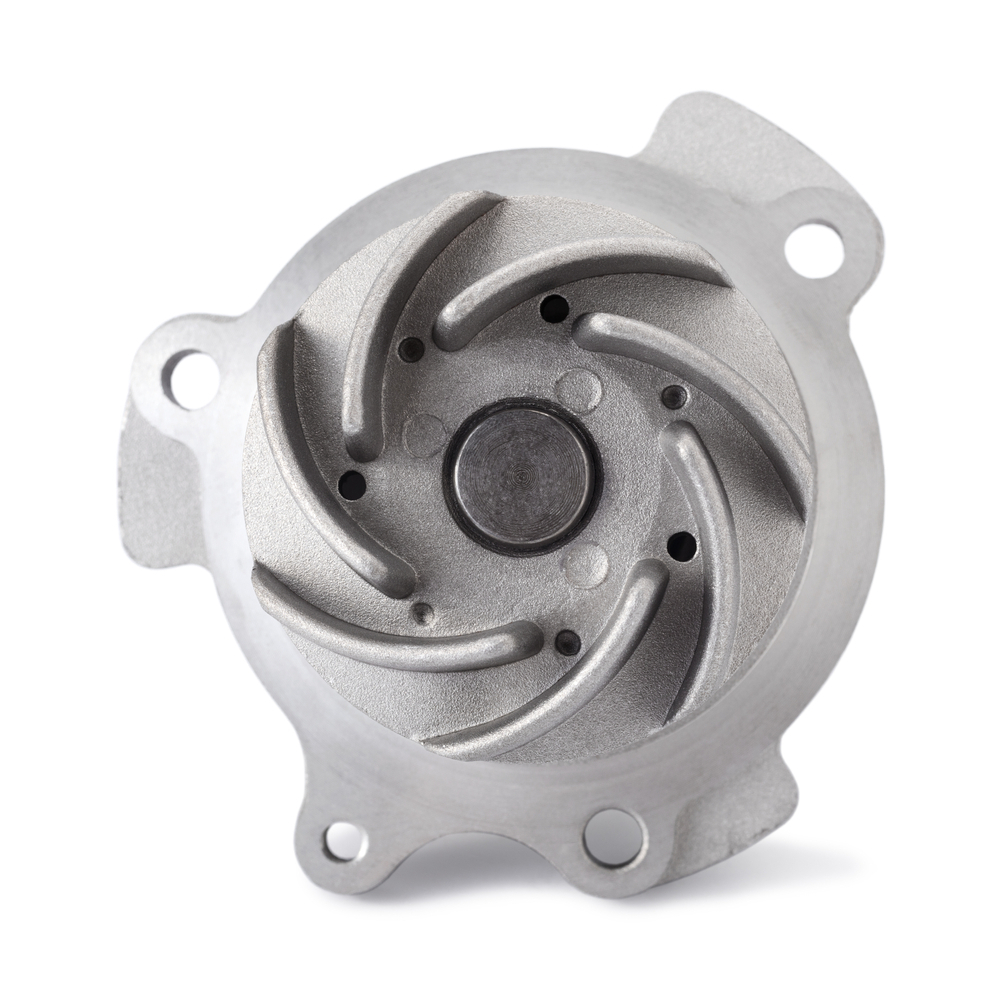
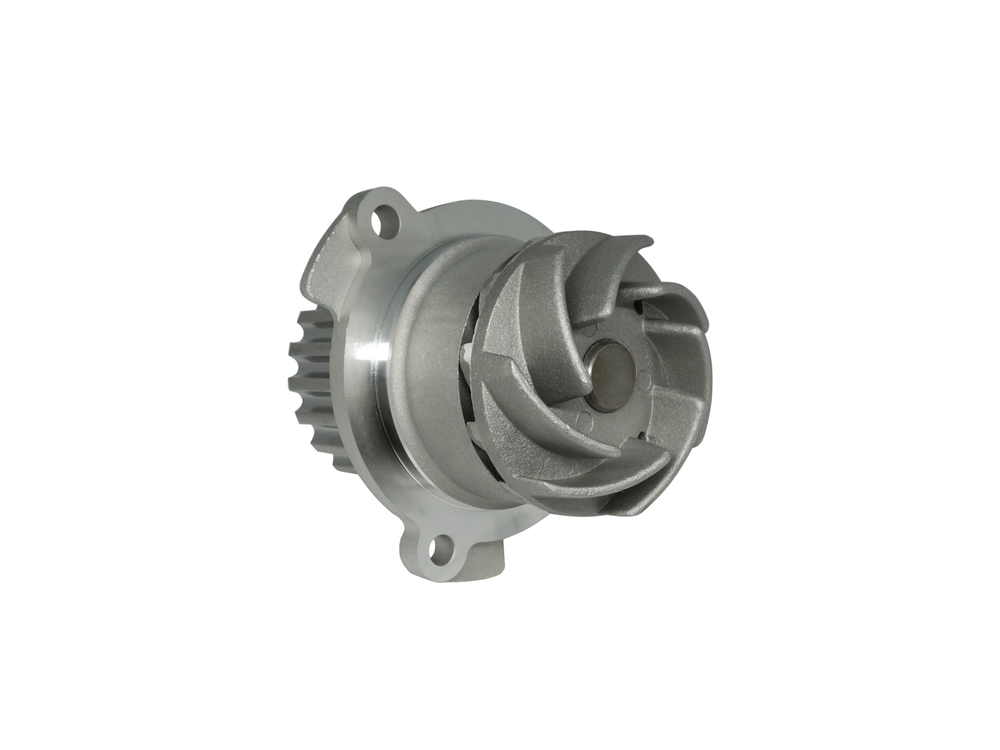
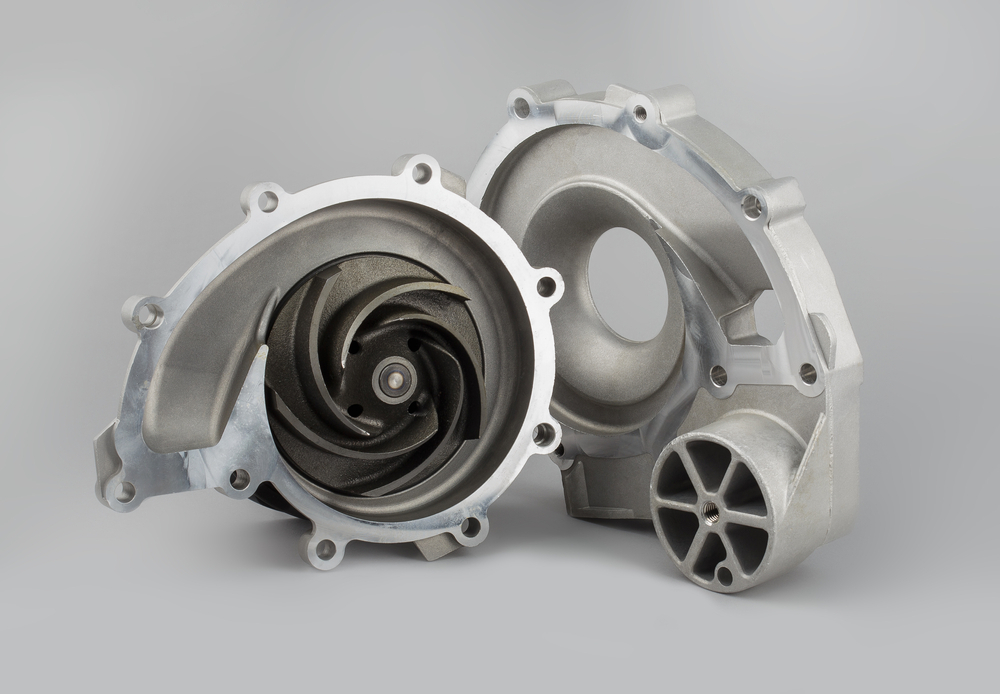
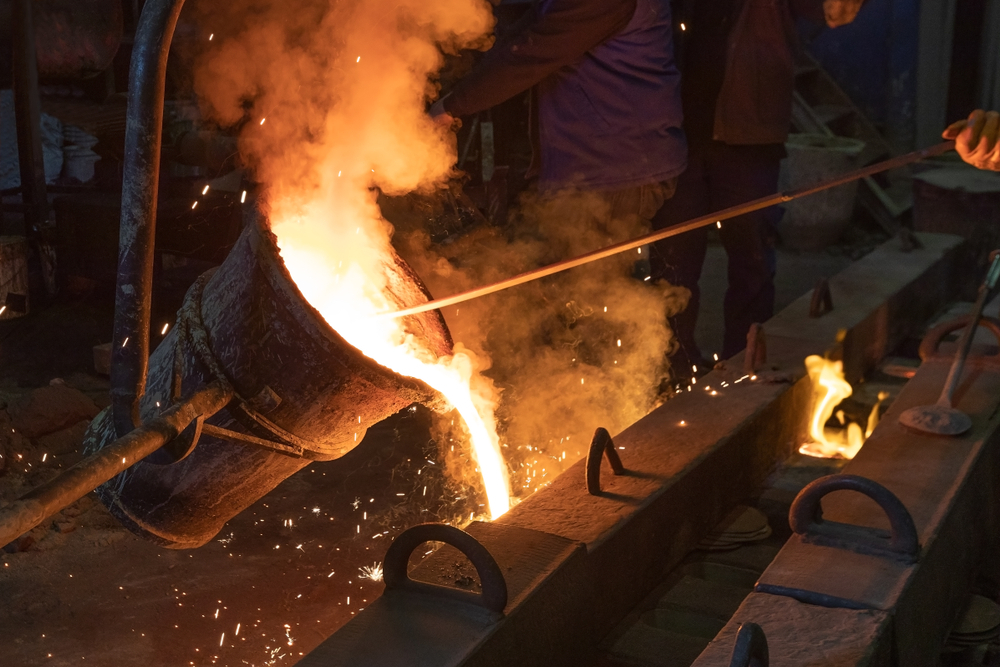
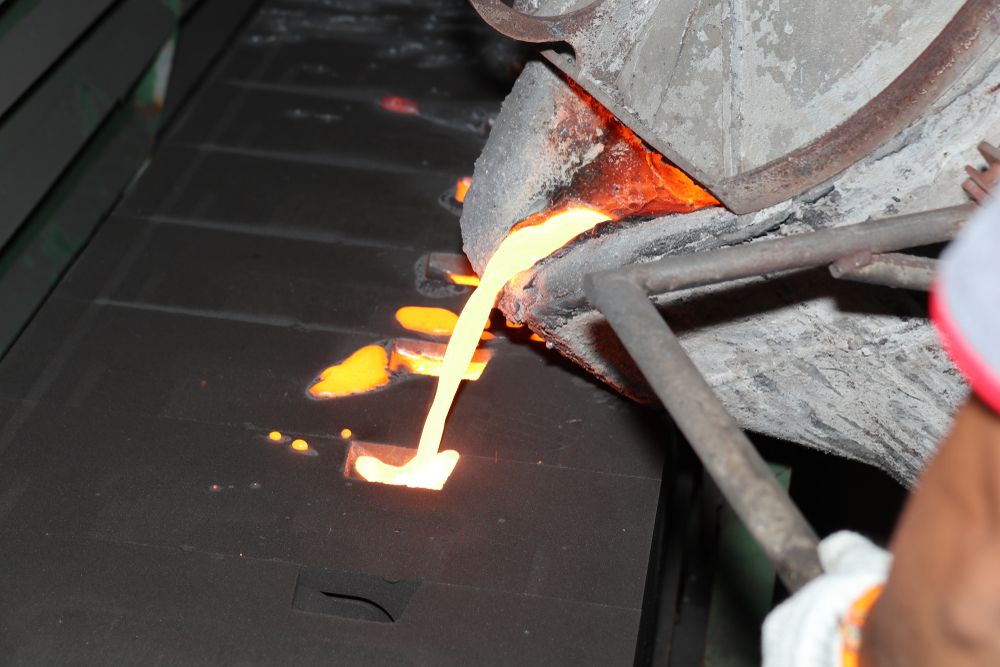
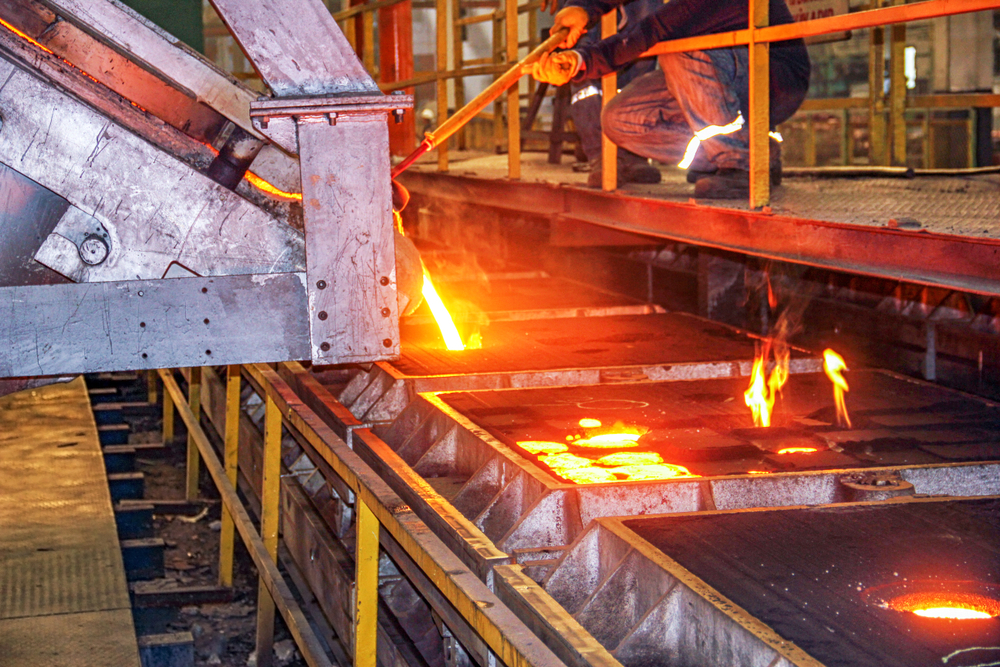
Modulus Metal provides high-precision investment castings (or lost wax castings) pump and valve applications.
For all pump and valve combinations, we provide castings made of stainless steel, ductile iron, bronze, brass and copper. Our casting capabilities for pumps and valves include:
Check valves
Rotary control valves
Gate valves
Plug valves
Precision investment castings are offered by Modulus Metal for a wide range of hydraulic and pneumatic equipment as well as fluid handling applications. The investment casting method gives us a great deal of design flexibility and enables us to produce a variety of pieces. Because of our extensive experience working with big pump manufacturers, we are familiar with the most, if not all, of the ferrous and non-ferrous alloys used in the development and construction of pumps.
We have provided castings for pumps and valves for a variety of industries, including:
Mining
Agriculture
Heavy industry
Construction
Aerospace and a host of other industries.
Most likely, we can pour a pump or valve casting that satisfies all industry and/or application standards, surpasses your expectations, and is made from any typical alloy if you need pump or valve components. We take great satisfaction in producing big numbers of high-quality pump and valve castings that are free of sharp edges and pockets and have the best final product in the market for our customers.
You should choose Modulus Metal as your supplier for precision investment castings for a number of reasons. Our knowledgeable staff takes the following strategy to meet your investment casting demands since they are results-oriented.
Advantages of Modulus Metal in Investment Casting Foundry Business
Modulus Metal has a unique group of highly qualified, extremely experienced toolmakers, engineers, and foundry and production workers on our team.
Cantered on engineering with a metal casting emphasis
Assured consistency in quality
A variety of materials, such as ferrous and non-ferrous alloys
Extensive knowledge of intricate geometries and challenging parts to manufacture
Competent to manage investment castings in high volume
Your tools are built to order in-house.
Investment castings and casting-based assemblies in one place
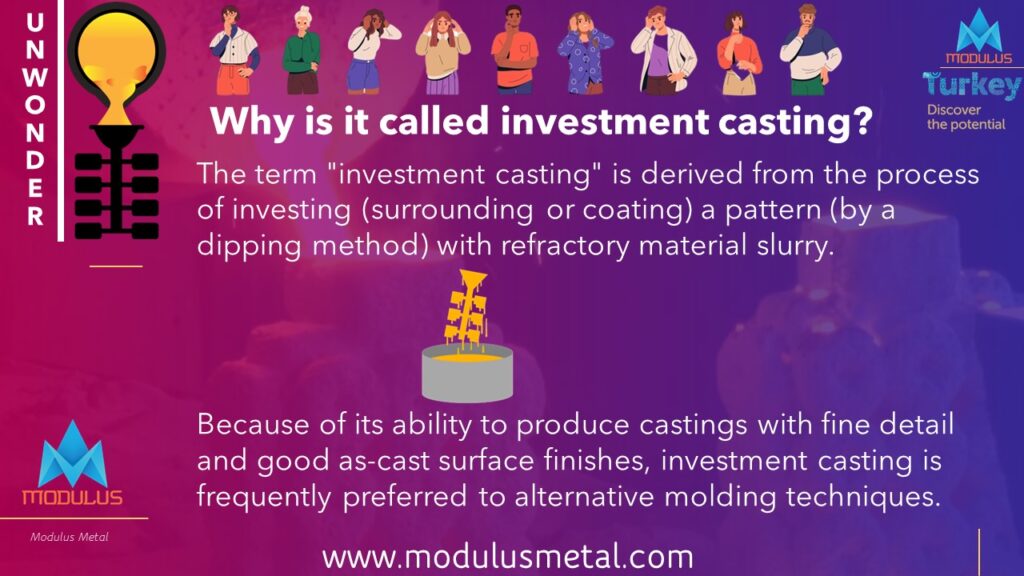
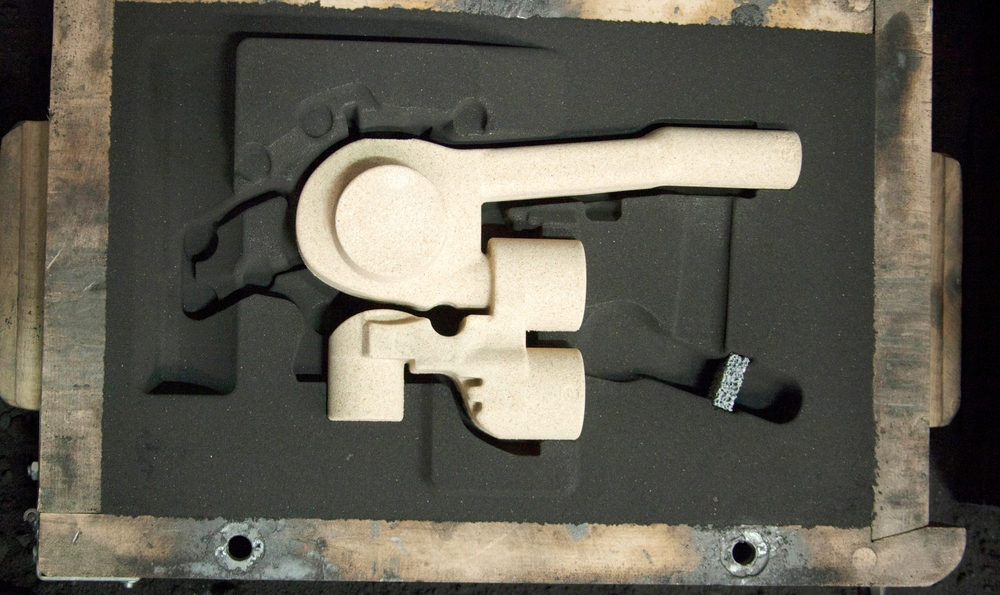
The term “investment casting” is derived from the process of investing (surrounding or coating) a pattern (by a dipping method) with refractory material slurry.
Because of its ability to produce castings with fine detail and good as-cast surface finishes, investment casting is frequently preferred to alternative molding techniques.
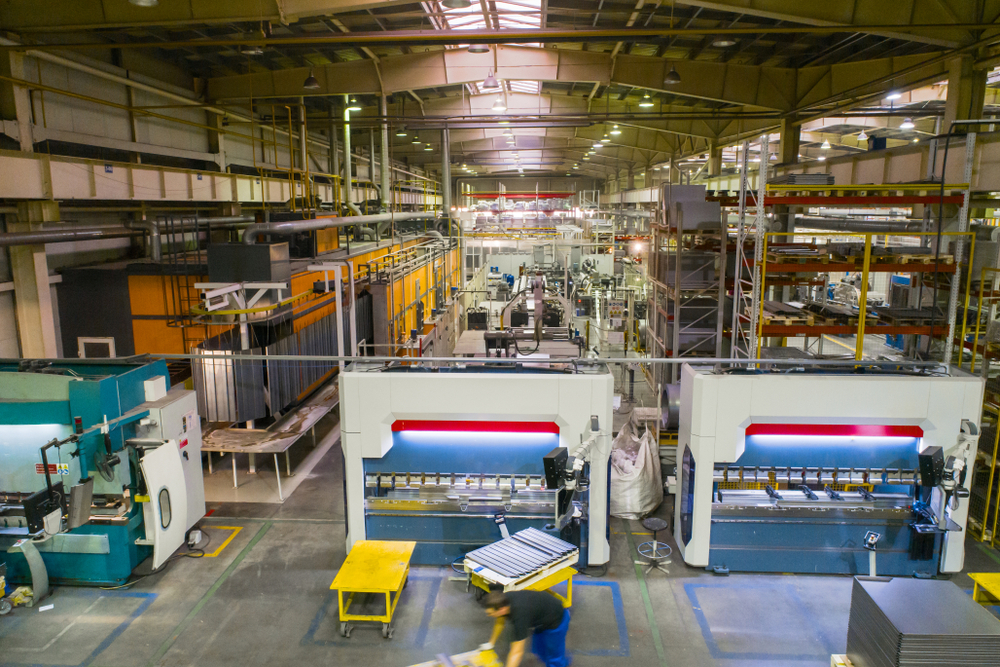
Laser & Plasma Cutting, Press Bending (Press Brake), and Welding Processing Exporter Company | Modulus Metal | TURKEY
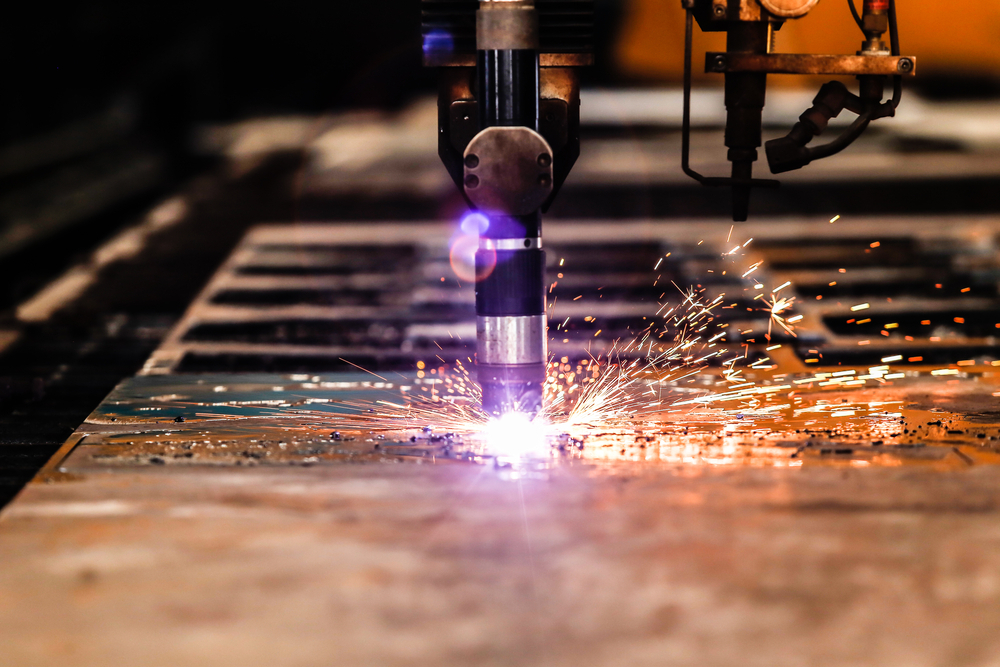
PLAMA CUTTING TYPES OFFERED BY MODULUS METAL
Precision Plasma Systems : To obtain the best cuts on a variety of conductive materials, use a variety of gases including oxygen, nitrogen, or a mixture of hydrogen, argon, and nitrogen. These CNC-controlled devices are made to generate the most accurate cuts possible with plasma.
Plasma Cutting Products Manufacturing Supplier in Turkey-Modulus Metal
Conventional plasma systems: Typical shop air is used as the plasma gas in conventional plasma systems, and the torch’s nozzle determines the form of the arc. Handheld systems fall under the category of traditional plasma systems, as do uses where the tolerance of the materials being cut is smaller. Even though two kinds of plasma cutting are prevalent, the other kind is more exact.
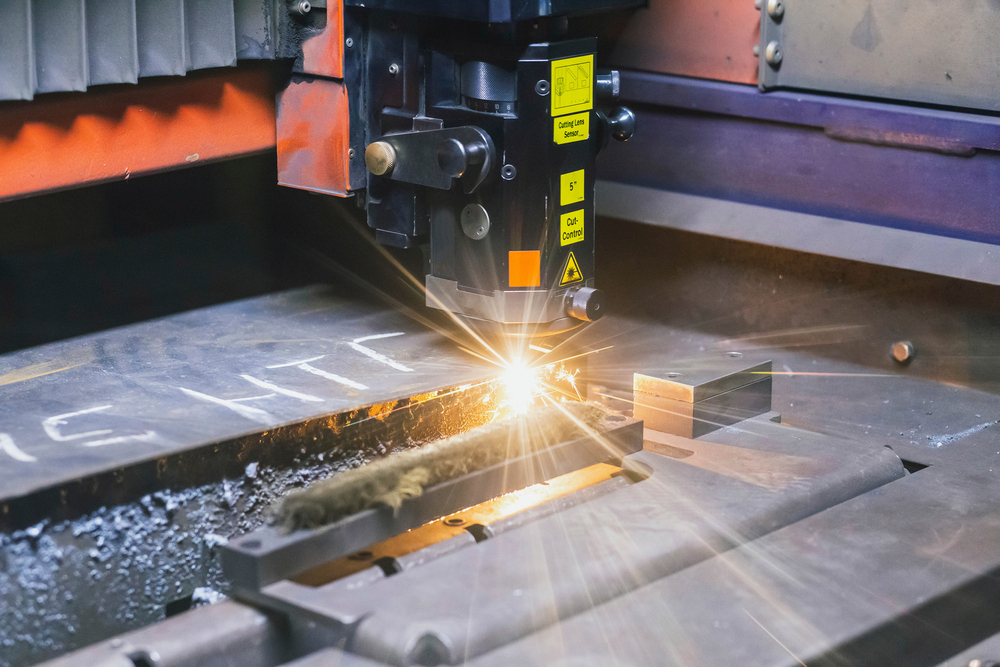
LASER CUTTING TYPES OFFERED BY MODULUS METAL
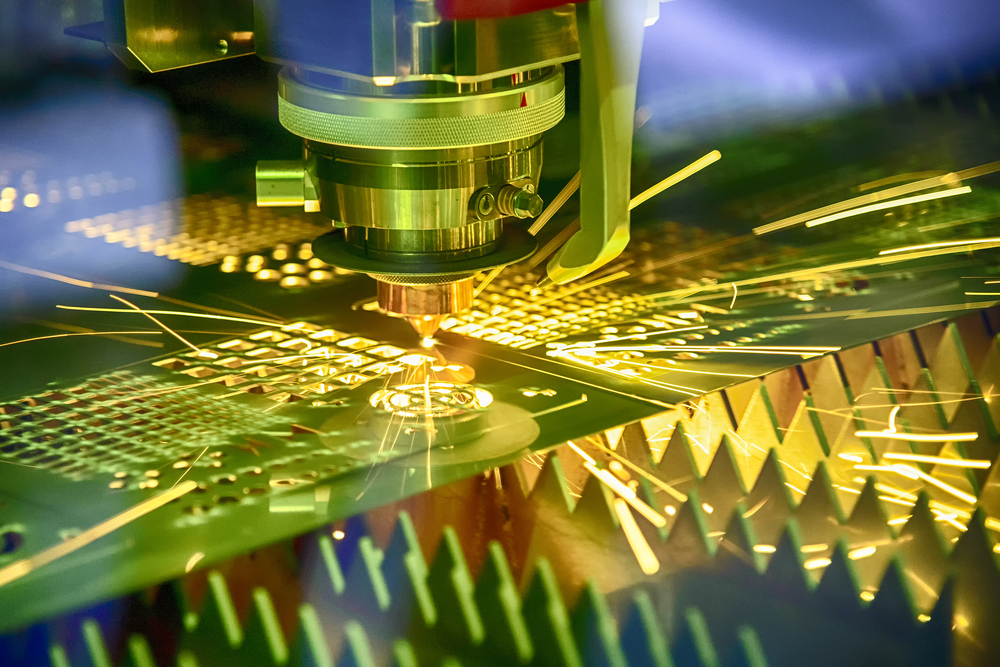
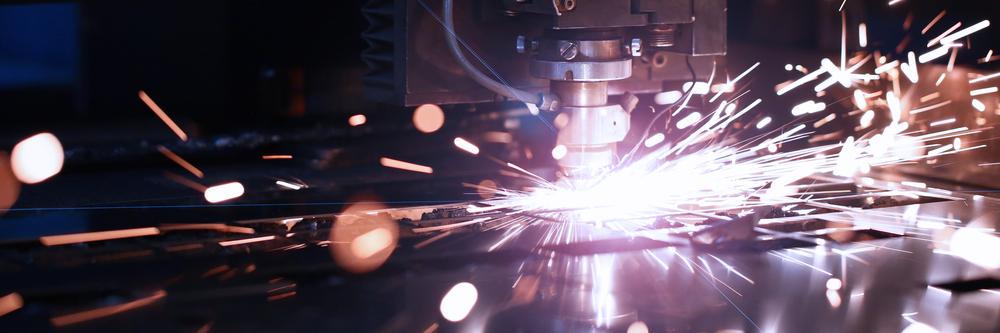
Fusion cutting, flame cutting, and remote cutting are the three main types of laser cutting.
Which Laser Cutting Techniques are Used for Sheet Metal?
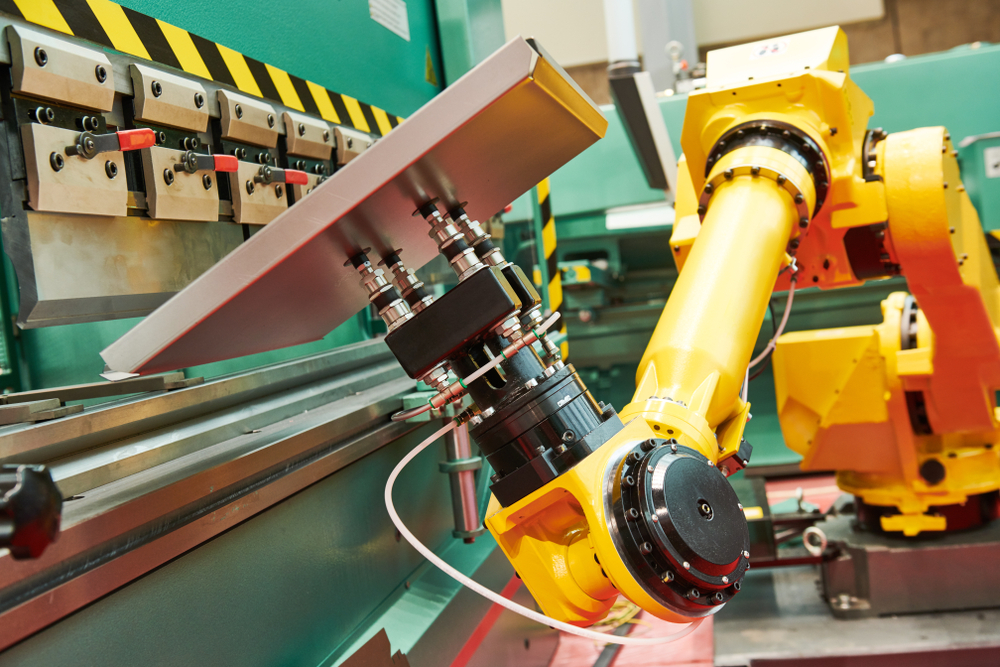
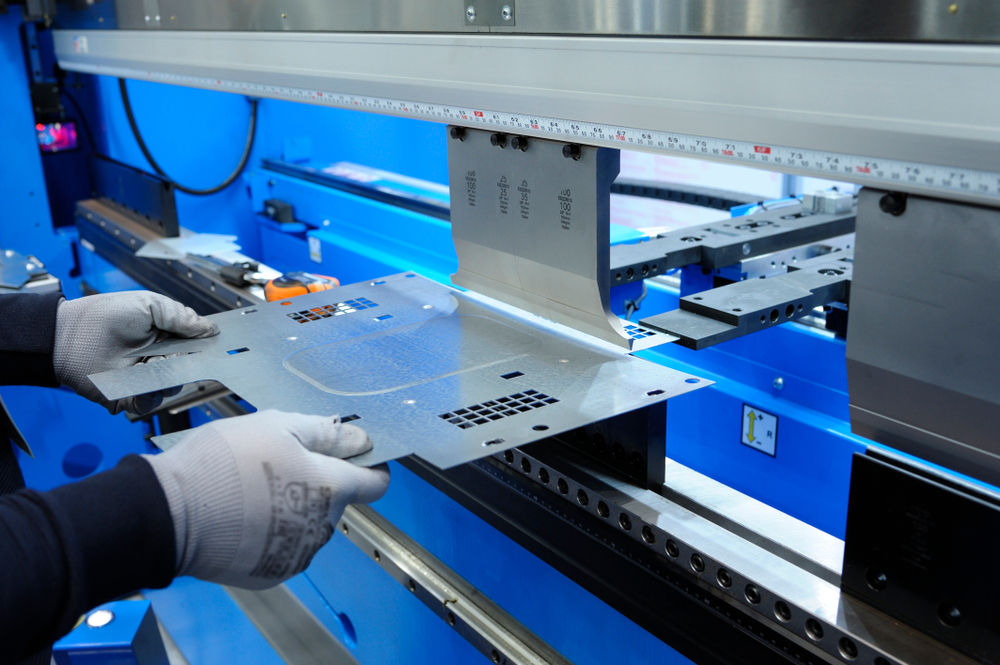
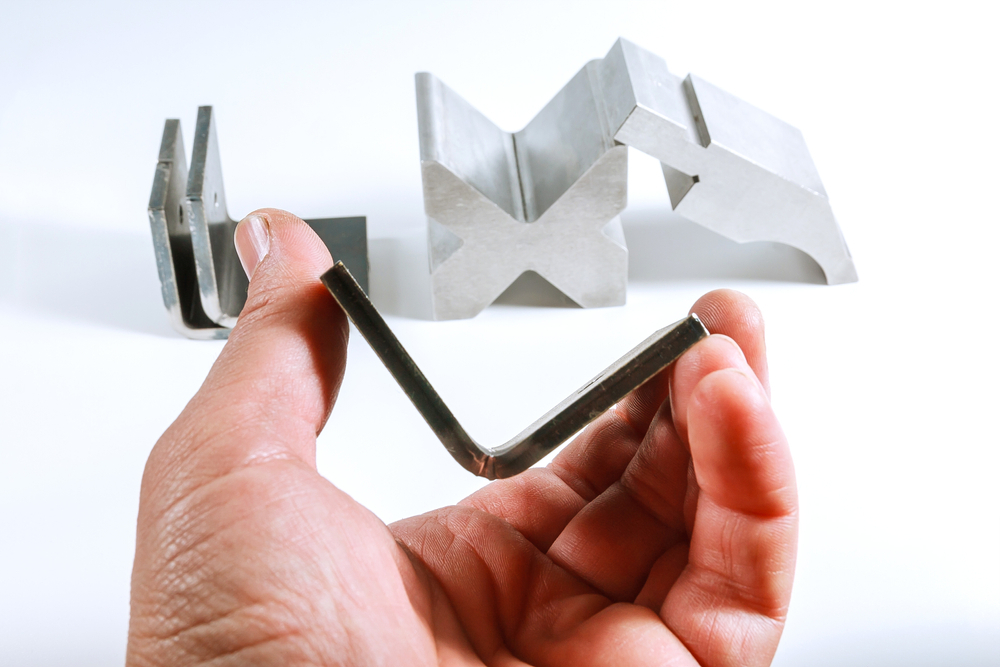
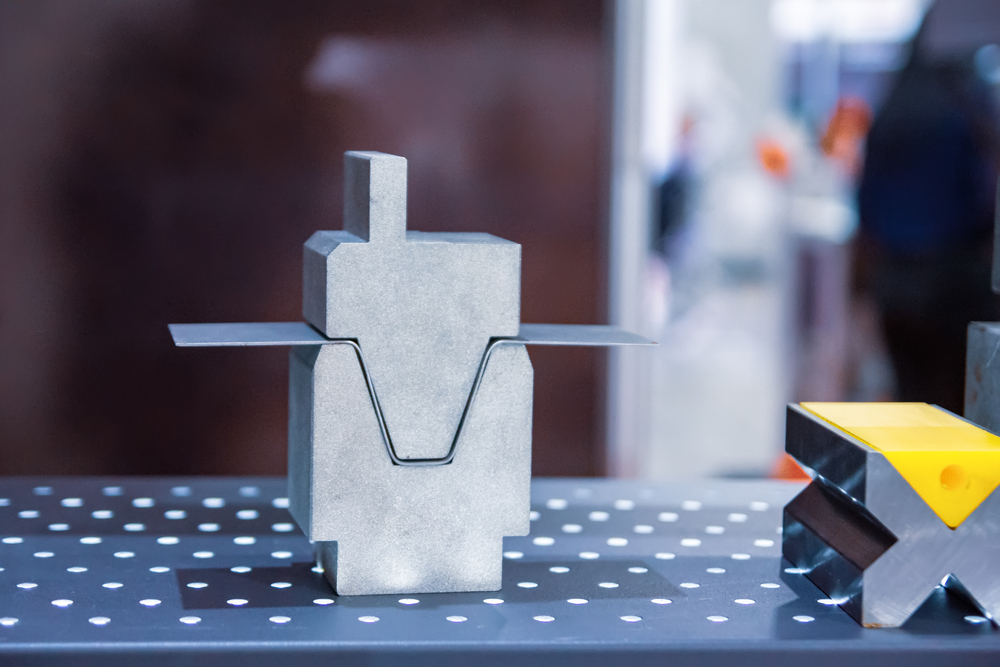
Air Bending: Air bending is a method of bending a workpiece by bringing it into contact with the edge of a die and the tip of a punch. The punch is pushed past the top of the die into a V-shaped opening, without coming into contact with the bottom of the V. The size of the V-shaped opening at the bottom of the die determines the inside radius of the bend. The operator can switch out the bottom dies to make adjustments or change the design. Air bending is not typically done on older mechanical machines.
Bottom bending: Bottom bending involves using die angles that match the intended angle of the workpiece. The workpiece is pressed against the die, and the radius of the punch is forced into the material to create the angle. When the pressure is released, the material will spring back slightly, so it’s important to over-bend the material by a few degrees to account for this springback.
Coining: Coining is a bending method that involves stamping the workpiece between a punch and a die. The right amount of pressure allows the punch tip to penetrate and flow into the material, resulting in an accurate and highly repeatable bend. This method can be used with older machines as well.
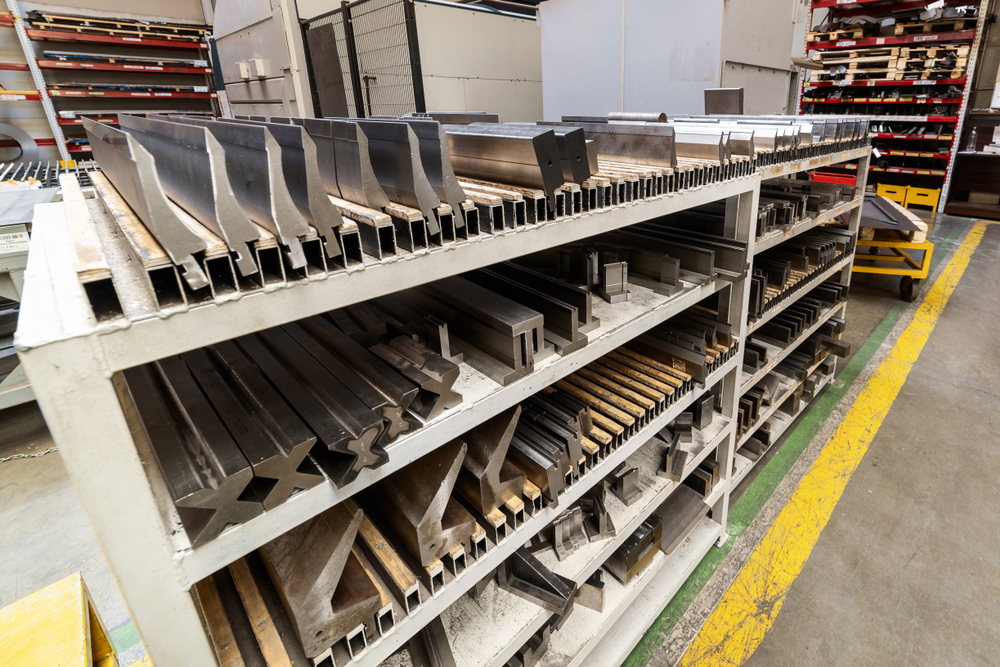
PRESS BRAKE TOOLING TYPES OFFERED BY MODULUS METAL
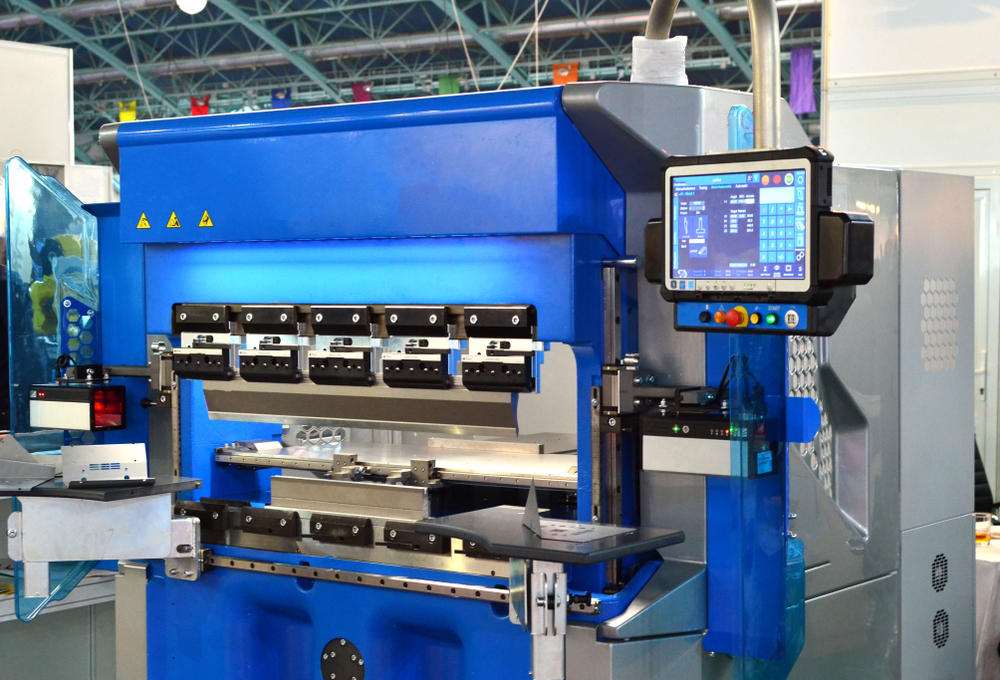
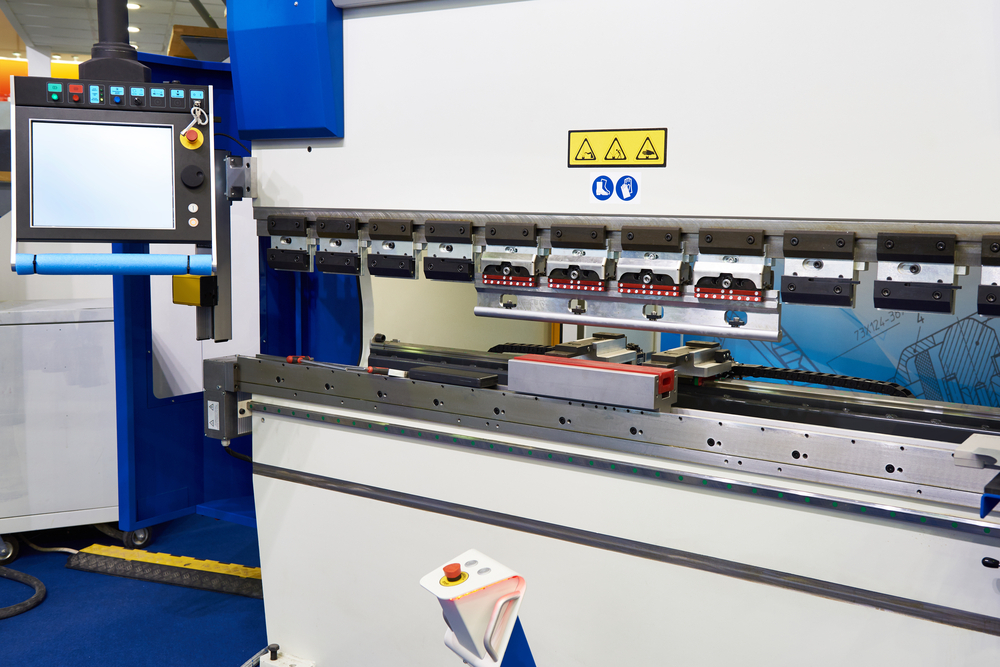
Sheet Metal Press Brake-Bending Press Products Manufacturing Supplier in Turkey-Modulus Metal
It is important to verify that the punch and die tooling meets the manufacturer’s specifications and tolerances every time they are used. The operator is responsible for ensuring that the tooling fits properly and making any necessary adjustments.
There are several types of dies that can be used in press brake operations, including:
Rocker-type dies, which bend metal by moving up and down and side to side
V-dies, which are used to create V-shaped bends
Multiple bend dies, which are designed to form specific shapes and can make several bends in one motion
Acute-angle dies, which are used to create acute, obtuse, and right angles
Seaming dies, which create seams in sheets and tubes
Offset dies, which are punch and die sets that create two angles with a “Z” shape
Curling dies, which are used to curl and coil the edges of sheets
Gooseneck dies, which are used to clear flanges or protrusions on workpieces
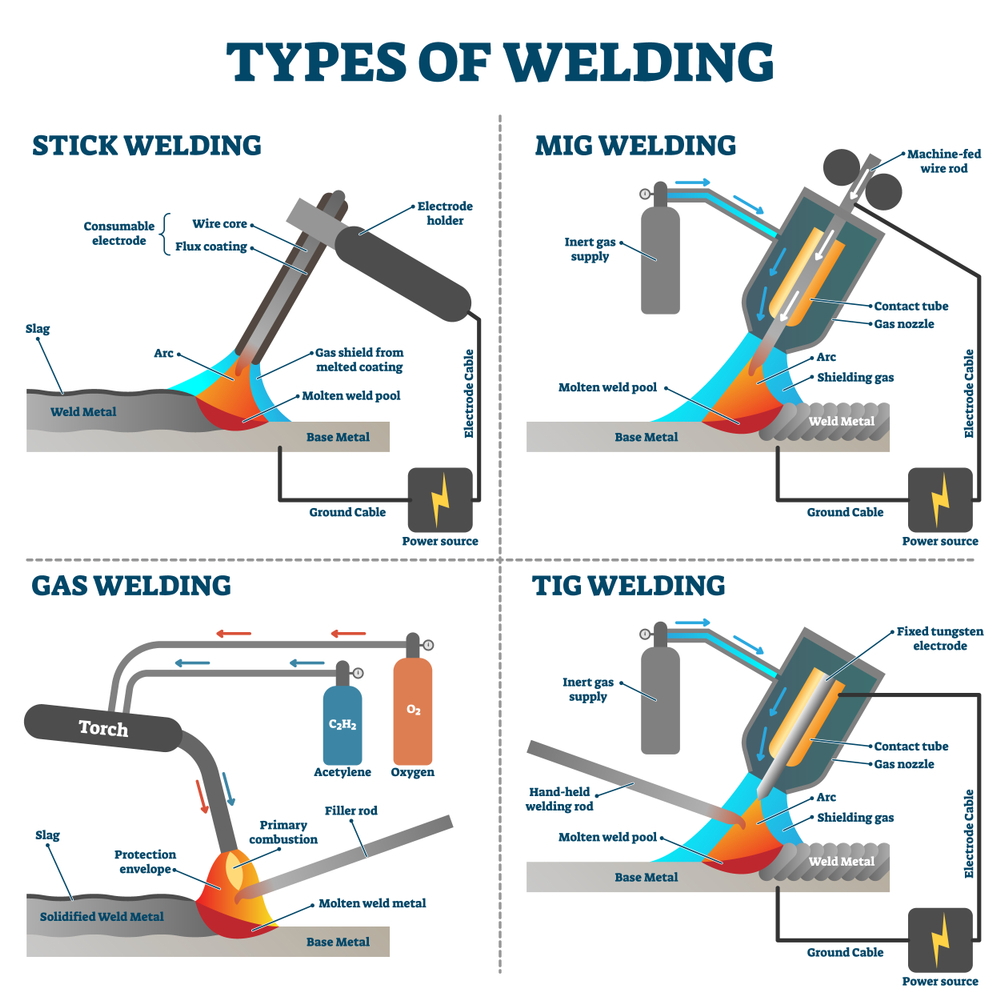
WELDING TYPES OFFERED BY MODULUS METAL
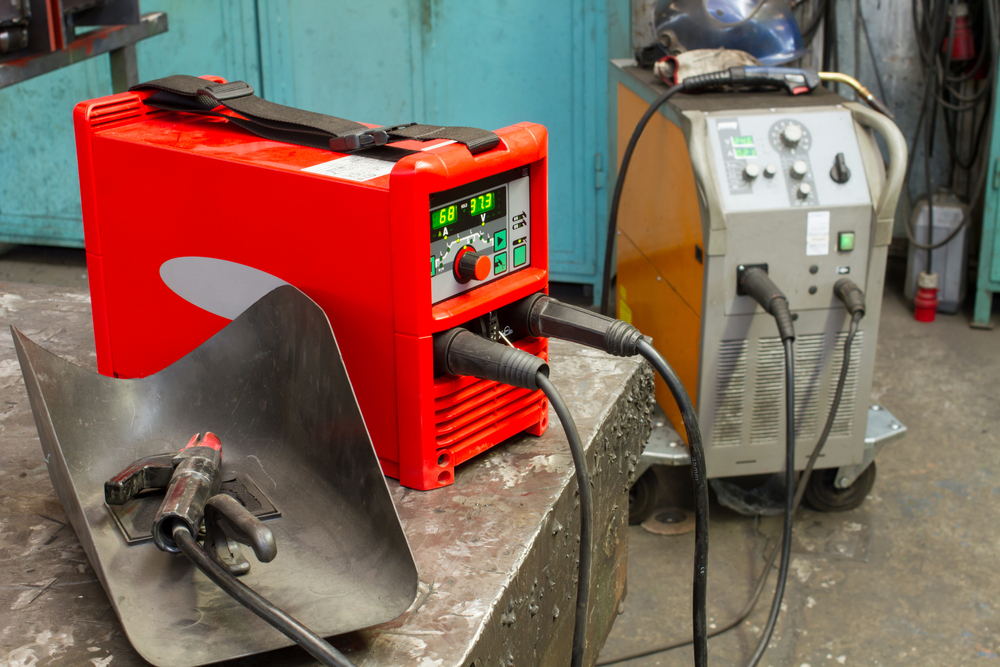
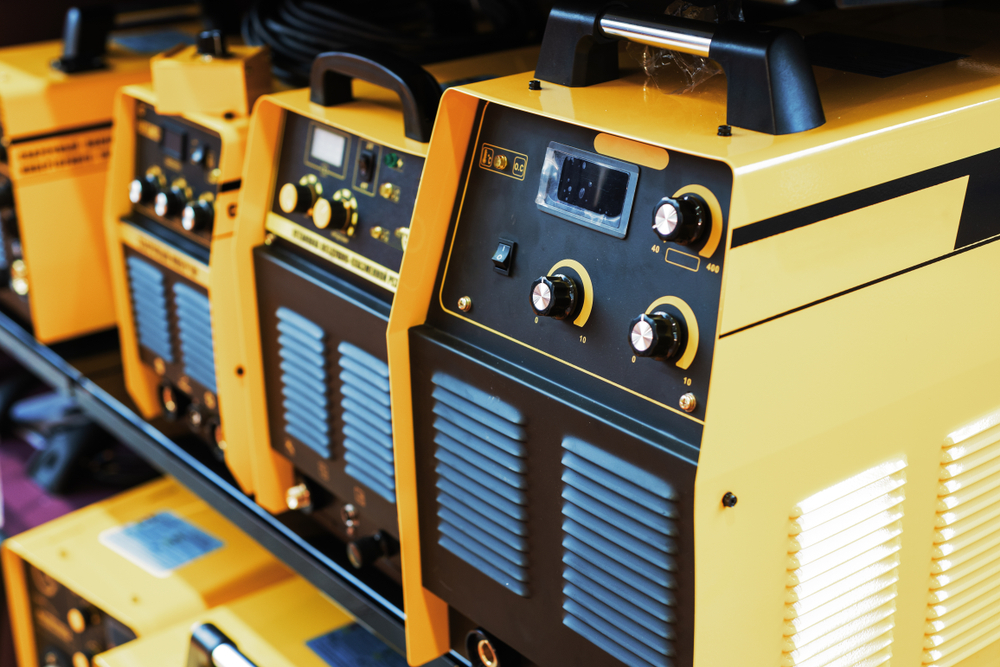
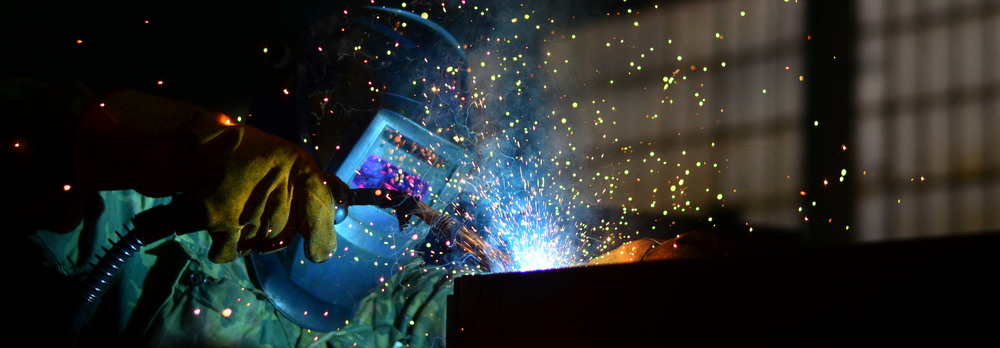
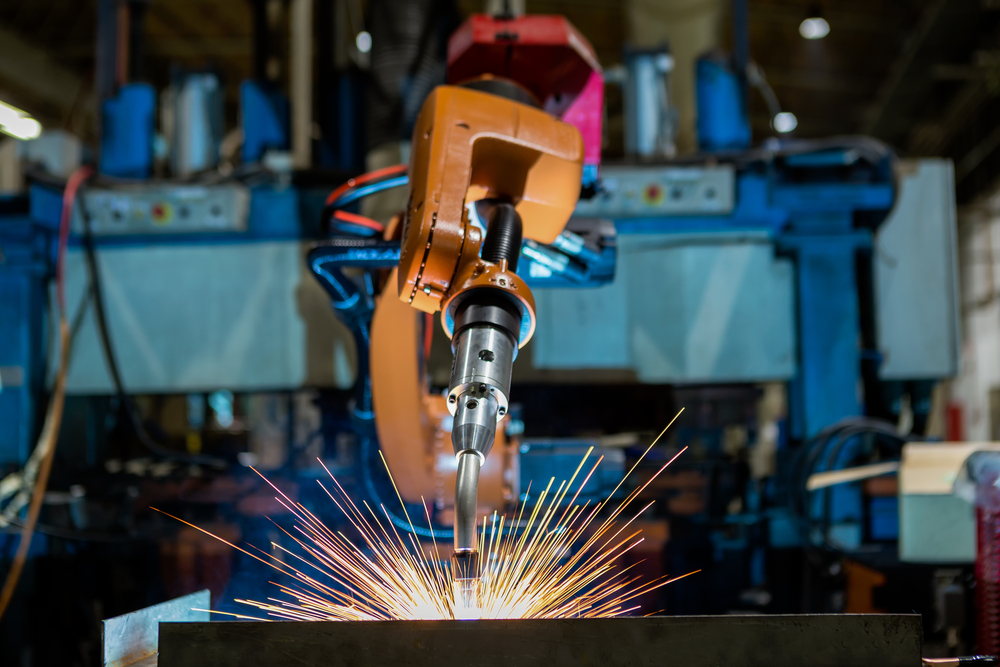
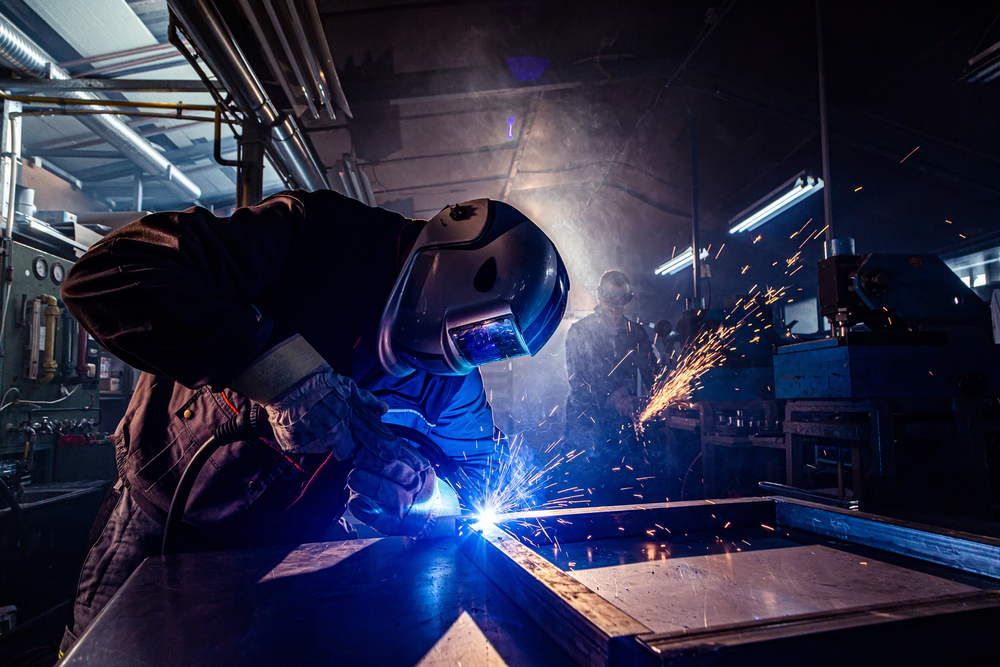
Sheet Metal Welding Products Manufacturing Supplier in Turkey -Modulus Metal
SMAW, or shielded metal arc welding
A flux-coated electrode is used in shielded metal arc welding (SMAW) to produce a weld. Heavy-duty applications frequently use this kind of welding. The earliest type of welding is shielded metal arc welding, which is still employed in many applications today.
GMAW, or gas metal arc welding
A wire electrode is fed through a cannon in gas metal arc welding (GMAW). Because it is effective and creates welds of good quality, this sort of welding is frequently utilized in industries. The GMAW process type is MIG & MAG welding.
TIG, or tungsten inert gas welding (GTAW)
To generate a weld, TIG, also known as tungsten inert gas welding (GTAW), uses an electrode made of non-consumable tungsten. Due of the smooth, accurate welds it creates, TIG welding is frequently employed for smaller jobs.
Flux Cored Arc Welding (FCAW)
Flux-filled tubular wire is used in the Flux Cored Arc Welding (FCAW) method of arc welding. The flux core wire aids in producing high-quality welds by shielding them from contaminants.
Submerged Arc Welding (SAW)
With the help of an electrical arc that is submerged beneath the weld puddle’s surface, Submerged Arc Welding (SAW) joins metals together. SAW is an extremely flexible welding technique that can be used to join a wide variety of metal kinds. In heavy-duty applications where great strength and toughness are necessary, the technique is frequently used.
The equivalent carbon content approach is used to calculate the characteristics of ferrous materials, such as steel and cast iron, that contain more than just carbon as an alloyant. This method converts the percentage of other alloying elements into a comparable carbon percentage, using a better-understood relationship between carbon and iron. This approach is commonly used in welding, heat treating, and casting cast iron.
WHAT MAKES CARBON EQUIVALENT IMPORTANT?
When two pieces of metal will be joined together via welding, such as when joining two pipes, it is crucial to understand the carbon equivalent, or CE value. Environmental factors can cause pipes to move or expand and contract. The possibility of the weld spot being a weak place is increased if one pipe is stronger than the other. Two pipes that have been joined by welding should ideally function as a single unit. The weld will either sheer or fracture if the two pieces of metal have too different of characteristics to function as a single unit.
Steel
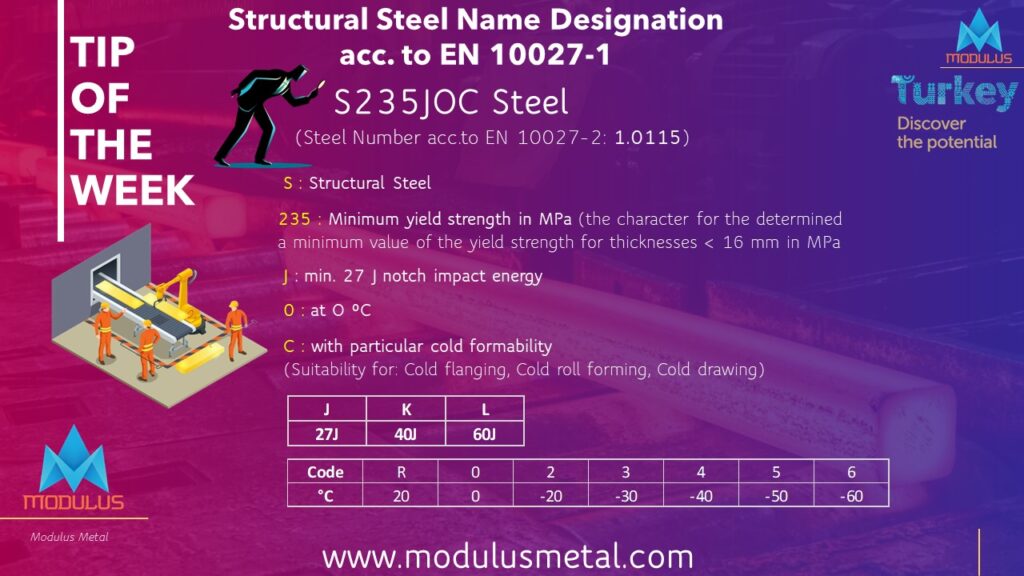
During welding, equivalent carbon content (C.E.) is used to determine how various alloying elements affect the hardness of the steel being welded. Since hydrogen-induced cold cracking is the most frequent weld flaw in steel, this is directly tied to it, which is why it’s the most popular method for assessing weldability. Higher carbon content and other alloying elements including manganese, chromium, silicon, molybdenum, vanadium, copper, and nickel have the tendency to increase hardness while lowering weldability. However, as each of these elements has a different tendency to have an impact on the steel’s hardness and weldability, it is required to compare the hardness of two alloys created from various alloying elements in order to determine the difference in hardness between them.
According to the AWS, there is a risk of cracking in the heat-affected zone (HAZ) on flame cut edges and welds for equivalent carbon contents more than 0.40%. Although CE is rarely used in structural engineering standards, they do set a maximum percentage for several alloying elements. This custom has been around since before the CE idea even existed. This has created problems because some high strength steels are now being used that have brittle failures and a CE higher than 0.50%.
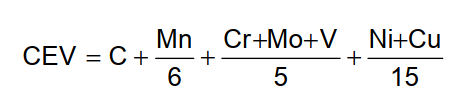
For determining the carbon equivalent value the following IIW (International Institute for Welding) formula shall be used:
Carbon equivalent value IIW (International Institute for Welding) formula
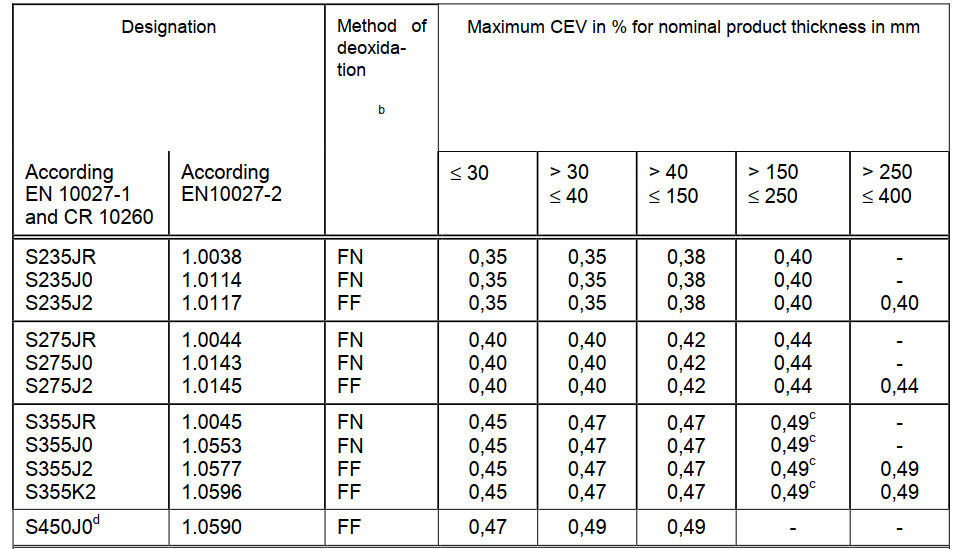
Maximum CEV based on the ladle analysis :
Maximum CEV based on the ladle analysis
b FN = rimming steels not permitted; FF = fully killed steel c For long products a maximum CEV of 0,54 applies. d Applicable for long products only.
Cast Iron
To clarify how alloying materials would affect the heat treatment and casting behavior for cast iron, the equivalent carbon content (CE) idea is applied. Because it provides an approximation of the balance between austenite and graphite in the finished structure, it is employed as a predictor of strength in cast irons. There are several formulas available to calculate the CE in cast irons, which contain an increasing number of elements.
The alloy’s hypoeutectic, eutectic, or hypereutectic nature is then determined using this CE; for cast irons, the eutectic is 4.3% carbon. This is helpful for predicting the final grain structure when casting cast iron; for instance, a hypereutectic cast iron typically has a coarse grain structure and produces large flakes of kish graphite.
Additionally, as the CE rises, there is less shrinking. Various CE samples are evaluated to determine the empirical relationship between CE and hardness during the heat treatment of cast iron.
The formula of the Carbon Equivalent Value for Cast Iron:
Modulus Metal | Supplier Company | Foundry | Sand Casting | Investment Casting | Machining | Products | in TURKEY
Base Fe (Iron) : Fe51-60 / Ni34-36 / Si4-6 / Cr1.5-2.5 / Mn0.5-1.5
Impurities: C<2, Cu<0.5, P<0.08
Elements Symbol
Elements Name
Min
Max
%
C
(carbon)
0
2
%
Cr
(chromium)
1.5
2.5
%
Cu
(copper)
0
0.5
%
Fe
(iron)
51.4
60
%
Mn
(manganese)
0.5
1.5
%
Ni
(nickel)
34
36
%
P
(phosphorus)
0
0.08
%
Si
(silicon)
4
6
%
EN GJSA XNiSiCr35 5 2 Cast Iron Chemical Composition (austenitic, nodular)
Common Uses:
Parts for gas turbines, such as housings and support rings, as well as turbo-charger housings and exhaust gas manifolds. Die blocks for pressing titanium.
Similar-composition standards with EN EN GJSA XNiSiCr35 5 2
USA (ASTM): A439, Type D-5S
Germany (DIN): GGG-NiSiCr 35 5 2
Similar-composition standards with EN EN GJSA XNiSiCr35 5 2
Modulus Metal | Supplier Company | Foundry | Sand Casting | Investment Casting | Machining | Products | in TURKEY
Base Fe (Iron) : Fe67-79 / Ni18-22 / Cr1-3.5 / Si1.5-2.4 / Mn0.5-1.5 / Nb0.12-0.2
Impurities: C<3, Cu<0.5, P<0.08
Elements Symbol
Elements Name
Min
Max
%
C
(carbon)
0
3
%
Cr
(chromium)
1
3.5
%
Cu
(copper)
0
0.5
%
Fe
(iron)
66.8
78.9
%
Mn
(manganese)
0.5
1.5
%
Nb
(niobium)
0.12
0.2
%
Ni
(nickel)
18
22
%
P
(phosphorus)
0
0.08
%
Si
(silicon)
1.5
2.4
%
EN GJSA XNiCrNb20 2 Cast Iron Chemical Composition (austenitic, nodular)
Common Uses:
Equipment such as pumps, valves, compressors, bushings, and turbo-supercharger housings made of exhaust gas manifolds that can function at high temperatures up to 1000 K would benefit from superior weldability in their design and construction. These types of components are often used in applications where strong and reliable welds are important.
Similar-composition standards with EN GJSA XNiCrNb20 2
Germany: GGG-NiCrNb202 to DIN 1694
Japan: FCDA-NiCrNb 20 2 to JIS G5510
UK: S-2W to BS 3468
Similar-composition standards with EN GJSA XNiCrNb20 2