Stainless steel is classified as such when it contains a minimum of 10.5% chromium, providing it with robust corrosion resistance attributed to the formation of a protective iron chromium oxide layer. These steels fall into five main categories: austenitic, duplex, ferritic, martensitic, and precipitation hardened. The first four categories are defined by their microstructures, while precipitation-hardened steels gain strength through heat treatment, exhibiting the highest strength among stainless steels with corrosion resistance superior to or equal to martensitic variants.
Duplex steels, though capable of achieving unparalleled strength through cold working, exhibit lower elongation. Generally, austenitics are the most expensive, ferritics are the most economical, and martensitics fall in between.
Strengths
Stainless steels boast excellent corrosion and oxidation resistance, offering a diverse range of mechanical properties. They exhibit high creep and rupture strengths, maintain an attractive appearance with minimal upkeep, and do not become brittle at low temperatures.
Limitations
While stainless steels offer exceptional properties, they come at a higher cost. Low thermal conductivity can lead to challenges such as distortion and residual stress during thermal treatments. Additionally, certain grades are prone to local corrosion and brittleness under specific conditions.
Designation
Austenitic alloys are found in the 200 and 300 series, with the former containing Cr, Ni, Mn, and N, and the latter featuring Cr, Mn, and Ni. The 400 series encompasses ferritic and martensitic steels, characterized by the presence of Cr and possibly C. The 500 series is martensitic, with low levels of Cr (<12%) and potentially some C.
Typical Uses
Stainless steel finds application in various industries, including railway cars, trucks, trailers, food-processing equipment, sinks, stoves, cooking utensils, cutlery, flatware, scissors, architectural metalwork, jet-engine parts, chemical-processing equipment, surgical tools, furnace and boiler components, seawater applications, high-temperature environments, processing of corrosive liquids, and structural applications in corrosive environments, such as pulp and paper manufacturing.
Compositional summary
Fe/<0.25C/10.5-30Cr/<15Ni/<10Mn/<5Mo with varying additions of Si, P, S
Material family
Metal (ferrous)
Base material
Fe (Iron)
Impact of Composition
Steel with low carbon content and 4-6% chromium enhancements exhibit enhanced resistance to corrosion, attributed to the development of an iron chromium oxide layer on the surface. When the chromium concentration surpasses 12%, the protective oxide has the ability to self-heal when damaged, classifying these as genuine stainless steels. Elevated temperatures may lead to a local dip in chromium levels as chromium carbides form; this issue can be mitigated by maintaining low carbon content or binding carbon with stabilizing elements like Ti or Nb. As the chromium content increases, formability decreases. Furthermore, the addition of S and Se enhances machinability.
Processing properties
Feedstocks & production:
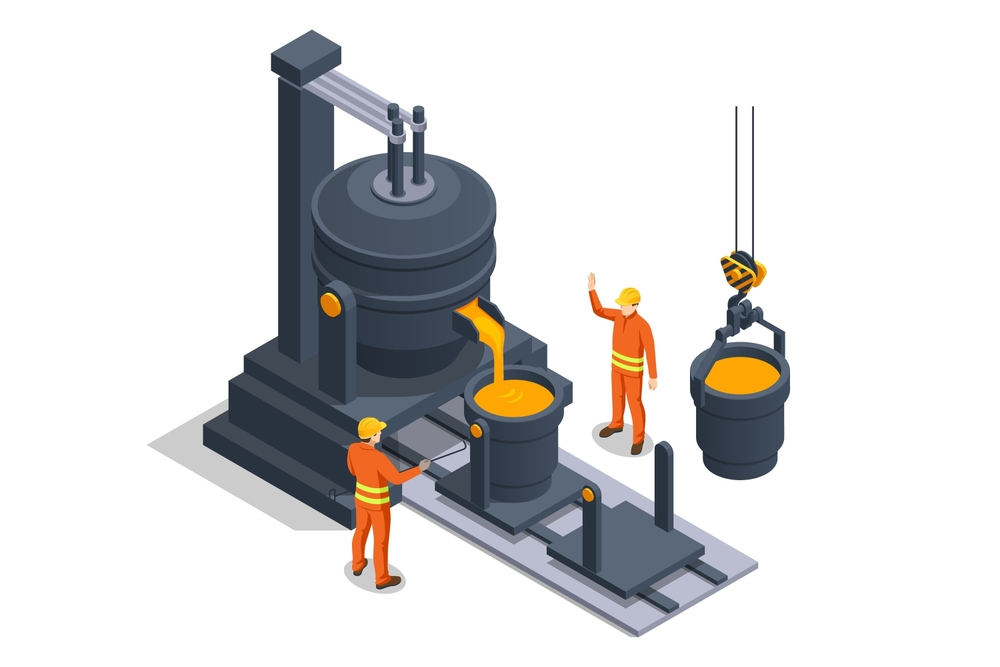
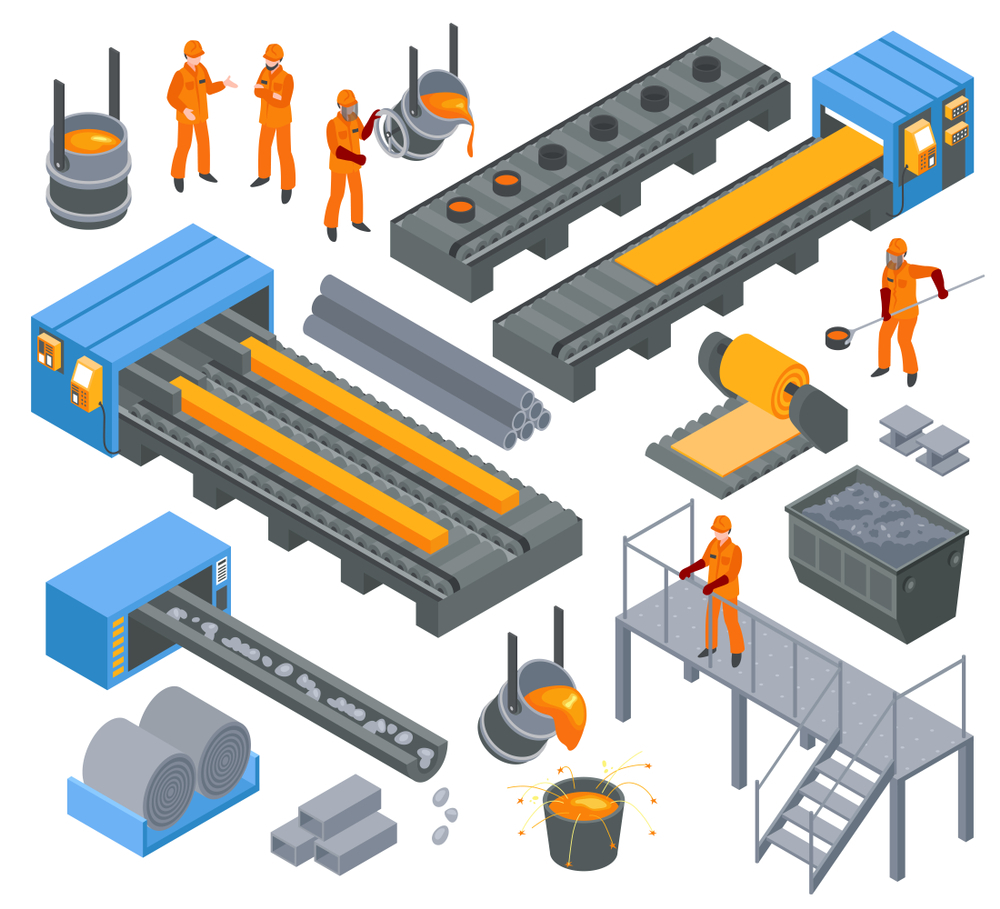
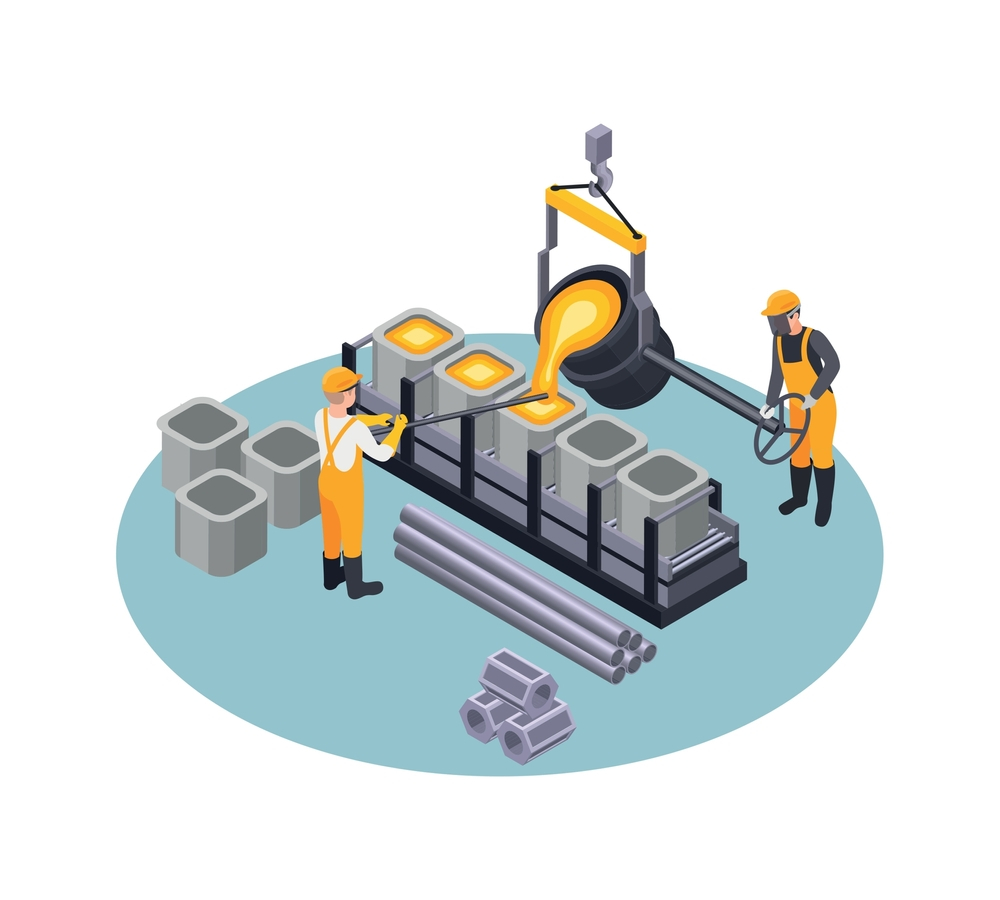
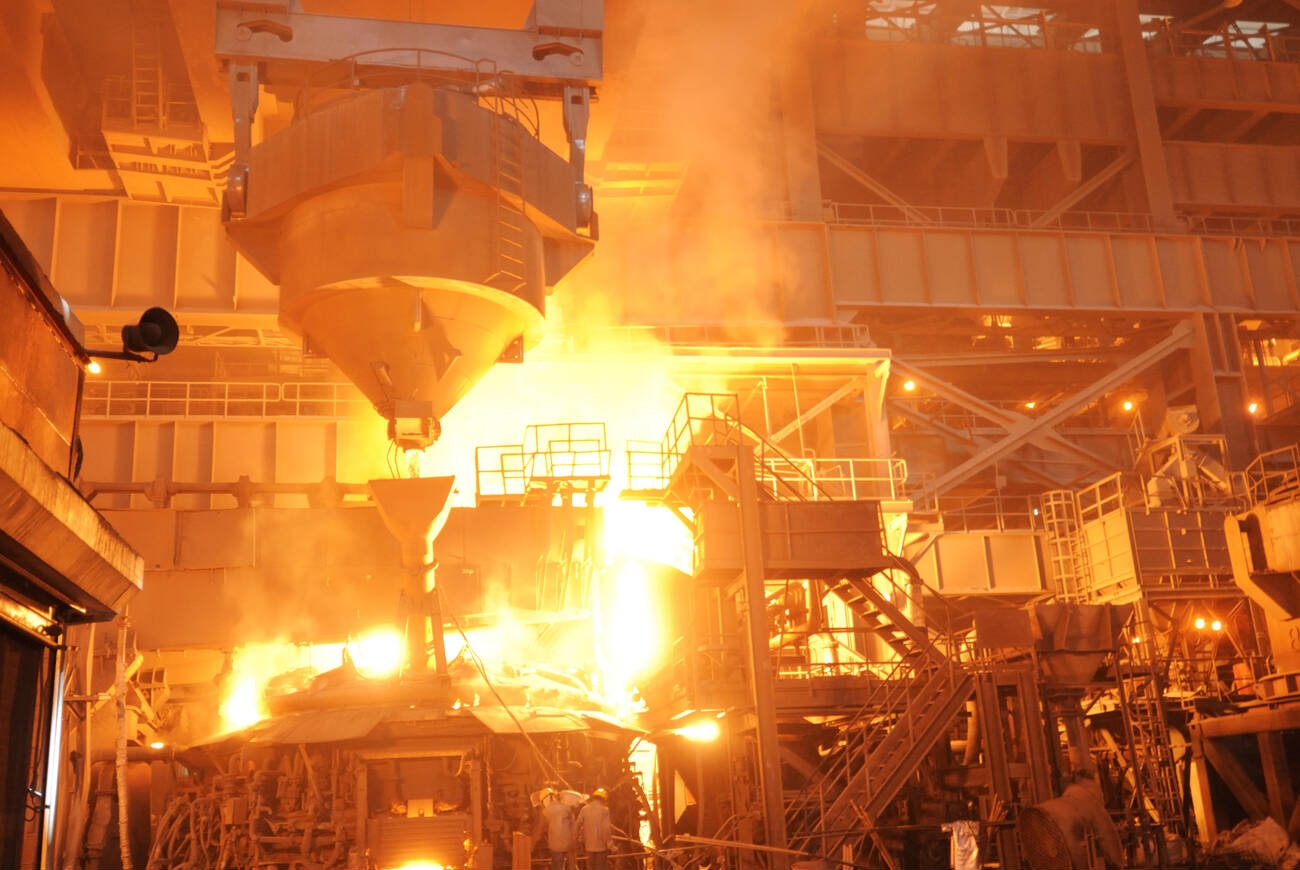
Raw materials, including recycled stainless steel, recycled low-carbon steel, and chromium in the form of ferrochromium (a hard, brittle compound composed of approximately 80% Cr and 20% Fe), undergo melting in an electric furnace. Subsequently, the argon-oxygen decarburization process is employed to remove carbon (C) and nitrogen (N) without significant chromium loss to the slag. Additional alloying elements can be introduced through inoculation. The molten steel is then transformed into blooms, billets, and slabs, and it can also be shaped through metal powder formation or the vaporization process.
Available Forms
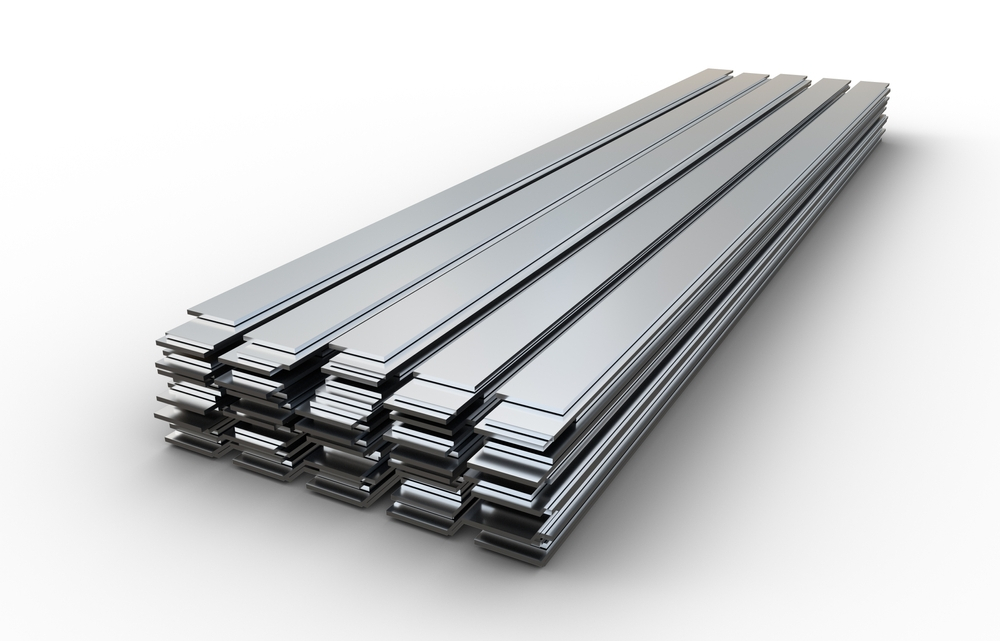
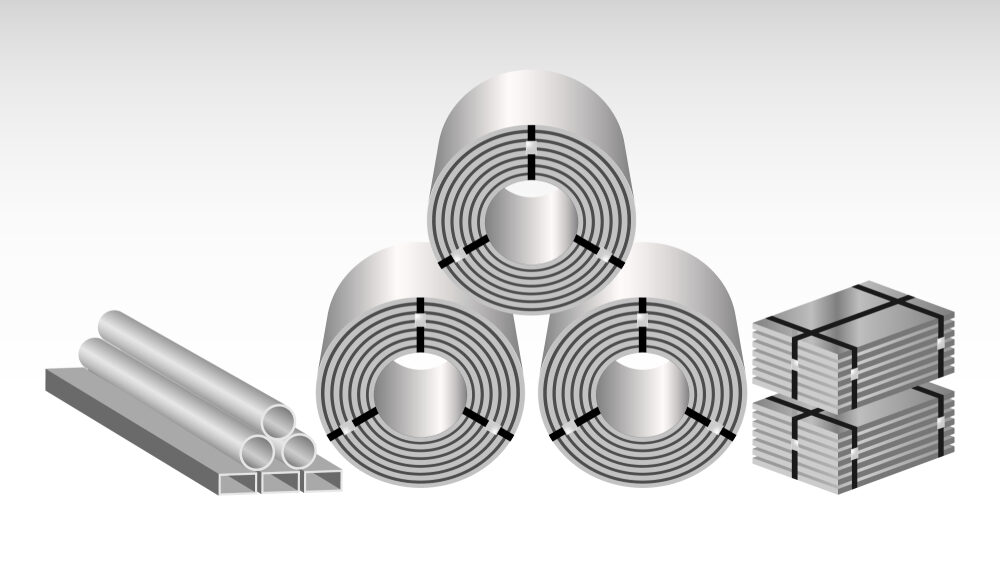
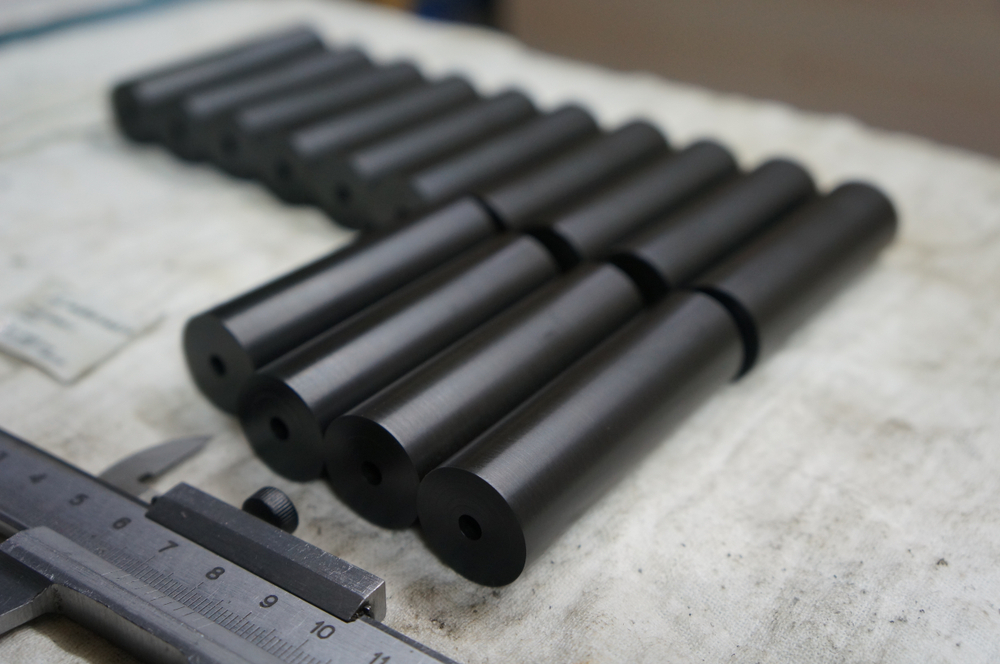
Stainless steel is accessible in various forms, including sheet, strip, bar, plate, and foil.
Forming
Stainless steel can undergo various forming processes, including hot-rolling, extrusion, deep drawing, and forging. While they generally exhibit favorable characteristics for cold-forming, formability diminishes with an increase in chromium content. Notably, low-carbon grades offer superior formability compared to other variants.
Machining
Machining is feasible, but due to the material’s toughness, it requires more time and is costlier than working with alloy and carbon steels. Effective cooling is essential during grinding owing to the low thermal conductivity.
Stainless steel offers versatility in surface treatments, including electroplating, painting, powder-coating, mill finishes, pickling (only in the fully annealed condition), various descaling methods, mass finishing, grinding, polishing, buffing, passivation treatments, surface-blackening, coloring, terne coatings, thermal spraying, and surface modification techniques like ion implantation, laser-alloying, and laser melt/particle injection.
Notes
Embrittlement Risk:
Prolonged exposure to elevated temperatures can lead to embrittlement in stainless steels. This phenomenon is attributed to the formation of the brittle ‘sigma phase’ at high temperatures, which coats grain boundaries. Regular checks are recommended for stainless steels utilized in high-temperature applications to monitor and mitigate potential embrittlement issues over time.
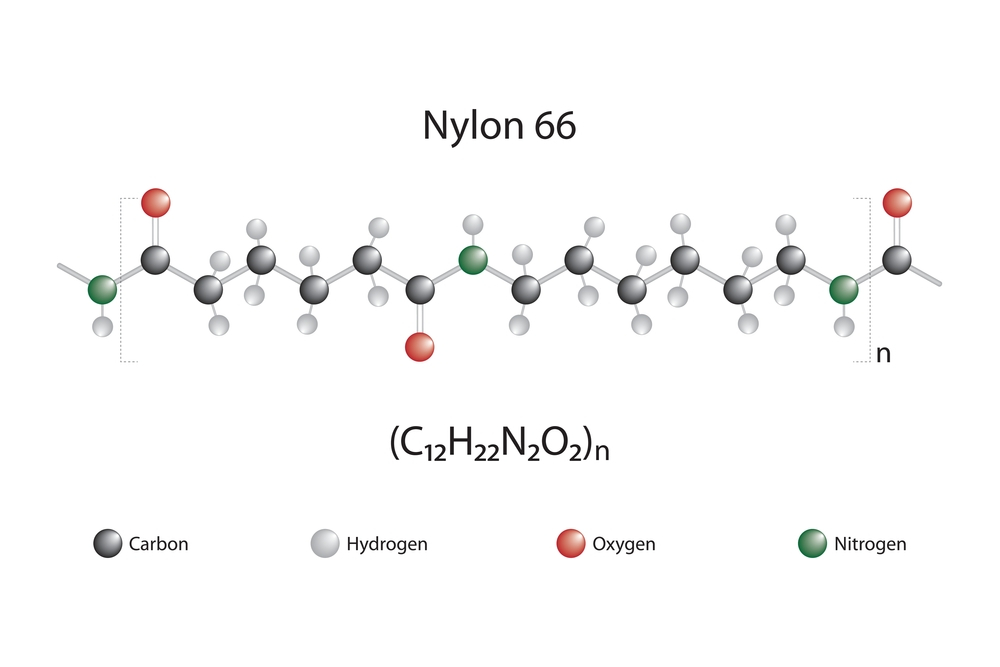
Modulus Metal is a leading provider of CNC machining services for Polyamide (Nylon) in Turkey. Our team of skilled professionals utilizes state-of-the-art CNC machines to produce high-quality Nylon parts with precision and accuracy. We offer Nylon CNC machining services for a wide range of applications, and we are committed to delivering the best results to our clients.
Types of Polyamide (Nylon):
Polyamide is a group of polymers that contains amide groups (-CO-NH-) in their molecular structure. There are various types of Nylon, each with its own unique properties and characteristics. Some of the most common types of Nylon we work with include:
Nylon 6: This type of Nylon is a semi-crystalline material that offers high strength, stiffness, and toughness. It is suitable for applications that require high mechanical strength and resistance to wear and abrasion.
Nylon 6/6: This type of Nylon is a crystalline material that offers excellent mechanical properties and chemical resistance. It is suitable for applications that require high strength, stiffness, and dimensional stability.
Nylon 11: This type of Nylon is a semi-crystalline material that offers excellent impact resistance and flexibility. It is suitable for applications that require resistance to chemicals, abrasion, and impact.
Colors:
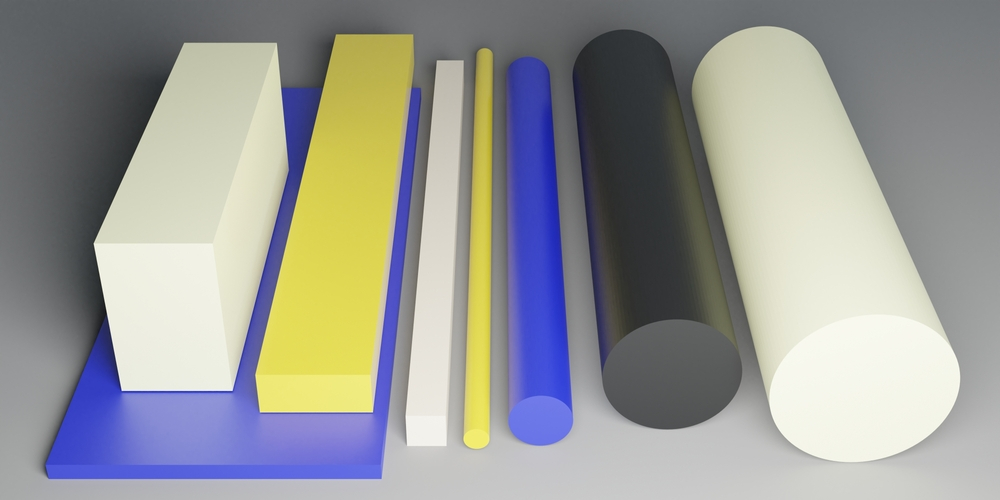
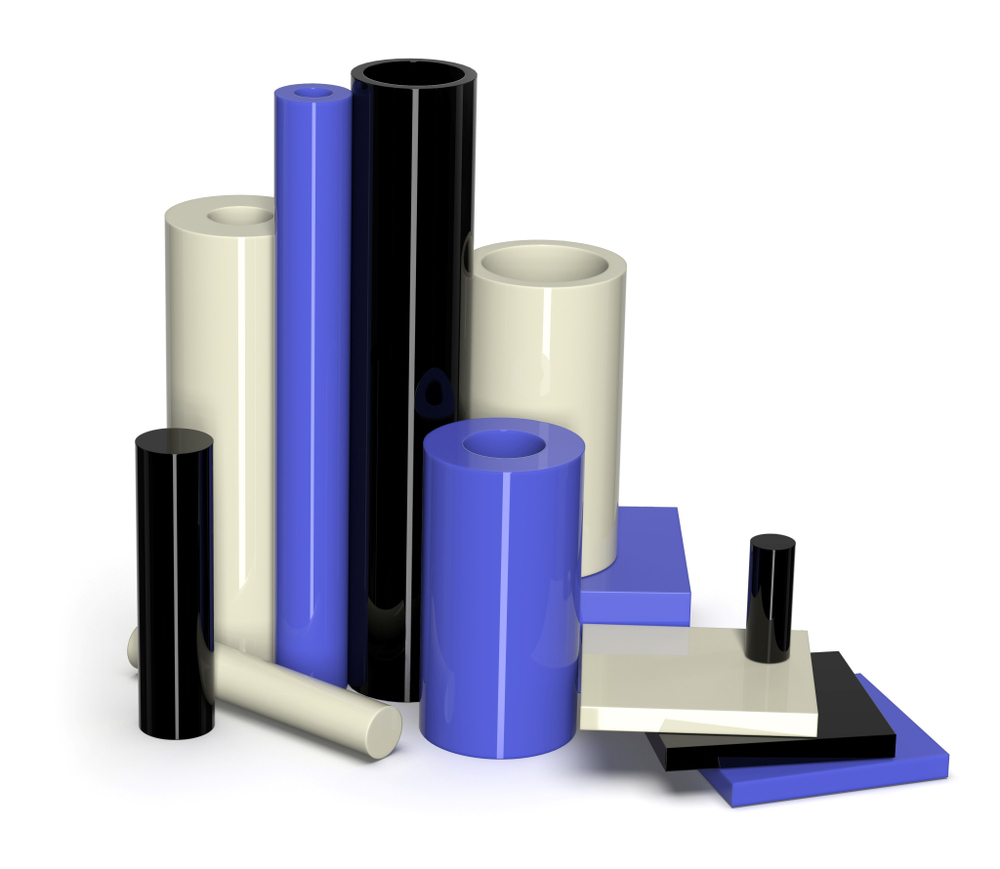
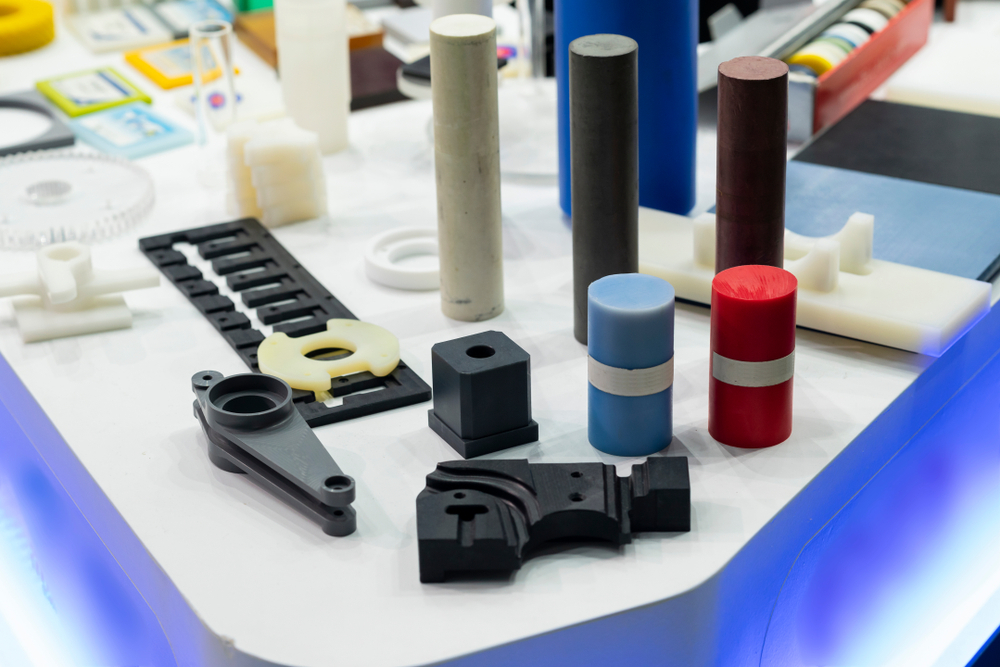
Nylon is available in a variety of colors, including natural (white), black, blue, green, red, and yellow. The color of the Nylon does not affect its mechanical properties, but it can provide aesthetic appeal or help with product identification.
Physical and mechanical properties:
Nylon (Polyamide) has excellent physical and mechanical properties, including high strength, stiffness, toughness, and chemical resistance. Some of its key properties are:
Melting temperature: The melting temperature of Nylon ranges from 220°C to 265°C, depending on the type of Nylon.
Hardness: Nylon has a hardness of around 70 to 80 on the Rockwell scale, making it relatively hard and durable.
Tensile strength: The tensile strength of Nylon ranges from 50 to 150 MPa, depending on the type of Nylon.
Flexural modulus: Nylon has a flexural modulus of around 1,000 to 3,000 MPa, making it relatively stiff and strong.
Coefficient of friction: Nylon has a low coefficient of friction, making it suitable for applications that require low friction and wear resistance.
Water absorption: Nylon has a high water absorption rate, making it suitable for applications that require good dimensional stability and resistance to moisture.
Types of machining:
At Modulus Metal, we use various types of machining techniques to produce high-quality Nylon parts, including:
Turning: Turning is a process in which a cutting tool removes material from the surface of a rotating Nylon workpiece to produce a cylindrical shape. Turning is ideal for producing parts with round shapes, such as shafts, rods, and bushings.
Milling: Milling is a process in which a rotating cutting tool removes material from a Nylon workpiece to produce a flat or contoured surface. Milling is ideal for producing complex shapes, such as gears, brackets, and housings.
Drilling: Drilling is a process in which a rotating cutting tool removes material from a Nylon workpiece to produce a round hole. Drilling is ideal for producing holes with accurate diameters and depths.
Threading: Threading is a process in which a cutting tool removes material from a Nylon workpiece to produce a screw thread. Threading is ideal for producing parts that require screw connections, such as bolts, nuts, and threaded rods.
Examples of products:
We provide CNC machining services for a wide range of Nylon parts, including:
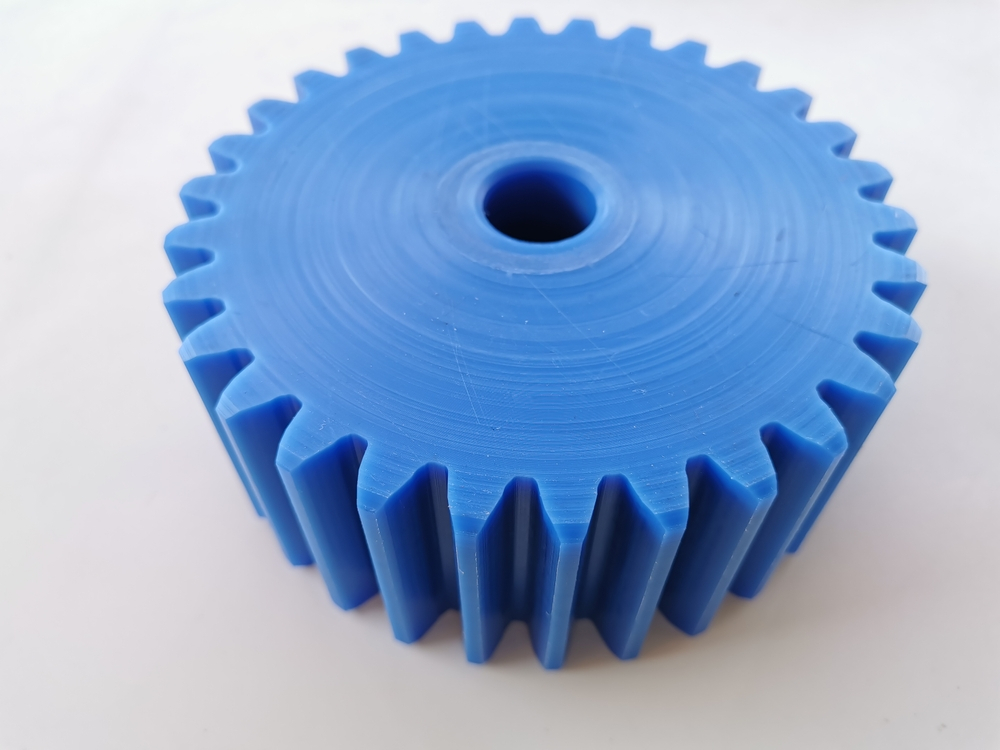
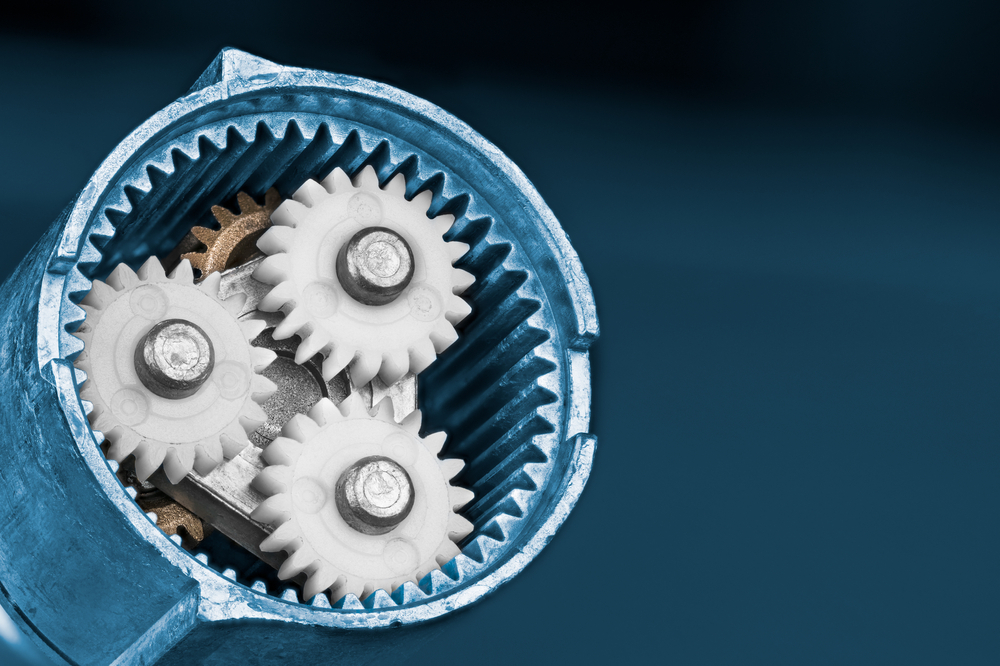
Gears and bearings: Nylon’s excellent wear resistance and low friction properties make it an ideal material for producing gears and bearings used in various industries such as automotive, aerospace, and medical.
Structural components: Nylon’s high strength and stiffness properties make it suitable for producing structural components used in the construction of machines, equipment, and devices.
Electrical components: Nylon’s excellent dielectric properties and resistance to heat and chemicals make it an ideal material for producing electrical components such as insulators, connectors, and housings.
Automotive parts: Nylon’s excellent impact resistance, toughness, and wear resistance make it an ideal material for producing automotive parts such as fuel system components, engine covers, and brake parts.
Medical devices: Nylon’s biocompatibility and resistance to chemicals and sterilization make it an ideal material for producing medical devices such as surgical instruments, implantable devices, and prosthetics.
At Modulus Metal, we are committed to providing high-quality Nylon CNC machining services to meet the unique needs of our clients. Our team of experts works closely with clients to ensure that every part meets their exact specifications, and we use only the best materials and equipment to deliver exceptional results. Contact us today to learn more about our Polyamide (Nylon) CNC machining services.
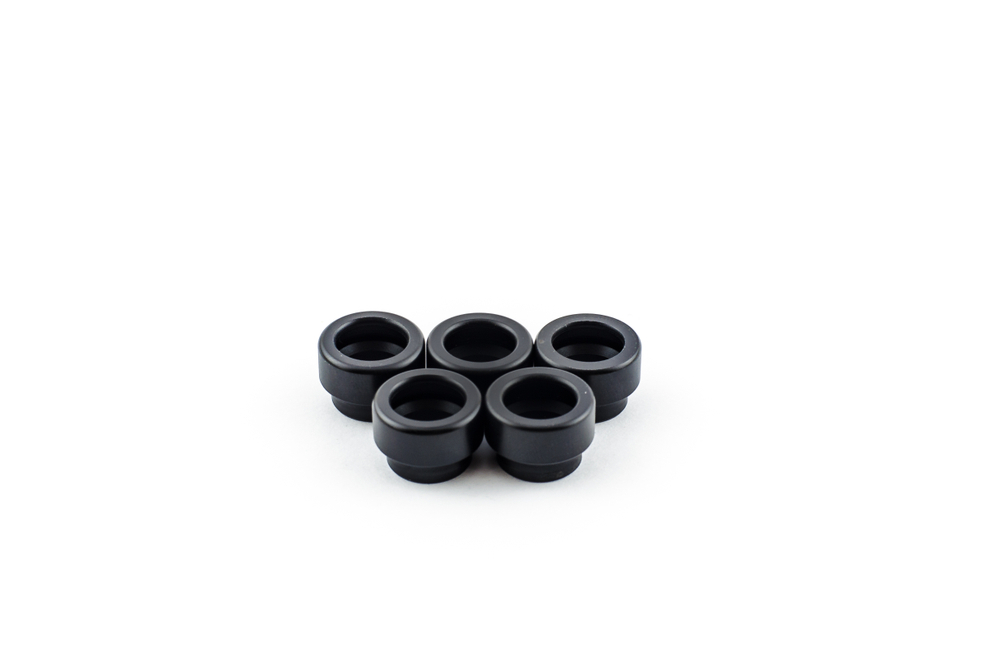
Welcome to Modulus Metal, your reliable source for Polyoxymethylene (Delrin / Acetal) CNC machining services in Turkey. With our state-of-the-art equipment and skilled technicians, we offer precision CNC machining services for a wide range of Delrin products.
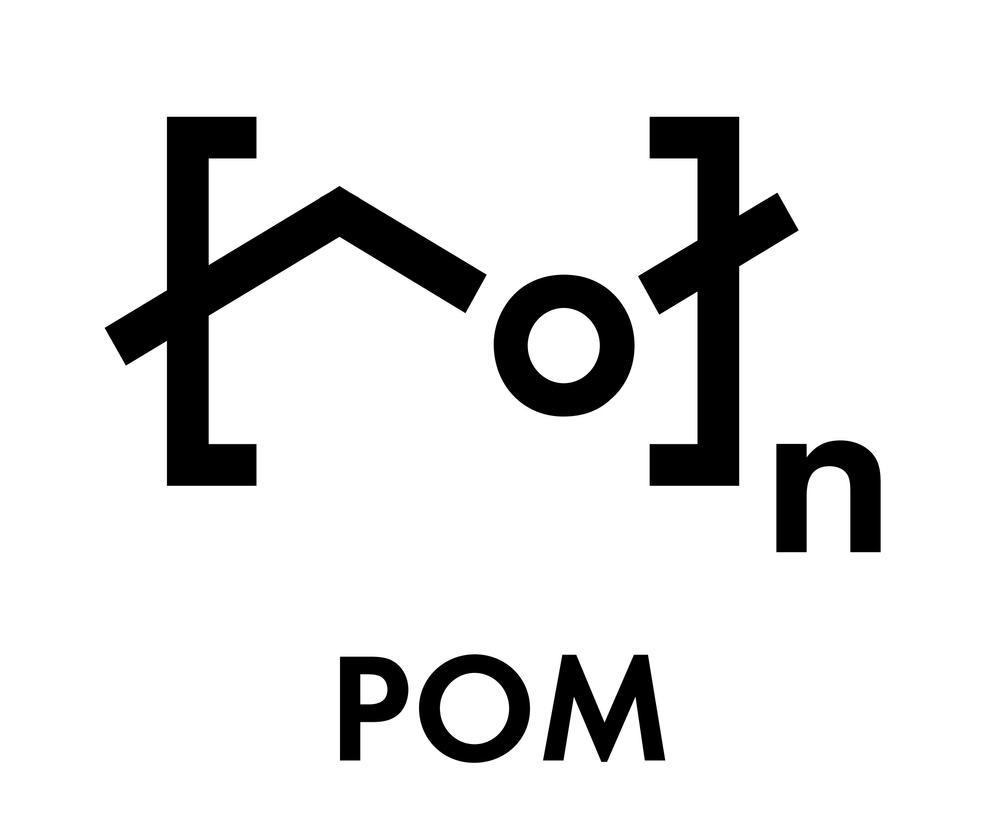
Polyoxymethylene, commonly known as Delrin or Acetal, is a thermoplastic polymer with excellent mechanical properties, high stiffness, and low friction. These properties make it an ideal material for producing precision components with tight tolerances.
At Modulus Metal, we specialize in CNC machining Delrin parts for various industries, including automotive, aerospace, medical, and industrial applications. Our CNC machining services can produce parts with intricate geometries and complex shapes, ensuring a perfect fit and function.
We use advanced CNC machines to produce high-quality parts that meet the exact specifications of our clients. Our machines are capable of machining Delrin in a wide range of shapes, including cylindrical, conical, and complex shapes with undercuts and contours.
Our CNC machining services for Delrin products include:
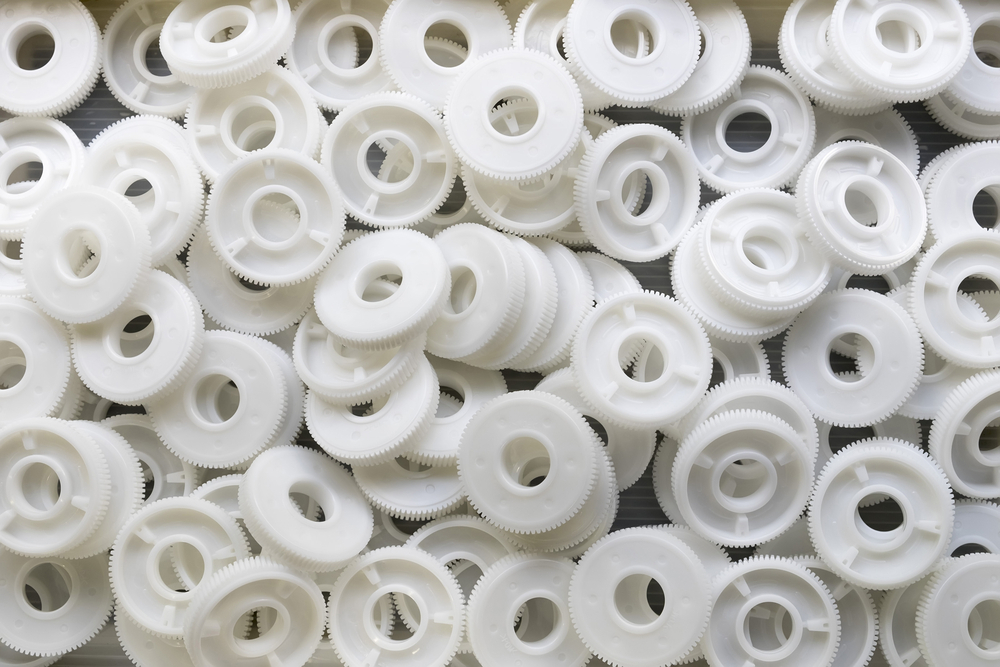
Delrin gears and bearings: We manufacture high-precision Delrin gears and bearings for various industrial and automotive applications. Our CNC machines can produce gears with complex profiles, tight tolerances, and smooth surfaces.
Delrin bushings: We produce Delrin bushings with tight tolerances and smooth surfaces for various applications, including automotive suspension systems, electrical connectors, and medical devices.
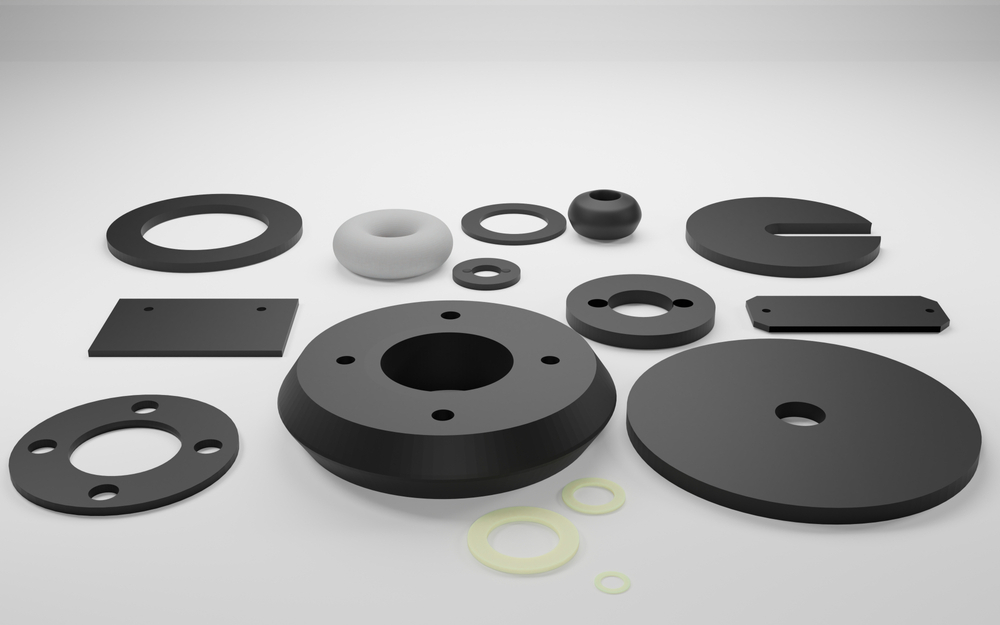
Delrin washers and spacers: We produce custom Delrin washers and spacers with precise dimensions and excellent surface finish for use in various industrial applications.
Delrin screws and nuts: We produce high-precision Delrin screws and nuts with excellent dimensional stability and low friction for use in various applications, including medical devices, electronics, and automotive.
Delrin insulators and connectors: We produce Delrin insulators and connectors with excellent dielectric properties for use in electrical and electronic applications.
At Modulus Metal, we offer CNC machining services for various types of POM, including Delrin and Acetal, in different colors.
Types of POM (Delrin / Acetal):
Homo-polymer POM: This type of POM has a higher melting temperature, excellent stiffness, and better mechanical properties than other types of POM. It is suitable for applications that require high strength, rigidity, and dimensional stability.
Co-polymer POM: This type of POM has better thermal stability and toughness than homo-polymer POM. It is suitable for applications that require impact resistance, low friction, and good chemical resistance.
Colors:
POM is available in a variety of colors, including natural (white), black, blue, green, red, and yellow. The color of the POM does not affect its mechanical properties, but it can provide aesthetic appeal or help with product identification.
Physical and mechanical properties:
POM (Delrin / Acetal) has excellent mechanical properties, including high stiffness, good impact resistance, low friction, and excellent dimensional stability. Some of its key physical and mechanical properties are:
Melting temperature: The melting temperature of POM ranges from 165°C to 185°C, depending on the type of POM.
Hardness: POM has a hardness of around 85 to 90 on the Rockwell scale, making it one of the hardest engineering plastics.
Tensile strength: The tensile strength of POM ranges from 60 to 100 MPa, depending on the type of POM.
Flexural modulus: POM has a flexural modulus of around 2,800 to 3,800 MPa, making it stiffer than many other engineering plastics.
Coefficient of friction: POM has a low coefficient of friction, making it suitable for applications that require low friction and wear resistance.
Water absorption: POM has a low water absorption rate, making it suitable for applications that require good dimensional stability and resistance to moisture.
Delrin (POM / Acetal) can be machined using a variety of techniques, including turning, milling, drilling, and threading. Each of these techniques offers unique benefits and is suitable for different types of applications. At Modulus Metal, we use advanced CNC machines to offer precision machining services for Delrin in various shapes and sizes.
Here are the common types of machining used for Delrin:
Turning: Turning is a process in which a cutting tool removes material from the surface of a rotating Delrin workpiece to produce a cylindrical shape. Turning is ideal for producing parts with round shapes, such as shafts, rods, and bushings. Delrin’s excellent machinability makes it easy to achieve tight tolerances and smooth finishes using the turning process.
Milling: Milling is a process in which a rotating cutting tool removes material from a Delrin workpiece to produce a flat or contoured surface. Milling is ideal for producing complex shapes, such as gears, brackets, and housings. Delrin’s high stiffness and excellent dimensional stability make it easy to achieve high accuracy and excellent surface finishes using the milling process.
Drilling: Drilling is a process in which a rotating cutting tool removes material from a Delrin workpiece to produce a round hole. Drilling is ideal for producing holes with accurate diameters and depths. Delrin’s low coefficient of friction and excellent machinability make it easy to achieve clean and accurate holes using the drilling process.
Threading: Threading is a process in which a cutting tool removes material from a Delrin workpiece to produce a screw thread. Threading is ideal for producing parts that require screw connections, such as bolts, nuts, and threaded rods. Delrin’s excellent dimensional stability and low coefficient of friction make it easy to achieve accurate thread dimensions and smooth surfaces using the threading process.
At Modulus Metal, we have the expertise and equipment to perform all of these machining processes with Delrin (POM / Acetal) to produce high-quality parts that meet your exact specifications. Contact us today to discuss your Delrin CNC machining needs, and we’ll be happy to provide you with a custom quote.
Modulus Metal ist eine führende türkische Edelstahl-Investmentguss-Foundry, spezialisiert auf die Produktion hochwertiger Edelstahl-Investmentgussteile und als Exportunternehmen tätig. Wir exportieren unsere Produkte in viele Länder wie Frankreich, Deutschland, die Niederlande, Italien, Österreich, Belgien, USA, Kanada und den Nahen Osten.
Wir verwenden verschiedene Arten von Edelstahl für unsere Investmentgussteile, darunter 304L, 316L, 17-4PH und weitere Legierungen, diese Legierungen sind nach verschiedenen Standards wie ASMT, AISI, DIN, ASME, BSI, ISO, EN etc. zertifiziert. Diese Legierungen zeichnen sich durch ihre hohe Korrosionsbeständigkeit, hohe Festigkeit und hervorragende Oberflächenqualität aus.
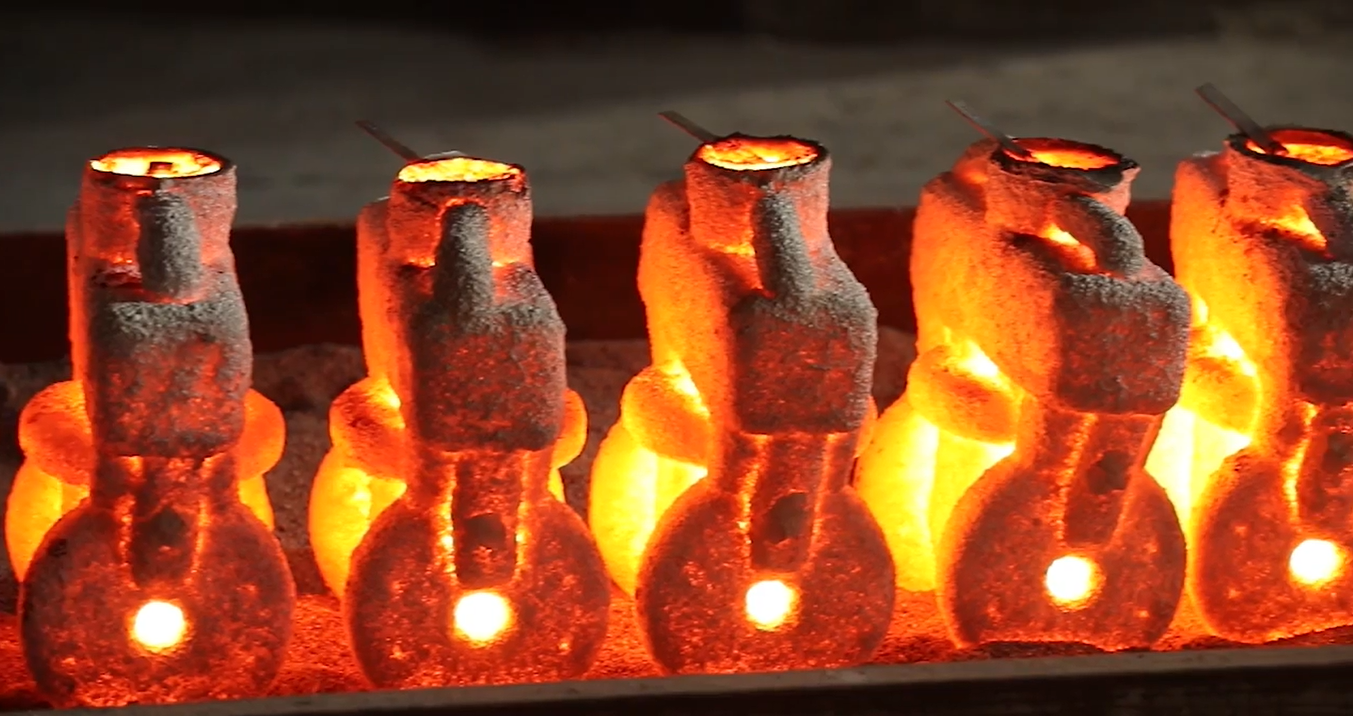
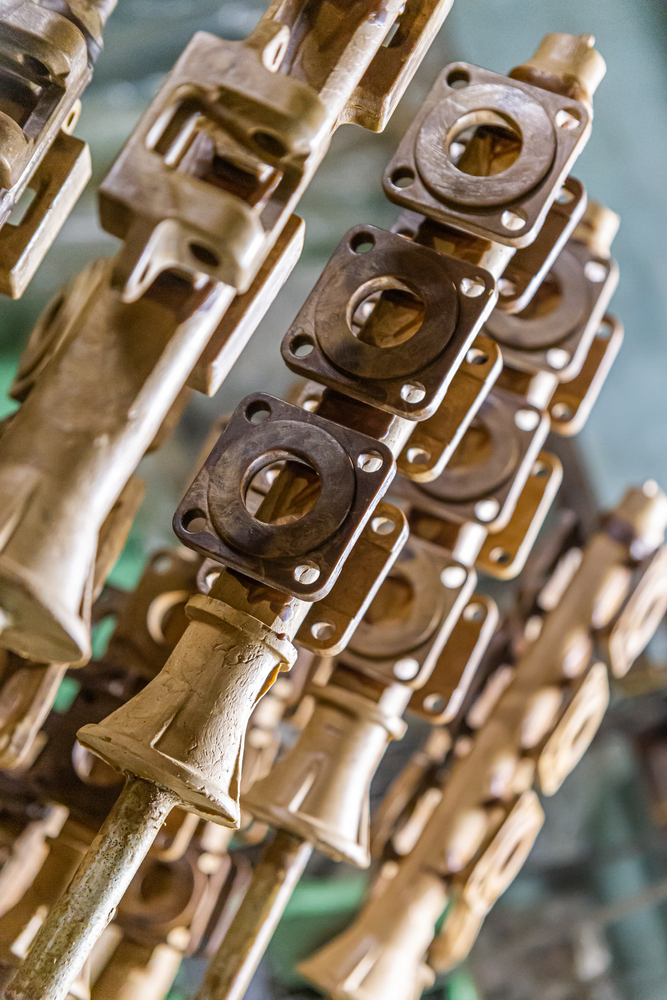
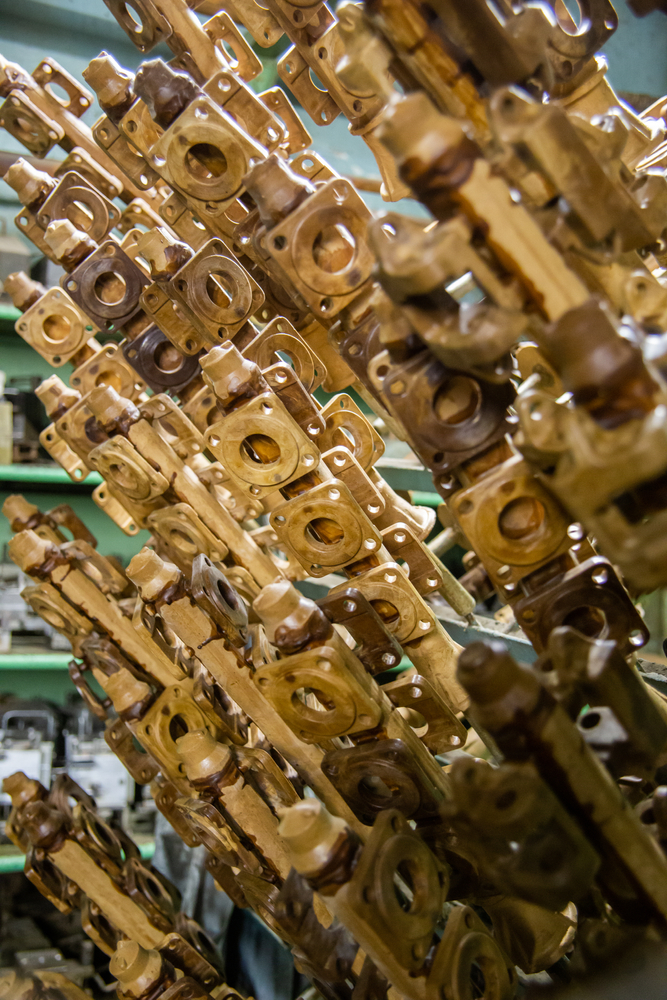
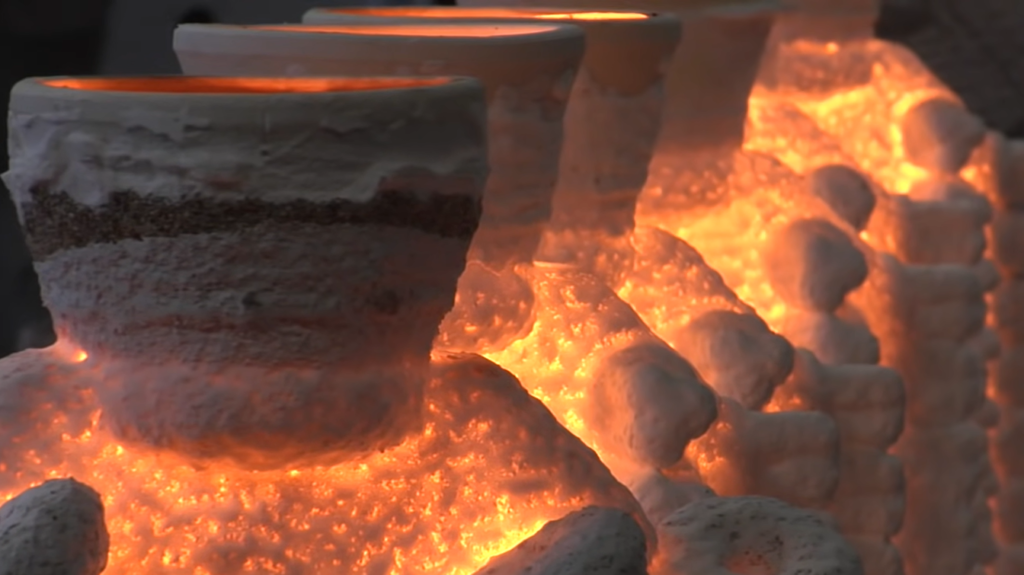
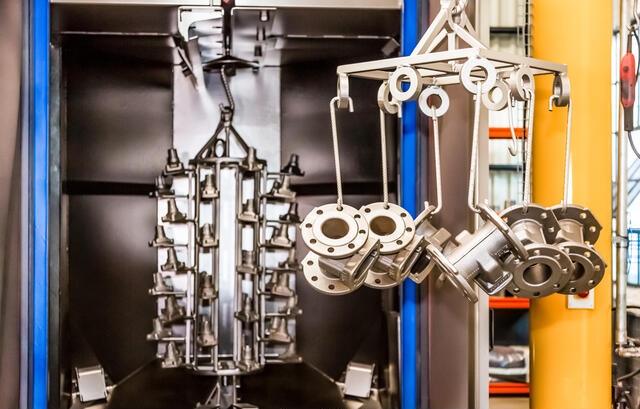
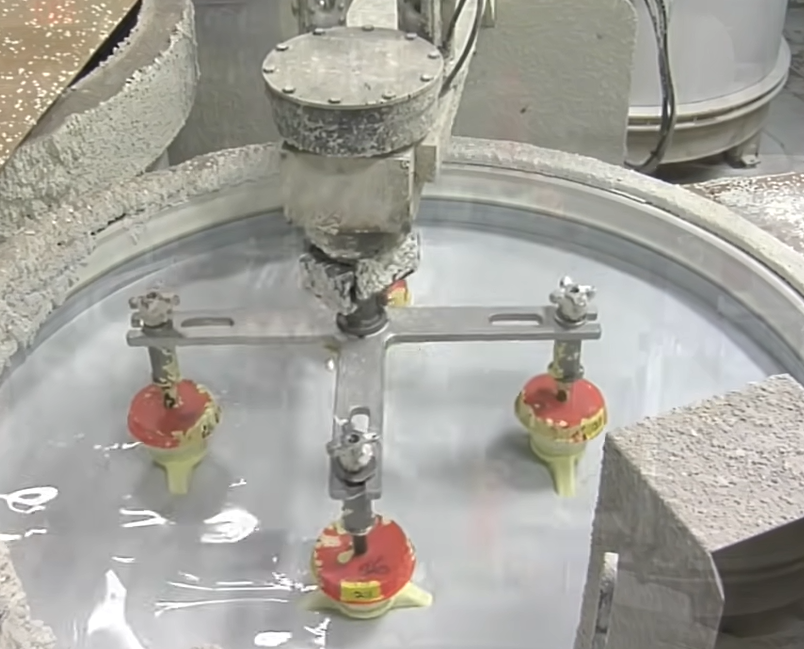
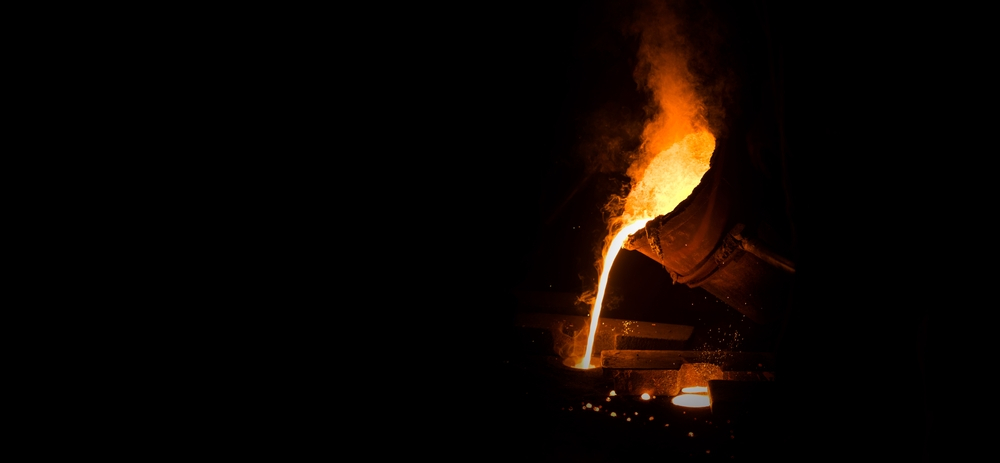
Der Investmentgussprozess umfasst mehrere Schritte, beginnend mit der Erstellung eines Wachsmodells, das dem gewünschten Gussteil entspricht. Das Wachsmodell wird dann in eine Keramikform eingegossen, die als Negativform für das Gussteil dient. Das Wachsmodell wird anschließend durch Erhitzen entfernt und durch das Gießen von flüssigem Edelstahl ersetzt. Nachdem das Metall erstarrt ist und die Form entfernt wurde, werden die Gussteile abschließend bearbeitet und geschliffen.
Unsere fortschrittliche Fertigungstechnologie ermöglicht uns, Gussteile mit komplexen Geometrien und engen Toleranzen herzustellen. Toleranzen von ± 0,02 mm sind für uns kein Problem, das erreichen wir durch unsere präzise Werkzeugbau und unseren prozess des flüssigen Metallgusses.
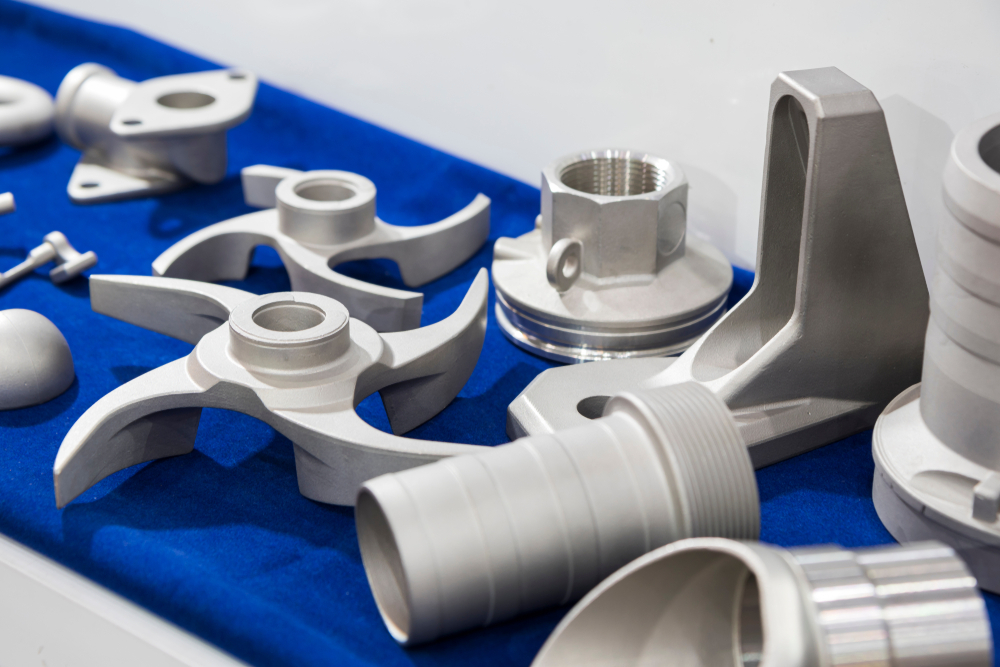
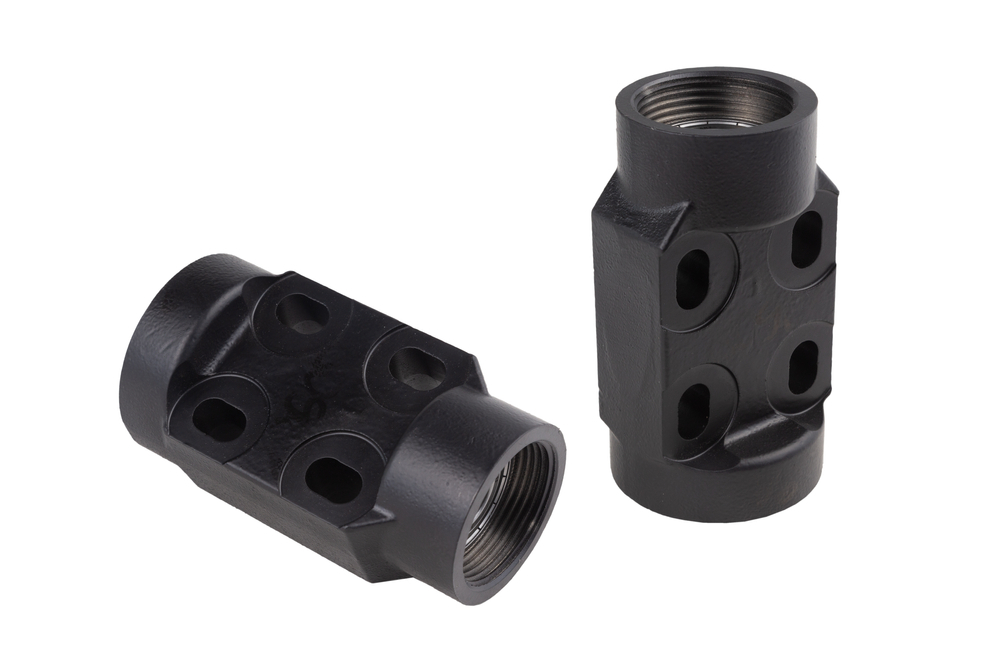
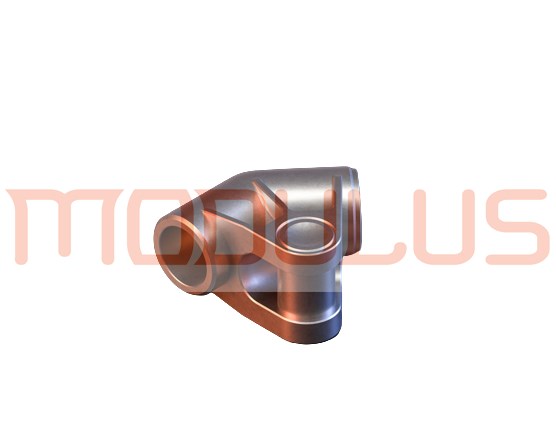
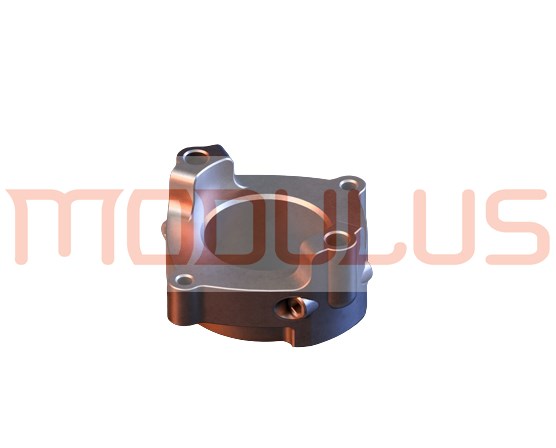
Unsere Produktpalette umfasst eine breite Palette von Gussteilen, wie z.B. Flansche, Hohlkörper, Impeller und Ventile für unterschiedliche Industrieanwendungen. Unser erfahrenes Team arbeitet eng mit unseren Kunden zusammen, um sicherzustellen, dass die Gussteile ihre Anforderungen in Bezug auf Design, Material und Toleranzen erfüllen.
Wir sind stolz darauf, ein starkes Team von erfahrenen und qualifizierten Mitarbeitern zu haben, die dafür sorgen, dass unsere Produkte immer den höchsten Qualitätsstandards entsprechen
Modulus Metal hat umfangreiche Erfahrungen bei der Produktion von hochvolumigen Edelstahl-Investmentgussteilen. Unsere Edelstahlgussteile finden Anwendung in maritimen Produkten, die in den Tiefen des Ozeans unterwegs sind, in fortschrittlichen Flugzeugen, die durch die Lüfte fliegen, und in zahlreichen anderen Anwendungen dazwischen. Schauen Sie sich in unserer Galerie unsere ausgewählten Gussteile an, um Beispiele für unsere Edelstahlgussarbeiten zu sehen.
Edelstahlgusslegierungen Die Grundlegierungselemente jeder Nickel-Basis- oder Edelstahlgusslegierung sind Chrom, Nickel und Molybdän (oder “Moly”). Diese drei Komponenten bestimmen die Gussstruktur und die mechanischen Eigenschaften des Gussteils und sind entscheidend für die Fähigkeit des Gussteils, Wärme und / oder Korrosion zu widerstehen.
Edelstahl hat einen Mindestchromgehalt von 10,5%, wodurch er resistenter gegen korrosive Flüssigkeiten und Oxidation ist. Allerdings ist dies keine absolut. Edelstahl-Investmentgussteile sind “korrosionsbeständig”, wenn sie in Flüssigkeiten und Dämpfen unter 1200°F (650°C) verwendet werden und “hitzeresistent”, wenn sie über dieser Temperatur verwendet werden.
Es gibt Unterschiede zwischen gegossenen und gewalzten Versionen von Edelstahl. Dies liegt an ihrer chemischen Zusammensetzung und ihrer Mikrostruktur, die durch die Herstellung des Materials, Guss oder Extrusion, beeinflusst werden. Diese Faktoren müssen bei der Wahl einer Legierung für Ihr Edelstahl-Investmentgussprojekt berücksichtigt werden.
Edelstahlguss-Karbongehalt Die Branche unterscheidet Korrosionsbeständige und hitzebeständige Edelstahlguss-Werkstoffe nach ihrem Karbongehalt. Ein Edelstahlguss muss einen geringen Karbongehalt aufweisen, um in korrosiven Umgebungen gut zu funktionieren. Daher verbessert der höhere Karbongehalt die Leistung hitzebeständiger Werkstoffe in Hochtemperatursituationen und verbessert ihre Festigkeit. Wenn Sie eine Edelstahllegierung mit hoher Hitzebeständigkeit suchen, die sich in rauen Umge
Welcome to Modulus Metal, a leading manufacturer of high-quality stainless steel investment casting products based in Turkey. Our state-of-the-art facilities and skilled workforce allow us to produce precision castings for a wide range of industries and applications using investment casting process. We are proud to export our products to countries such as the USA, Canada, Germany, France and many other countries.
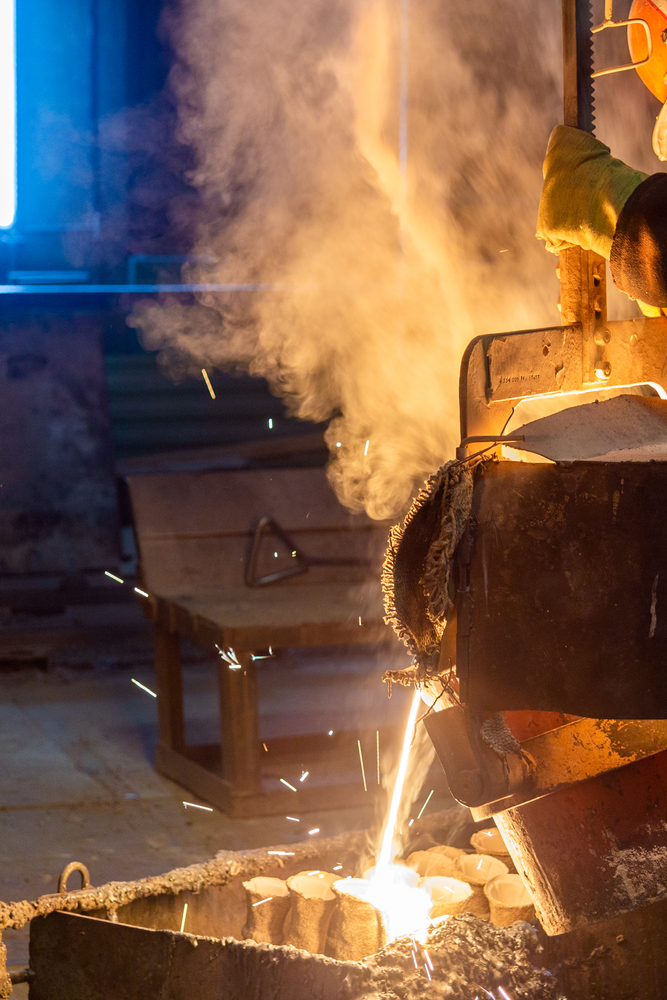
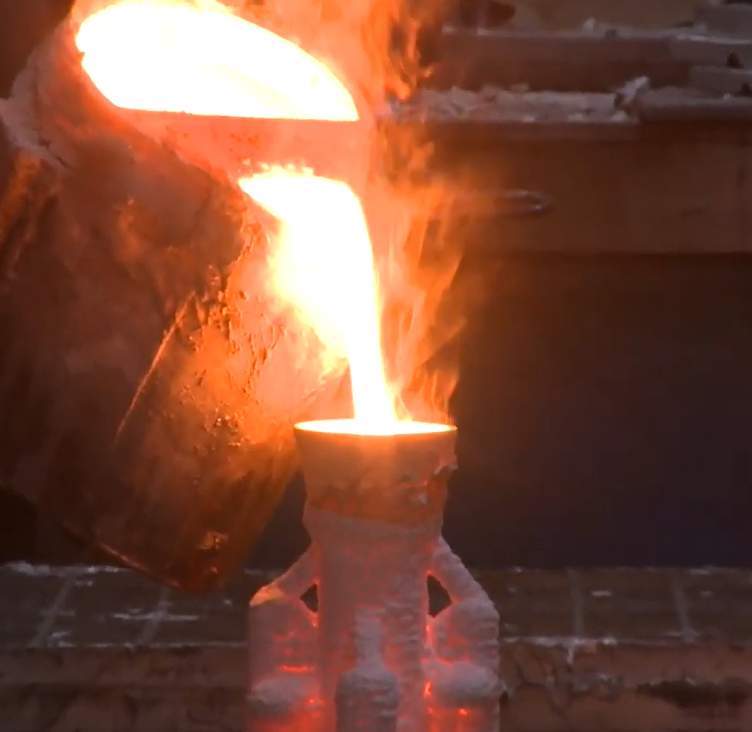
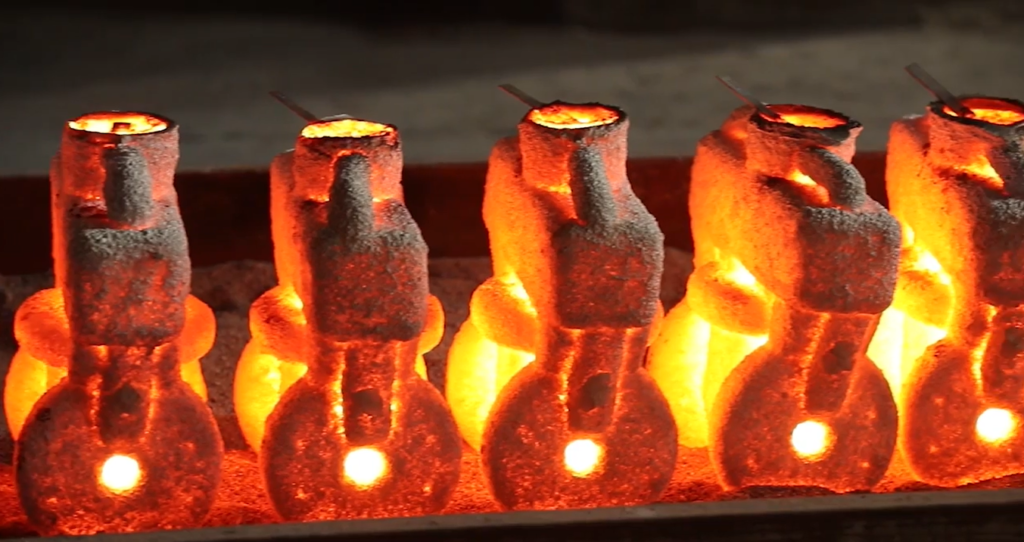
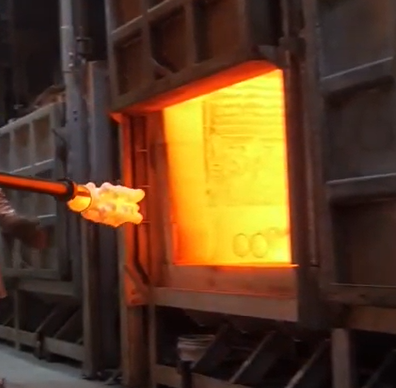
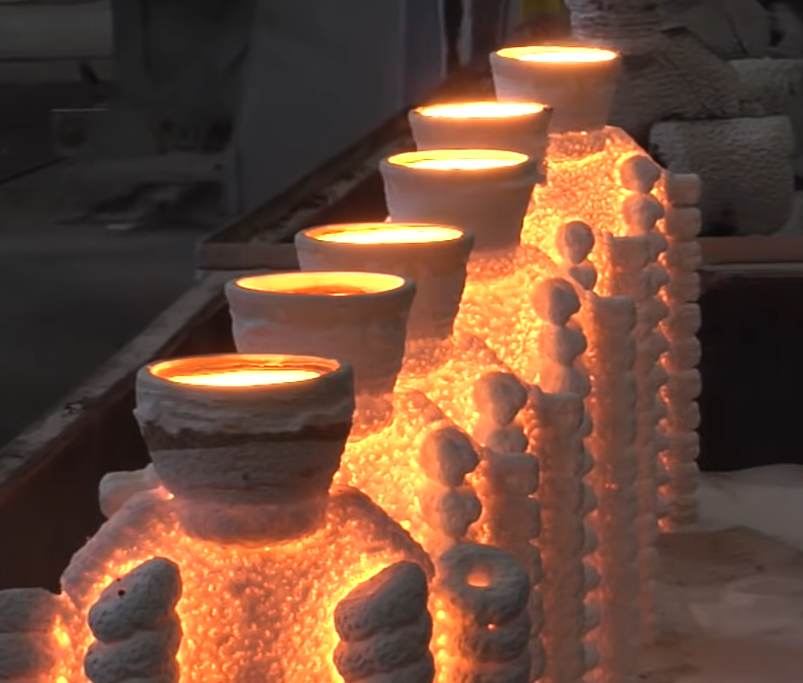
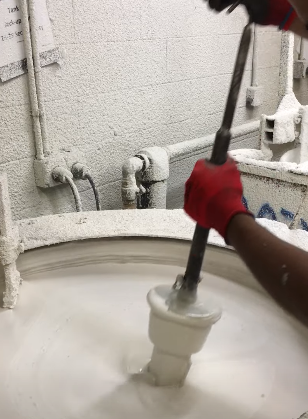
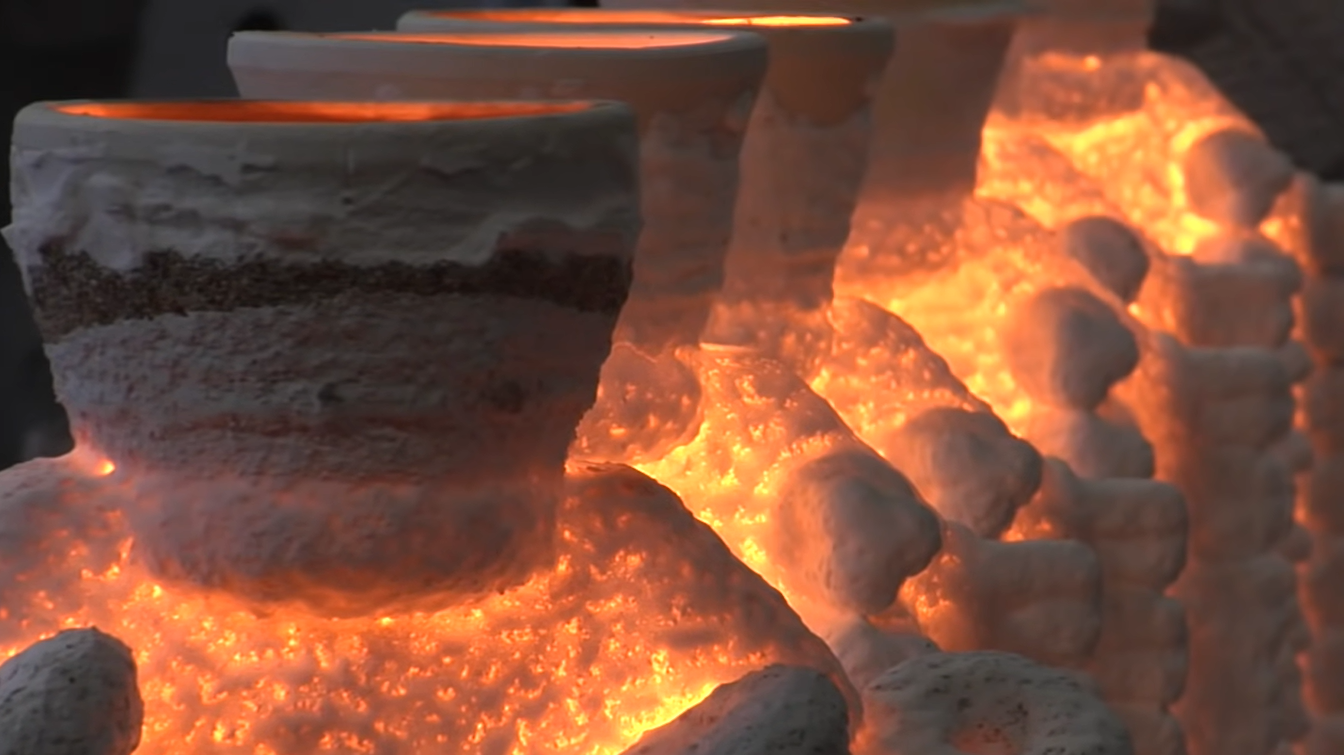
Investment casting is a precision casting process that involves making a wax pattern of the desired shape, coating it with a refractory material, and then heating it to melt the wax and form a ceramic mold. The molten stainless steel is then poured into the mold and allowed to cool and solidify. Once cooled, the ceramic mold is broken away, revealing the cast stainless steel component.
One of the key advantages of using stainless steel in investment casting is its excellent corrosion resistance, which makes it suitable for use in a wide range of applications, particularly in harsh environments. Stainless steel is also known for its high strength and durability, making it ideal for use in components that will be subject to high loads or wear. Additionally, stainless steel investment casting can produce highly complex and intricate shapes with a high degree of accuracy and consistency, which makes it ideal for use in precision components and equipment.
We use a variety of different types of stainless steel in our investment casting process, including:
Austenitic stainless steel: This type of stainless steel is the most commonly used in investment casting. It is characterized by its excellent corrosion resistance, high toughness, and ease of fabrication. Examples of austenitic stainless steels include AISI 304 (ASTM 304, ASME SA312), AISI 316 (ASTM 316, ASME SA312, DIN 1.4401, BSI 316S11)
Martensitic stainless steel: This type of stainless steel is known for its high strength and hardness. It is often used in investment casting applications that require high strength and wear resistance, such as gears and pump parts. Examples of martensitic stainless steels include AISI 410 (ASTM 410, ASME SA276, DIN 1.4006, BSI 410S21) and AISI 420 (ASTM 420, ASME SA276, DIN 1.4021, BSI 420S37)
Ferritic stainless steel: This type of stainless steel is characterized by its excellent corrosion resistance and good thermal stability. It is often used in investment casting applications that require high-temperature resistance and low thermal expansion. Examples of ferritic stainless steels include AISI 430 (ASTM 430, ASME SA268, DIN 1.4016, BSI 430S15) and AISI 446 (ASTM 446, ASME SA268, DIN 1.4762, BSI 446S19)
Our stainless steel investment castings are used in a variety of industries, including:
Aerospace
Medical Devices
Food Processing
Automotive
Agriculture
Petroleum & chemical
Marine
Power Generation
Some examples of the components we manufacture using stainless steel investment casting include:
Valve bodies
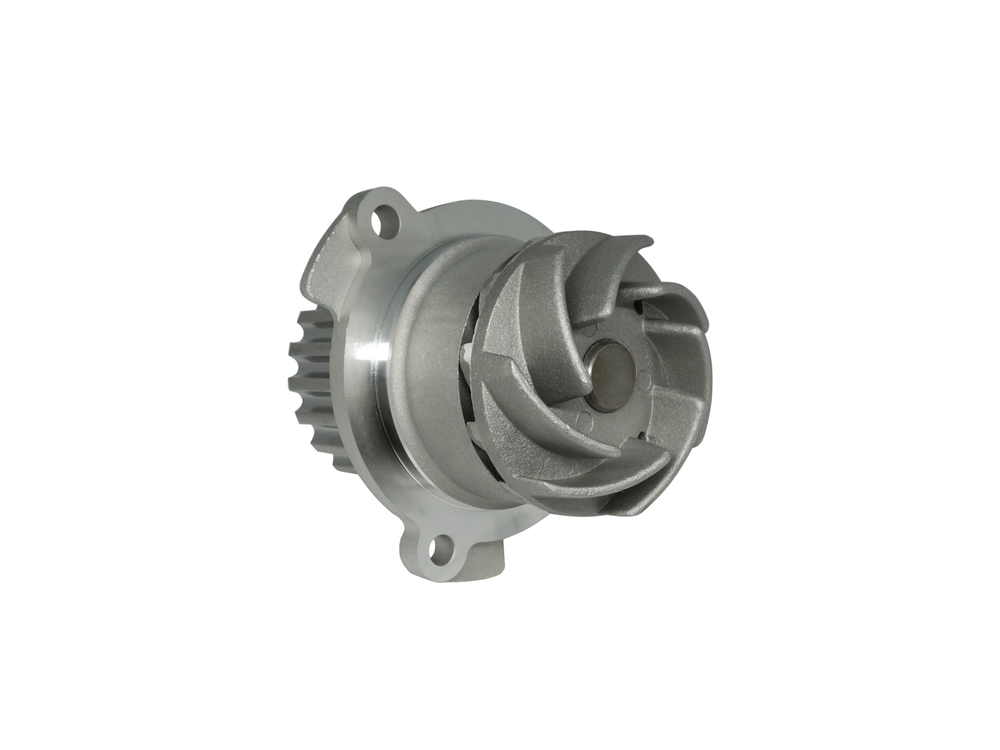
Impellers
Turbine blades
Bearings
Pump housings
Gearboxes
Pipe fittings
Firearm components
Medical devices and equipment
At Modulus Metal, we are dedicated to providing our customers with the highest-quality investment castings. Our strict quality control processes ensure that each and every one of our castings meets the most demanding industry standards and the standards like AISI, ASTM, ASME, DIN, BSI etc. Our differences are project management capabilities, experienced in export, foreign customer requirements, easy to communication, high skilled experienced engineers, always available to give prompt feedbacks. Our experienced engineers are well-versed in export regulations and requirements, and are able to work closely with our clients to ensure that their specific needs are met. We are committed to providing prompt and responsive customer service, and are always available to give feedbacks to clients on their projects. Contact us today to learn more about how we can meet your stainless steel investment
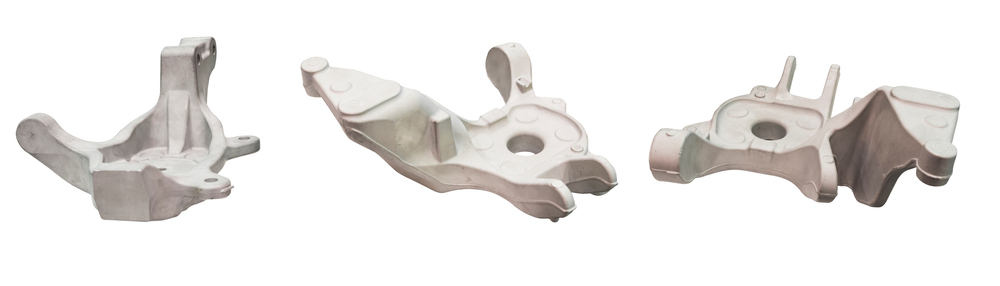
For the automobile industry, Modulus Metal offers a variety of investment casting component options. We have been a significant partner to the automotive industry for many years, and we will continue to expand and change to suit the industry’s evolving needs. Our performance-critical components assist automakers in adhering to the most recent criteria for better fuel efficiency and lower emissions. Because the goods we make must function in conditions with high temperatures and pressures, we must provide a safe solution to guarantee that we can give clients a product that is both safe and durable.
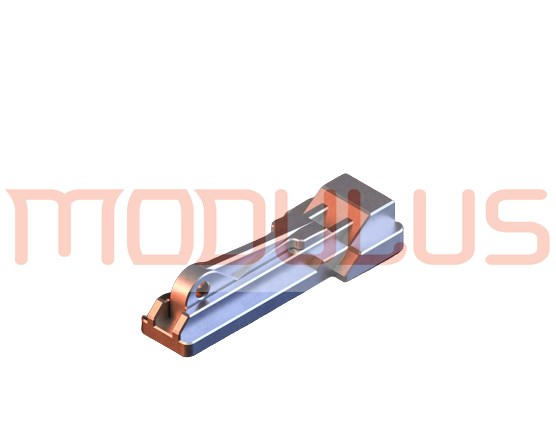
Our areas of competence include the design and production of a wide range of steel, brass, and aluminum automotive parts.
Investment Casting Automotive Industry Parts
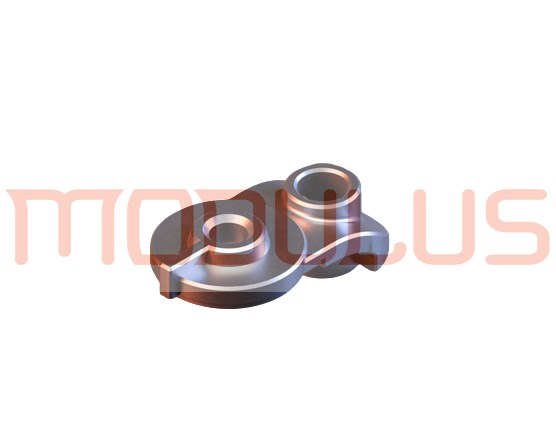
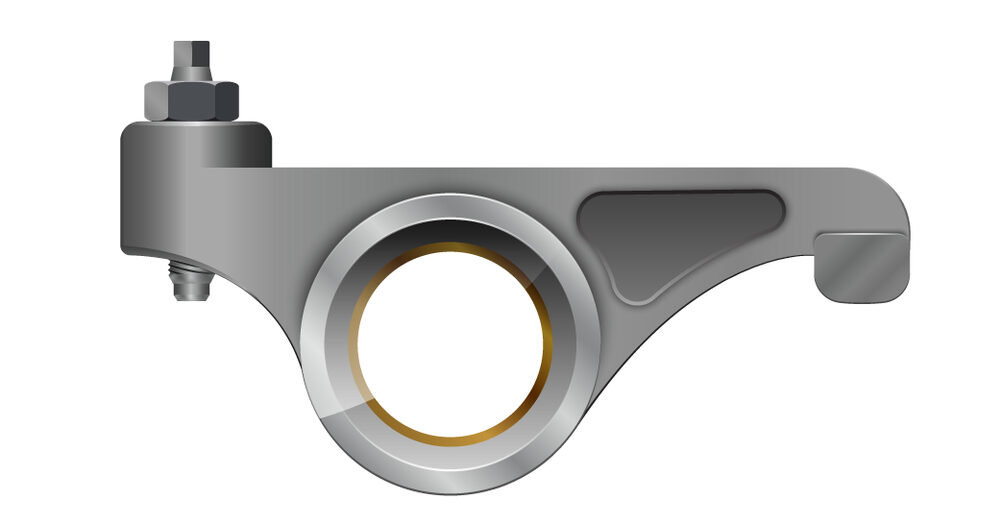
Rocker Arms
Shift Forks
Stator
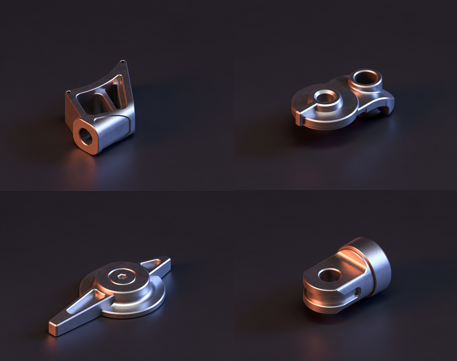
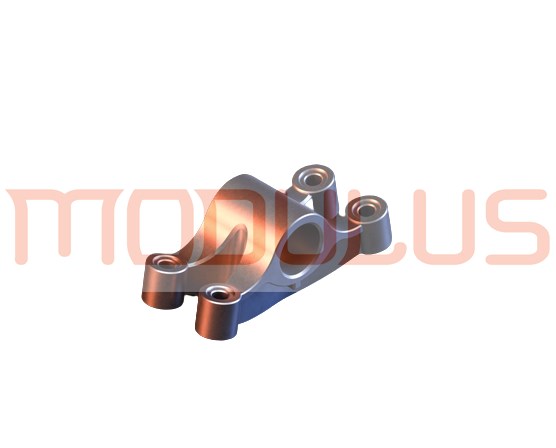
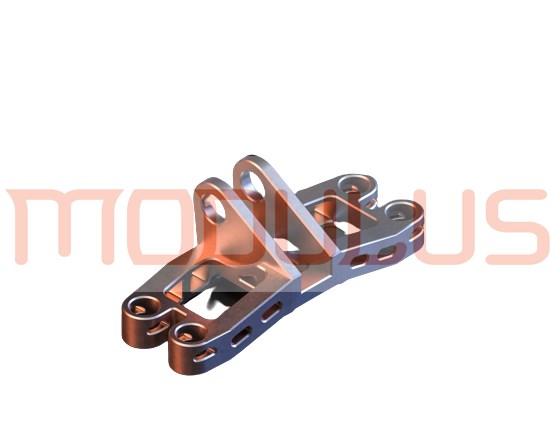
Brackets
Start/Stop switch housing
Gearbox components
Vehicle door handles
Mounting Bracket
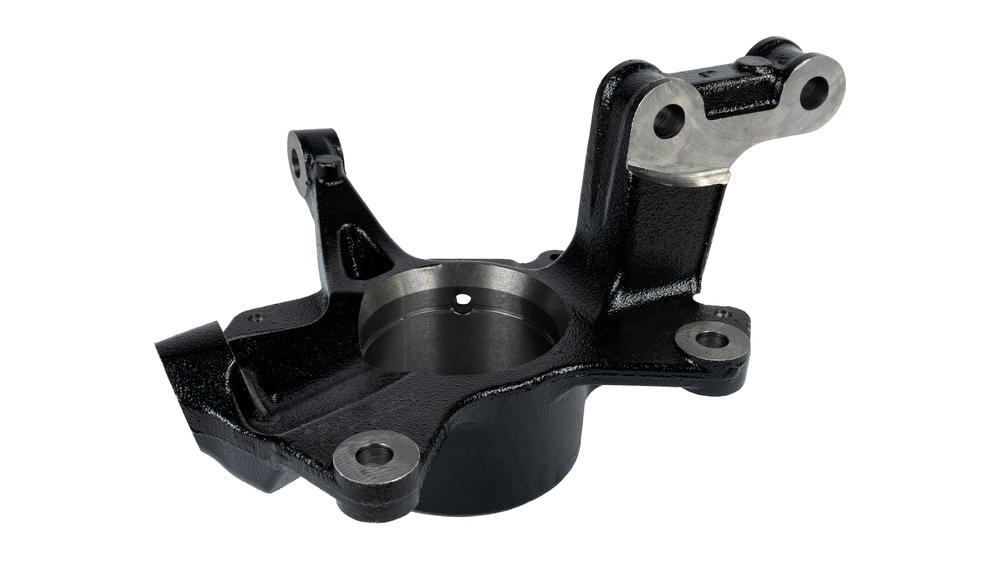
Wheel carrier
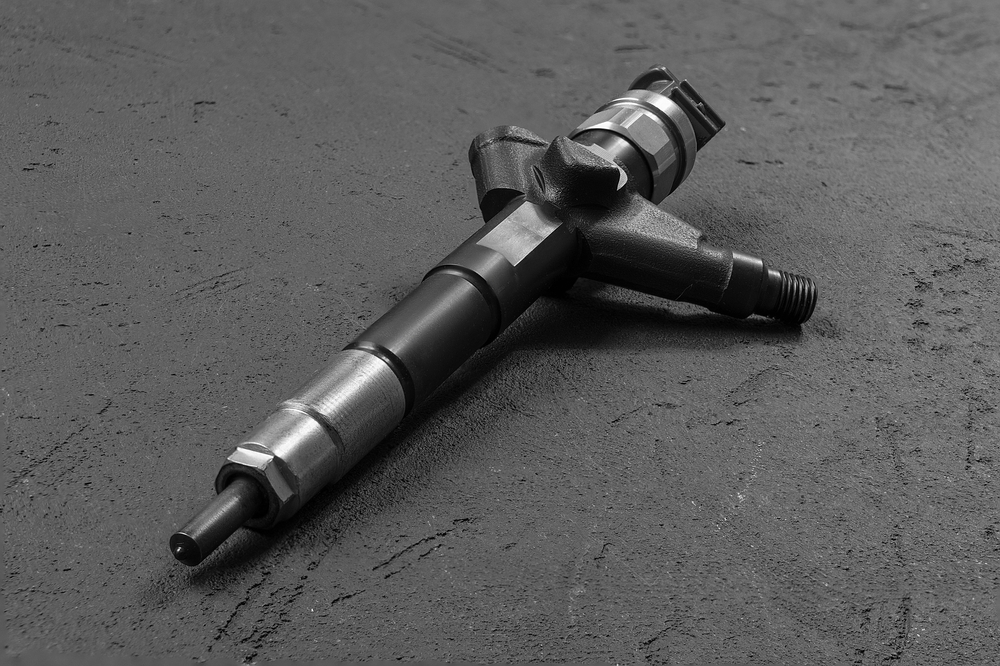
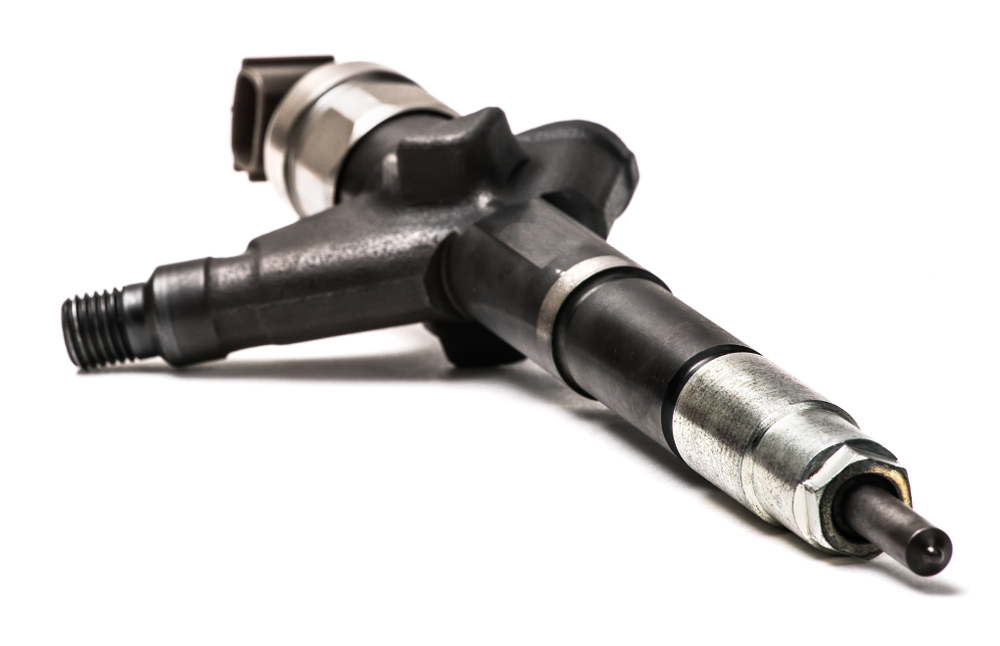
High-Pressure Common Rail
Engine Parts
Drum Gear Shifts Parts
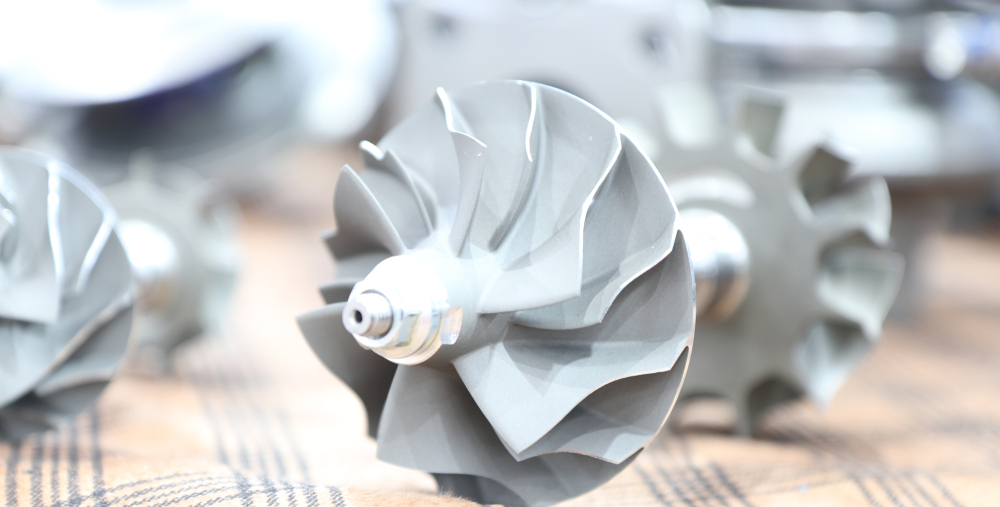
Impeller and compressor wheels
Volutes
Drive shaft components
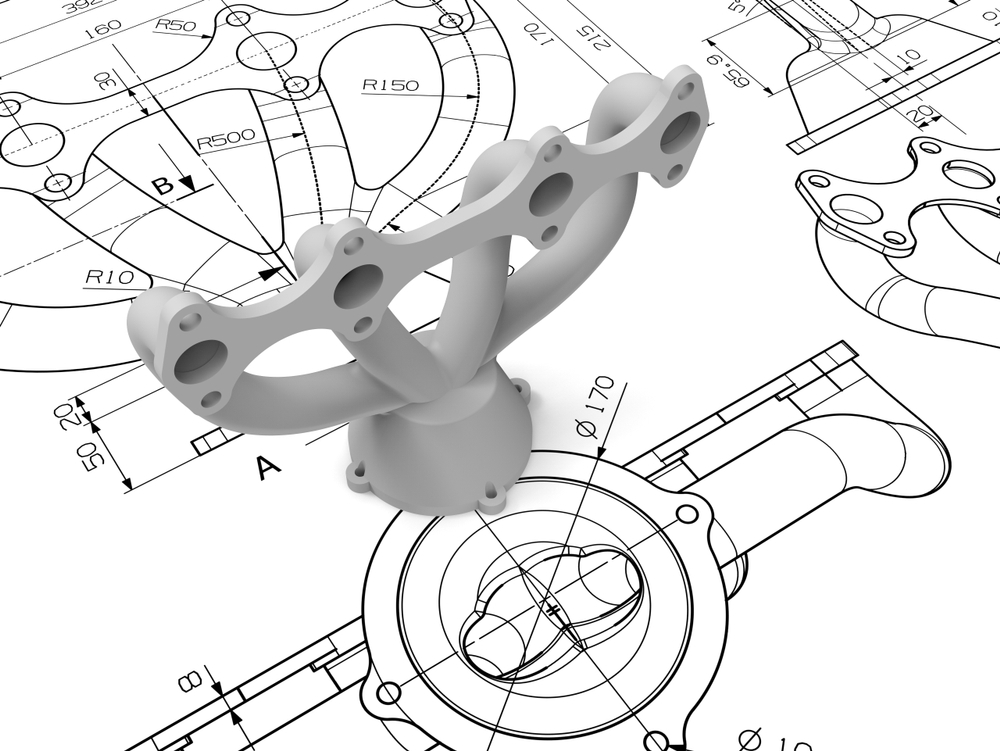
Exhaust systems
Clutch components
Manifold
Lower Support
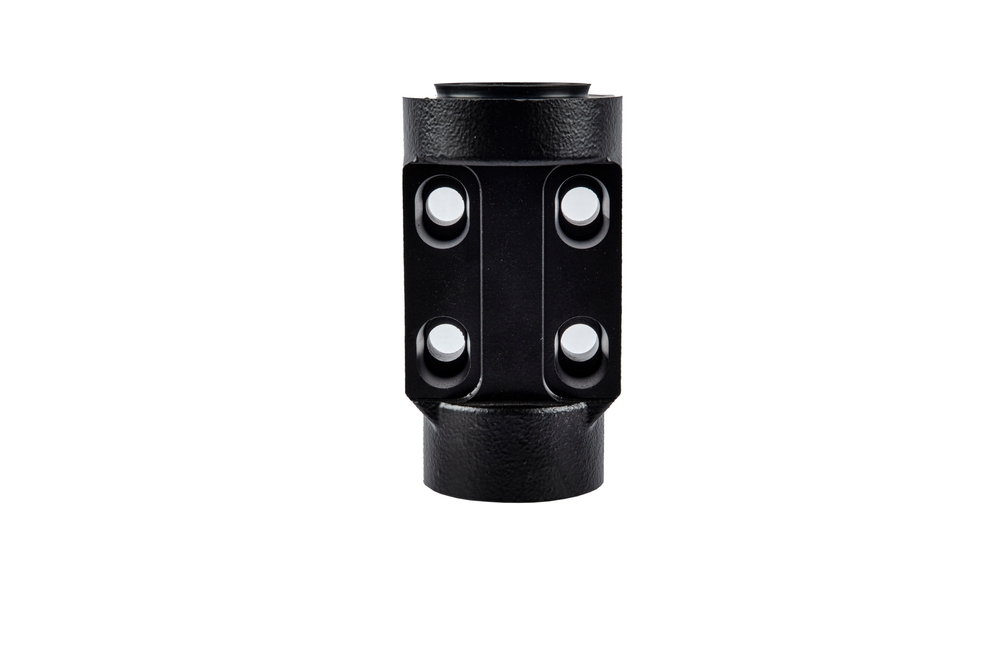
Housings
Lock Parts
Lock Housing
Nozzle Ring
Turbine Scroll
EGR Valves & Components EGR
Sensor Components
EGR Housing
Injection Clamp
We rely on a special sector of the automotive industry, which includes huge specialty vehicles, forklifts, tractors, agricultural machinery, and construction equipment. For your off-road vehicles and heavy machines, you demand replacement parts to be of the highest caliber and performance. For more than 60 years, Modulus Metal has manufactured cutting-edge metal casting solutions. Our involvement in precise casting for the automotive industry is mostly focused on the aftermarket, or replacement parts not produced by the original manufacturer. Investment casting is a very precise technique with advanced design possibilities that makes it perfect for producing aftermarket parts for heavy equipment, off-road vehicles, and heavy trucks.
Truck Cab Mounting Bracket
Precision casting is an effective procedure that creates dependable replacement components for many applications, including construction and agricultural machinery, with lower costs and shorter lead times than fabrication and machining. Several metal casting quality inspections are used by Modulus Metal to ensure that every part and component adheres to our strict tolerances and high standards. Our team will work with you and is made up of knowledgeable, highly qualified engineers, toolmakers, foundry and production professionals. To get started on your automobile investment casting requirements, let us know your specifications, timeframe, preferences, and budget.
Rocker Arm
For automotive parts and components to retain their quality over use, abuse, and environmental factors, they must be resilient. Producing intricate automobile products is where metal casting shines. In order to create castings that precisely fit your specific design with tight tolerances, Modulus Metal uses tested casting procedures that have been established over decades of expertise.
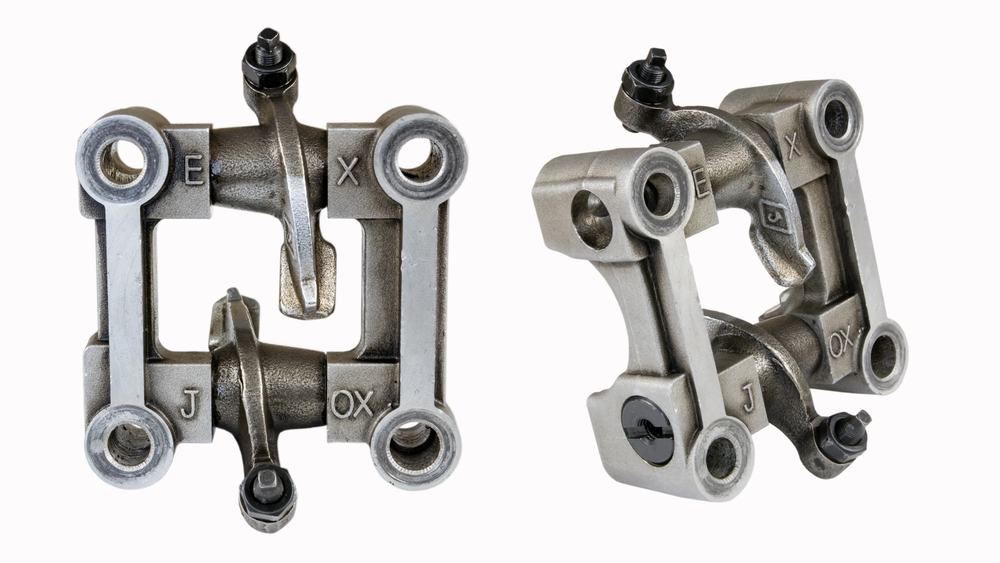
Camshaft housing with rocker arm
Excellent corrosion resistance and strong load-bearing qualities are made possible by the lost wax casting method. Modulus Metal can assist you with your automobile demands if you’re seeking for precise replacement parts with high quality standards. If you’re seeking for aftermarket off-road vehicle and heavy truck parts, get in touch with us. Manufacturers depend on Modulus Metal castings since we use strictly regulated procedures and specifications.
All of our automotive goods and spare parts are produced on demand in Turkey in accordance with client requirements.
For more information on automotive precision casting, call Modulus Metal or request a quote right away.