
Einkaufsführer für Feingussteile | Modul Metal | Lieferant von Feingussteilen | Exporteur Unternehmen | Gießerei | in der Türkei

Investment Lost Wax Casting Pouring Metal Supplier Manufacturer Exporter Foundries Turkey

Der Einkauf von Feinguss erfordert ein hohes Maß an Professionalität, daher müssen Käufer mit den technischen Aspekten des Feingusses vertraut sein und in der Lage sein, effektiv mit Gießereiexperten zusammenzuarbeiten. Hier skizzieren wir einige wichtige Überlegungen für Kunden, die Präzisions-Feingussteile kaufen.

A. Auswahl der Feinguss-Gießerei
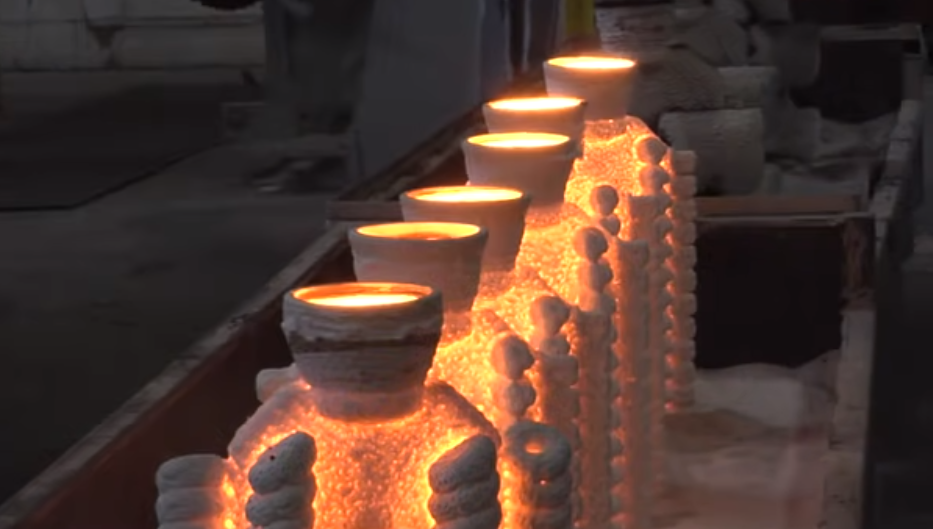
Sand Casting Investment Casting Foundry Gray Ductile Nodular Products Parts Manufacturing Machining CNC Supplier in Turkey Turkei

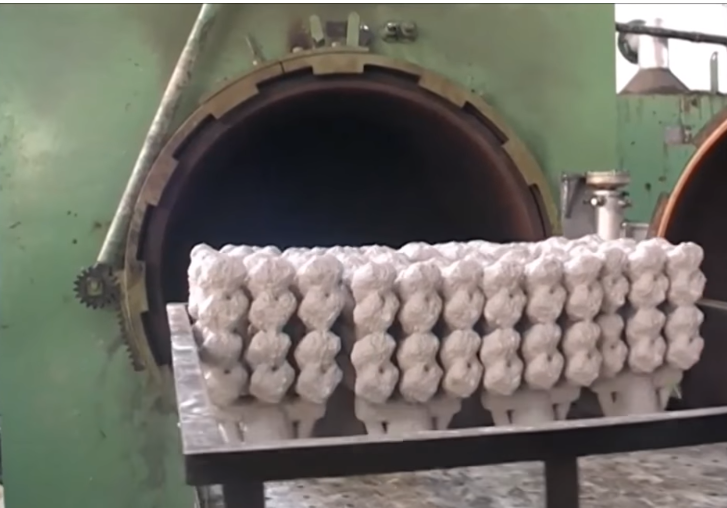
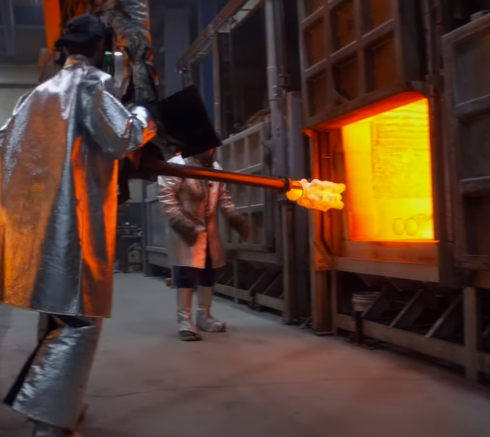
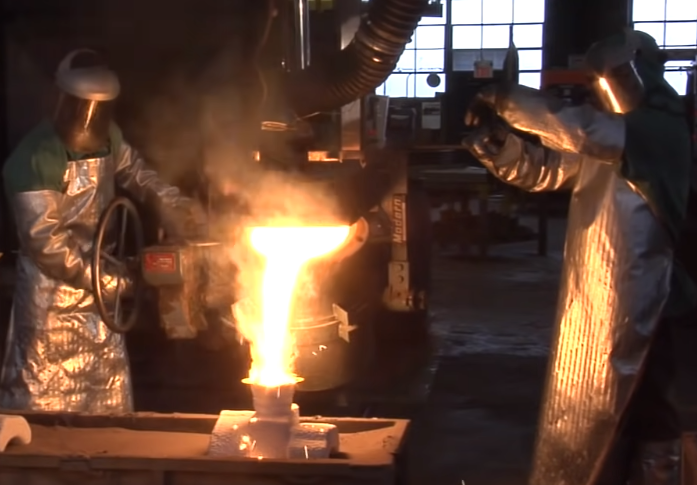
Beide Parteien müssen eng zusammenarbeiten und gemeinsame Anstrengungen unternehmen, um Feinguss von höchster Qualität zu erhalten (Lieferant & Käufer). Vor dem Kauf von Gussteilen müssen Einkäufer einige Zeit in die Entwicklung von Lieferanten investieren. Vor der Konstruktion von Feingussteilen ist neben der Auswahl eines vertrauenswürdigen Feingusslieferanten die Kommunikation zwischen dem Käufer und der Gießerei von entscheidender Bedeutung. Daher sollte die Entwicklung einer langfristigen, für beide Seiten vorteilhaften Zusammenarbeit und positiver interaktiver Beziehungen das Hauptziel von Käufern und Verkäufern sein. Es gibt jetzt zwei Grundtypen von Feinguss-Produktionstechniken. Das eine ist das Wasserglas-Gießverfahren, bei dem eine Art Modellmaterial aus Paraffin und Stearinsäure und eine Wasserglasschale verwendet werden. Das zweite Verfahren verwendet Mittelfrequenz-Induktionsschmelzen, ein schnelles Gießverfahren, hochwertiges Mustermaterial bei mittlerer Temperatur und die gesamte Siliziumsolhülle. Das Wasserglas-Gießverfahren ist kostengünstig, weist jedoch eine schlechte Größengenauigkeit und Oberflächenglätte auf. Es ist eine Herausforderung, ein hohes Maß an Feinguss zu erzeugen, der normalerweise zur Herstellung von Gussteilen aus Kohlenstoffstahl und niedriglegiertem Stahl verwendet wird. Mit dem Kieselsol-Gießverfahren können jedoch Bauteile mit hervorragender Oberflächenqualität und hoher Maßhaltigkeit hergestellt werden. Es kann mit Feinguss auf globaler Ebene konkurrieren oder es sogar übertreffen. Daher müssen Gusseinkäufer zunächst die Produktionstechnologie und die Erkennungstechniken der Gießerei verstehen, um beurteilen zu können, ob die Gießerei Feingussteile in der erwarteten Qualität liefern kann. Darüber hinaus müssen Sie die Managementstruktur und Produktionskapazität der Gießerei kennen, um die rechtzeitige Lieferung von Großaufträgen für hochwertige Gussteile zu gewährleisten.

B. Skizzieren Sie den Feinguss Prozess

Die Anpassungsfähigkeit des Strukturdesigns ist einer der Hauptvorteile des Feingusses. Daher sollte sich der Gusseinkäufer zunächst mit den Gestaltungsprinzipien des Feingussverfahrens vertraut machen. Die Struktur der Teile sollte den Feingussspezifikationen entsprechen, wobei der Schwerpunkt auf dem Erreichen einer gleichmäßigen Wandstärke und der Leichtigkeit der Formtrennung, der Schalenherstellung, des Füllens und der Reinigung liegen sollte. Dadurch werden Lunker durch lokale Überhitzung vermieden und eine günstige Temperaturverteilung und Erstarrungsordnung eingestellt. Um das Füllen, Kühlen und Desoxidieren zu erleichtern, sollten die Ecken des Teils die richtigen runden Ecken haben. Gießtechnisch kompetente Ingenieure, insbesondere bei der Entwicklung neuer Produkte, sollten hinzugezogen werden, um die Gussteilkonstruktion und Materialauswahl sinnvoller zu gestalten, die Gussqualität einfach sicherzustellen und die Kosten für Feingussteile zu senken.

C. Angebotsanfrage und ihre Einzelheiten (RFQ)

RFQ Request for Quotation Investment Casting Supplier Foundry Company in Turkey

Bei der Einreichung einer Anfrage an eine Feingussgießerei sollten Käufer sich bemühen, die Material- und technischen Qualitätsanforderungen genau und gründlich zu beschreiben, einschließlich der erforderlichen Bearbeitungsabschnitte, Bezugspunkte, Wärmebehandlung, Oberflächenbehandlung, Verpackungsanforderungen, Inspektions- und Testgegenstände, und Inspektionsbericht u.a. Es muss angegeben werden, wohin die Lieferung erfolgt, wie viele Gussteile jährlich benötigt werden und wie viel von jeder Bestellung anfällt. Um das Gießereiangebot zu vereinfachen, geben Sie am besten das Gussgewicht mit an. Weitere wichtige Elemente, die berücksichtigt werden müssen, sind der Lieferplan und die Zahlungsbedingungen, die beide zum Zeitpunkt der Anfrage oder des Angebots angegeben werden müssen.

Unnötige Anforderungen erschweren die Herstellung und können sich auch auf die Produktionskosten und den Preis auswirken, was sowohl für den Käufer als auch für die Gießerei nachteilig ist. Anforderungen an die Gussqualität sollten praktisch, angemessen und fair sein, um der Gebrauchsfunktion gerecht zu werden. Die Reihenfolge der Toleranzklassen für Gussgrößen wurde von ISO8062 festgelegt, aber es gibt keine Vorschriften, die auf die Präzisionsklassen für Feinguss angewendet werden sollten. CT5 ist für kleinere Größen unter 50 mm, obwohl CT5 typischerweise für Stahlguss zwischen CT5 und CT7 verwendet wird. Wenn die Größe größer als 100 mm ist, wird es schwierig, eine solche Genauigkeit zu erreichen. Um den ISO8062-Standard zu verwenden, müssen Kunden die Größe des Gussstücks berücksichtigen.

Der Toleranzstandard für Feinguss, der als Referenz für die Maßtoleranz für exportierten Feinguss verwendet werden kann, wurde vom Amerikanischen Feingussverband (ICI) bzw. vom Deutschen Feingussverband (VDG) erstellt. Als allgemeine Toleranz für die Feingussbearbeitung ist ISO2768 der Toleranzstandard für den Metallbearbeitungsprozess. Es ist in einigen Zeichnungen nicht angebracht, ISO2768-mk direkt als allgemeine Gusstoleranz zu verwenden, jedoch ist es für einige Präzisionsgussteile mit Größen kleiner als 60 mm akzeptabel.

D. 2D-Zeichnungs- und 3D-Volumenmodelldaten der Gussteile
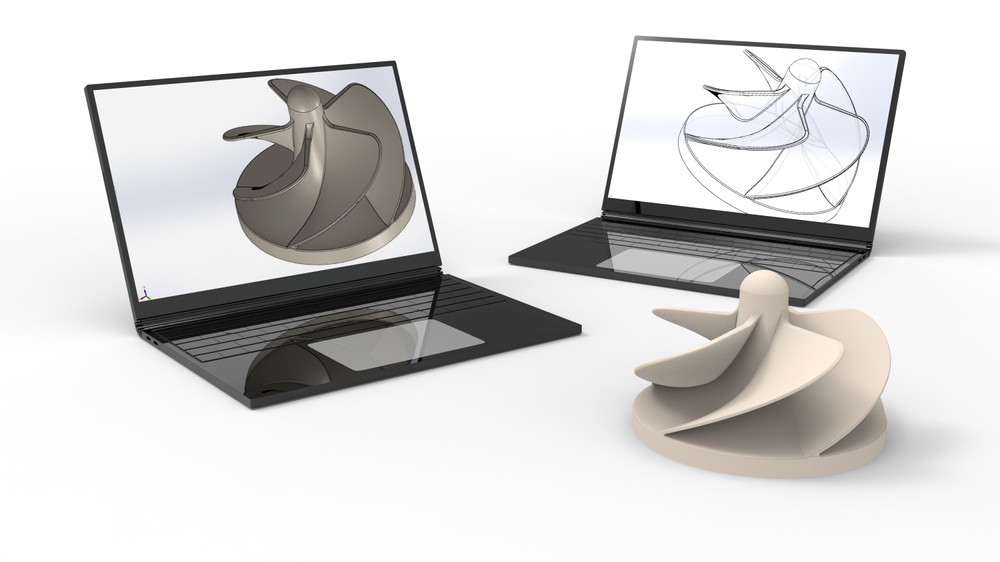
2D drawing and 3D Data Investment Casting Foundry Supplier Company in Turkey

Die grundlegende Grundlage für Angebot und Produktion ist die Teilezeichnung, und ausreichende Details können helfen, Missverständnisse zu vermeiden. Die Bezeichnung des Teils, das Material, die Toleranz, die Oberflächenrauheit, die kritischen Maße, die zulässige Restangusshöhe, die Bearbeitungsbasis, die Bearbeitungsoberfläche, die bearbeitete Oberfläche, der modifizierte Inhalt, die Prüfanforderungen, die Wärmebehandlung, und Oberflächenbehandlungsanforderungen usw. sollten alle deutlich auf detaillierten Zeichnungen dargestellt werden. Wir empfehlen Gusseinkäufern, die fertige Bearbeitungszeichnung und das Gussteil separat abzubilden. Wenn der Kunde Spezifikationen für die Platzierung des inneren Anschnitts, der Trennfläche und des Kolbens hat, muss die Position angegeben werden oder die Anforderung kann nicht in die Zeichnung aufgenommen werden. Für komplexe Gussteile mit unregelmäßigen Formen sollten 3D-Zeichnungen bereitgestellt werden; Dies hilft der Gießerei, die Designs genau zu interpretieren und die Gussform zu erstellen.

E. Musterteile und Form Genehmigungsphase
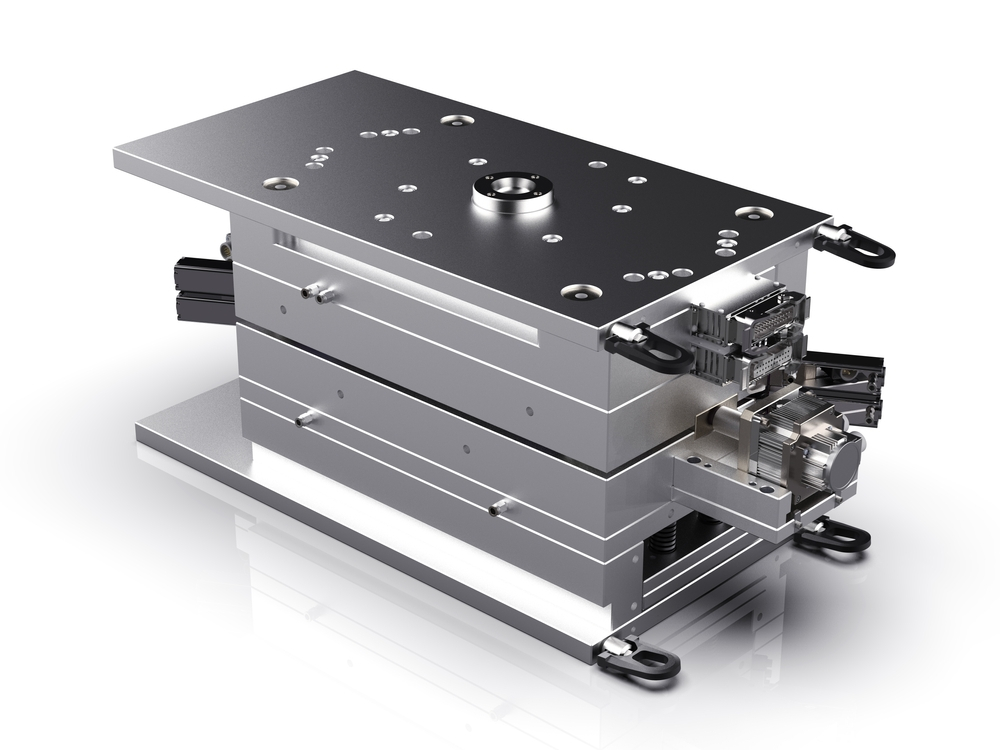
Investment Casting Mold -Mould Manufacturing Supplier Exporter Company in Turkey

Die Feingussproduktion beginnt mit der Konstruktion und Herstellung der Form; Die Kosten für die Herstellung der Form sind in der Regel allein im Angebot enthalten, stellen eine einmalige Ausgabe dar und sollten vom Käufer im Voraus bezahlt werden. Das Formeneigentum gehört natürlich normalerweise dem Käufer. Die Gießerei kann die Form lagern und verwenden, aber beide Parteien sollten sich einigen, bevor sie mit der Form zusammenhängende Geschäfte aufnehmen. Aufgrund von Prozessanforderungen müssen Gießereien, wenn sie das ursprüngliche Zeichnungsdesign ändern müssen, das Gießen abbilden oder Revisionen separat an den Käufer zur Genehmigung senden, bevor sie eine Form erstellen. Wenn die Form vorbereitet ist, muss die Gießerei dem Käufer zunächst Muster geben, damit dieser die Größe und den Zusammenbau prüfen oder die erforderlichen Tests durchführen kann. Der Käufer kann erst dann mit der Massenproduktion beginnen, wenn das Muster die Tests bestanden hat. Bei einigen Abmessungen außerhalb der Toleranz, die die Gebrauchsfunktion nicht beeinträchtigen, können Kunden sie direkt verwenden und müssen die Form nicht anpassen, obwohl es nicht immer sehr einfach ist, einige Größen zu ändern. In dieser Situation ist es vorzuziehen, den Kunden aufzufordern, die Zeichnungstoleranz gemäß den tatsächlichen Mustern zu ändern, oder bei der Bestätigung eines Musters eine schriftliche Notiz anzufordern, um Konflikte während der zukünftigen Massenproduktion zu vermeiden.
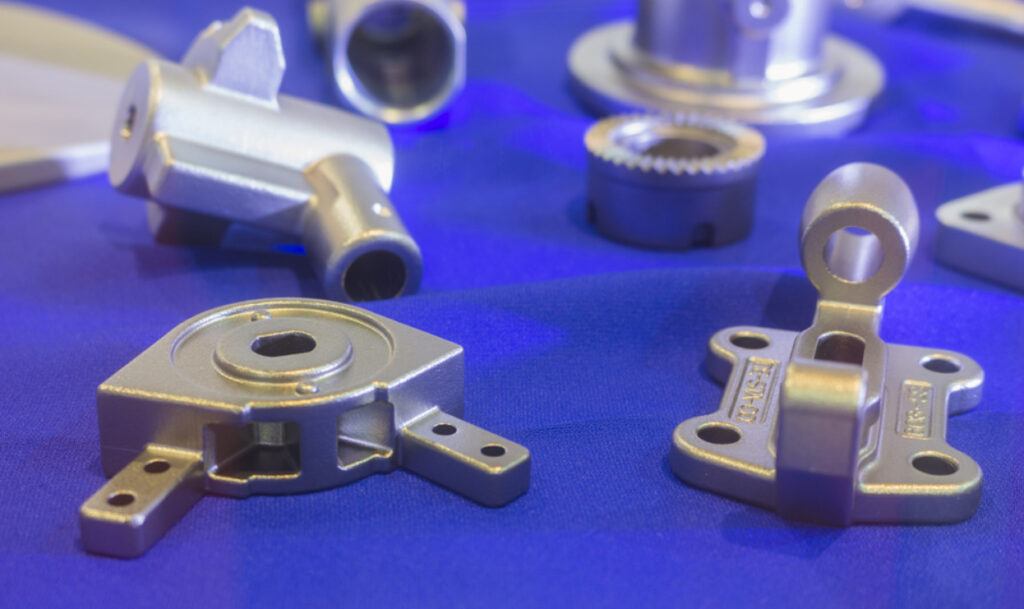
Bei Konstruktionsänderungen nach Zeichnungs- oder Musterprüfung wird ein angemessener Formbefestigungsaufwand veranschlagt. Daher muss der Käufer die Zeichnungen sorgfältig analysieren und eine offene Kommunikation mit dem Hersteller pflegen, bevor er die Form erstellt. Die Gießerei kann nach Vereinbarung mit dem Kunden ein anderes Material mit vergleichbarer oder gleicher Schwindung verwenden, das Muster dient jedoch nur zur Überprüfung der Größe und Geometrie. Für die Massenproduktion wird wieder Zeichenmaterial verwendet. Vor der Massenproduktion muss die Probe erneut bestätigt werden, wenn die Form zwischen Gießereien bewegt wird, da verschiedene Wachsbestandteile, Schalenmaterialien und technologische Faktoren verwendet werden, die die Schwindungsrate beeinflussen könnten.

F. Bestellung aufgeben | Auftrag zur Serienfertigung (PO)

PO Purchase Order Investment Casting Supplier Foundry Company in Turkey

Käufer sollten überprüfen, ob die folgenden Probleme behoben wurden, bevor sie einen Produktionsauftrag für Feinguss erteilen:

  1. Nachdem die Form hergestellt ist, kann sich die Gießerei bei der Massenproduktion von Gussteilen auf nur wenige Schlüsselgrößen konzentrieren, da die Form mehrere Gussteilabmessungen gewährleistet. Die Schlüsselkontrollgröße, der Oberflächenbedarf und die Abnahmekriterien müssen alle im Detail vom Käufer spezifiziert werden. Diese entscheidenden Informationen erleichtern die Qualitätskontrolle während der Produktion und steigern die Produktivität.

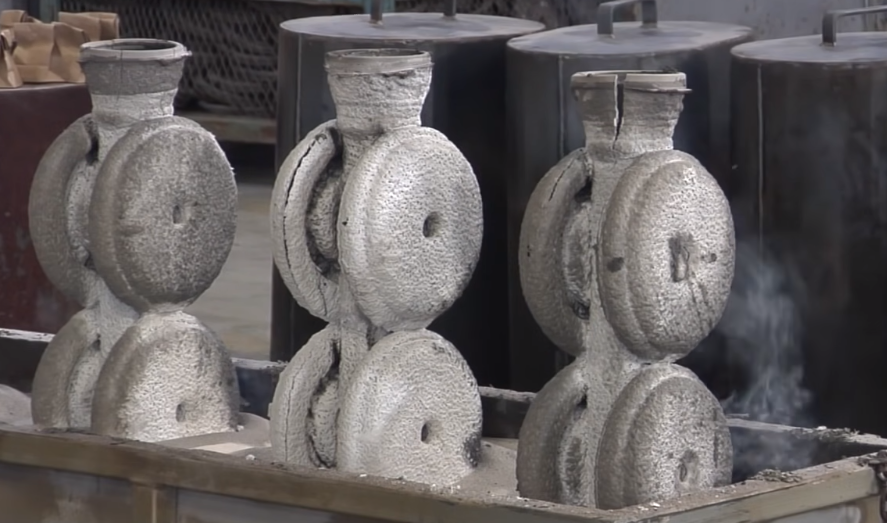
2. Geben Sie Ihre Bestellung frühzeitig auf. Beim Feingussverfahren sind zahlreiche Hilfsoperationen beteiligt, daher ist der Herstellungszyklus langwierig und dauert etwa eine Woche vom Einspritzen bis zum Gießen. Gussteile mit Löchern oder Sacklöchern erfordern eine längere Trocknungszeit vor der Schalenherstellung. Eine unzureichende Trocknungszeit beeinträchtigt die Qualität der Gussoberfläche und kann sogar zu Gussausschuss führen. Gussteile benötigen nach dem Gießen eine ausreichende Abkühlzeit, bevor sie mit der Reinigung fortfahren. Um eine zeitnahe Lieferung zu gewährleisten, sollte sich der Kunde beim Kauf über die erforderliche Rohbau- und Reinigungszeit im Klaren sein.
Guide d’achat de pièces de moulage de précision | Modulus Metal | Fournisseur de pièces de moulage de précision | Entreprise Exportatrice | Fonderie | en Turquie

Investment Lost Wax Casting Pouring Metal Supplier Manufacturer Exporter Foundries Turkey

L’achat de moulage de précision nécessite un haut niveau de professionnalisme. Les acheteurs doivent donc connaître les aspects techniques liés au moulage de précision et être en mesure de s’engager efficacement avec des experts en fonderie. Ici, nous décrivons quelques considérations cruciales pour les clients qui achètent des pièces moulées de précision.

A. Sélection de la fonderie de moulage de précision

Sand Casting Investment Casting Foundry Gray Ductile Nodular Products Parts Manufacturing Machining CNC Supplier in Turkey Turkei

Les deux parties doivent travailler en étroite collaboration et conjuguer leurs efforts pour obtenir des moulages de précision de la plus haute qualité (fournisseur & acheteur). Avant d’acheter des pièces moulées, les acheteurs doivent investir du temps dans le développement de fournisseurs. Avant la conception des pièces moulées à la cire perdue, la communication entre l’acheteur et la fonderie est cruciale, en plus de sélectionner un fournisseur de pièces moulées à la cire perdue digne de confiance. Par conséquent, le développement d’une coopération à long terme et mutuellement bénéfique et de relations interactives positives devrait être l’objectif principal des acheteurs et des vendeurs. Il existe maintenant deux types de base de techniques de production de moulage à la cire perdue. L’un est le processus de moulage du verre soluble, qui utilise un type de matériau de modèle composé de paraffine et d’acide stéarique et d’une coque en verre soluble. La deuxième méthode utilise une fusion par induction à fréquence moyenne, une procédure de coulée rapide, un matériau de modèle à température moyenne de haute qualité et l’ensemble de la coque de sol en silicium. Le processus de coulée de verre soluble est peu coûteux, mais sa précision de taille et son lissé de surface sont médiocres. Il est difficile de générer un niveau élevé de moulage de précision, qui est généralement utilisé pour produire des pièces moulées en acier au carbone et en acier faiblement allié. Cependant, la technique de coulée de sol de silice peut créer des composants avec une excellente qualité de surface et une grande précision dimensionnelle. Il peut concurrencer ou même surpasser les moulages de précision à l’échelle mondiale. Par conséquent, les acheteurs de moulage doivent d’abord comprendre la technologie de production et les techniques de détection de la fonderie afin d’évaluer si la fonderie peut fournir des moulages de précision de la qualité attendue. De plus, vous devez être conscient de la structure de gestion et de la capacité de production de la fonderie pour garantir une livraison rapide des grosses commandes de pièces moulées de haute qualité.

B. Décrire le processus de moulage à la cire perdue

L’adaptabilité de la conception de la structure est l’un des principaux avantages du moulage à la cire perdue. Par conséquent, l’acheteur de moulage doit d’abord se familiariser avec les principes de conception du processus de moulage de précision. La structure des pièces doit être conforme aux spécifications de moulage de précision, en mettant l’accent sur l’obtention d’une épaisseur de paroi constante et la facilité de démoulage, de fabrication de la coque, de remplissage et de nettoyage. En conséquence, les cavités de retrait provoquées par une surchauffe locale seront évitées, et une distribution de température et un ordre de solidification favorables seront établis. Pour faciliter le remplissage, le refroidissement et la désoxydation, le coin de la pièce doit avoir les coins arrondis appropriés. Les ingénieurs compétents dans le processus de coulée, en particulier lors de la conception de nouveaux produits, devraient être inclus afin de rendre la conception de la coulée et la sélection des matériaux plus raisonnables, de simplifier la garantie de la qualité de la coulée et de réduire le coût des moulages de précision.

C. RFQ et ses détails

RFQ Request for Quotation Investment Casting Supplier Foundry Company in Turkey

Lors de la soumission d’une demande de prix à une fonderie de moulage de précision, les acheteurs doivent s’efforcer de décrire avec précision et en détail les exigences de qualité matérielle et technique, y compris les sections d’usinage nécessaires, la référence de localisation, le traitement thermique, le traitement de surface, les exigences d’emballage, les éléments d’inspection et de test, et rapport d’inspection, entre autres. Il doit être indiqué où la livraison aura lieu, combien de pièces moulées sont nécessaires chaque année et quelle quantité de chaque commande il y aura. Pour faciliter le devis de la fonderie, il est préférable d’inclure le poids de la fonderie. D’autres éléments cruciaux à prendre en compte sont le calendrier de livraison et les conditions de paiement, qui doivent tous deux être mentionnés au moment de l’enquête ou du devis.

Des exigences inutiles rendront la fabrication plus difficile et peuvent également avoir un impact sur les coûts de production et le prix, ce qui est mauvais tant pour l’acheteur que pour la fonderie. Les exigences concernant la qualité de la coulée doivent être pratiques, appropriées et équitables afin de répondre à la fonction d’utilisation. La séquence de grades de tolérance pour les tailles de moulage a été établie par la norme ISO8062, mais il n’y a pas de réglementation qui devrait être appliquée aux nuances de précision pour le moulage à la cire perdue. CT5 est pour les petites tailles inférieures à 50 mm, bien que CT5 soit généralement utilisé pour les pièces moulées en acier entre CT5 et CT7. Si la taille est supérieure à 100 mm, il sera difficile d’atteindre une telle précision. Afin d’utiliser la norme ISO8062, les clients doivent tenir compte de la taille de la pièce coulée.

La norme de tolérance pour le moulage de précision, qui peut être utilisée comme référence pour la tolérance de taille pour les moulages de précision exportés, a été créée respectivement par l’association américaine de moulage de précision (ICI) et l’association allemande de moulage de précision (VDG). En tant que tolérance générale pour l’usinage de fonderie de précision, ISO2768 est la norme de tolérance pour le processus d’usinage des métaux. Il n’est pas approprié dans certains dessins d’utiliser directement ISO2768-mk comme tolérance générale de coulée, mais cela est acceptable pour certaines pièces coulées de précision avec des tailles inférieures à 60 mm.

D. Dessin 2D et données de modèle solide 3D des pièces moulées

2D drawing and 3D Data Investment Casting Foundry Supplier Company in Turkey

La base de base pour le devis et la production est le dessin de la pièce, et des détails suffisants peuvent aider à éviter les malentendus. Le nom de la pièce, le matériau, la tolérance, la rugosité de surface, les dimensions critiques, la hauteur de porte résiduelle autorisée, la base de traitement, la surface de traitement, la surface usinée, le contenu modifié, les exigences d’inspection, le traitement thermique et les exigences de traitement de surface, etc. doivent toutes être clairement affichées sur des dessins détaillés. Nous conseillons aux acheteurs de moulage de cartographier séparément le dessin d’usinage fini et le moulage. Lorsque le client a des spécifications pour le placement de la porte interne, de la surface de séparation et du plongeur, l’emplacement doit être spécifié ou l’exigence ne peut pas être incluse dans le dessin. Pour les moulages complexes aux formes irrégulières, des dessins 3D doivent être fournis ; cela aidera la fonderie à interpréter les conceptions avec précision et à créer le moule de coulée.

E. Échantillon de pièces et étape d’approbation du moule

Investment Casting Mold -Mould Manufacturing Supplier Exporter Company in Turkey

La production de moulage de précision commence par la conception et la fabrication du moule ; le coût de production du moule est généralement inclus dans le devis seul, est une dépense unique et doit être payé à l’avance par l’acheteur. Naturellement, la propriété du moule appartient normalement à l’acheteur. La fonderie peut stocker et utiliser le moule, mais les deux parties doivent parvenir à un accord avant de commencer toute activité liée au moule. En raison des exigences de processus, lorsque les fonderies doivent modifier la conception du dessin initial, elles doivent cartographier la coulée ou envoyer séparément les révisions à l’acheteur pour approbation avant de créer un moule. Lorsque le moule est préparé, la fonderie doit d’abord remettre des échantillons à l’acheteur afin qu’il puisse contrôler la taille, l’assemblage ou effectuer les tests nécessaires. L’acheteur ne peut commencer la fabrication en série que lorsque l’échantillon a réussi les tests. Pour certaines dimensions hors tolérances qui ne nuisent pas à la fonction d’utilisation, les clients peuvent les utiliser directement et n’ont pas besoin d’ajuster le moule, malgré le fait qu’il n’est pas toujours très simple de modifier certaines tailles. Dans cette situation, il est préférable de demander au client de modifier la tolérance de dessin conformément aux échantillons réels, ou de demander une note écrite lors de la confirmation d’un échantillon, afin d’éviter un conflit lors d’une future production de masse.

Si la conception est modifiée après l’examen du dessin ou de l’échantillon, un coût de fixation du moule approprié sera évalué. Par conséquent, l’acheteur doit analyser soigneusement les dessins et maintenir une communication ouverte avec le fabricant avant de créer le moule. La fonderie peut utiliser un type de matériau différent avec un taux de retrait comparable ou identique après avoir conclu un accord avec le client, mais l’échantillon ne sera utilisé que pour vérifier la taille et la forme géométrique. Une fois de plus, les matériaux de dessin seront utilisés pour la production de masse. Avant la production en série, l’échantillon doit être reconfirmé lorsque le moule est déplacé entre les fonderies en raison de l’utilisation de divers ingrédients de cire, de matériaux de coque et de facteurs technologiques qui pourraient influencer le taux de retrait.

F. Passer une commande | Bon de commande pour la production en série de masse (PO)

PO Purchase Order Investment Casting Supplier Foundry Company in Turkey

Les acheteurs doivent vérifier que les problèmes suivants ont été résolus avant de passer une commande de production pour le moulage à la cire perdue :

  1. Une fois le moule fabriqué, la fonderie peut se concentrer uniquement sur quelques tailles clés tout en produisant des pièces moulées en masse, car le moule assurera plusieurs dimensions de coulée. La taille du contrôle clé, la surface requise et les critères d’acceptation doivent tous être spécifiés en détail par l’acheteur. Ces informations cruciales faciliteront le contrôle de la qualité pendant la production et augmenteront la productivité.


2. Passez la commande tôt. Il existe de nombreuses opérations auxiliaires impliquées dans le processus de moulage à la cire perdue, ainsi le cycle de fabrication est long et prend environ une semaine de l’injection au coulage. Les moulages avec des trous ou des trous borgnes nécessiteront plus de temps de séchage avant la production de la coquille. La qualité de la surface de coulée sera affectée par un temps de séchage insuffisant, et cela peut même entraîner des chutes de coulée. Les moulages nécessitent un temps de refroidissement suffisant après le coulage avant de passer au nettoyage. Afin d’assurer une livraison rapide, le client doit être conscient du temps de fabrication et de nettoyage de la coque requis lors de l’achat.

Investment Casting Parts Purchasing Guide | Modulus Metal | Investment Casting Parts Supplier | Exporter Company | Foundry | in TURKEY

Investment Lost Wax Casting Pouring Metal Supplier Manufacturer Exporter Foundries Turkey

Investment casting purchasing requires a high level of professionalism, thus buyers must be knowledgeable about investment casting’s related technical aspects and be able to effectively engage with foundry experts. Here, we outline some crucial considerations for customers purchasing precision investment castings.

A. Selection of Investment Casting Foundry

Both parties must work closely together and put up joint efforts in order to obtain investment castings of the utmost quality (supplier & purchaser). Before buying castings, buyers must invest some time in developing suppliers. Prior to the design of investment castings, communication between the purchaser and foundry is crucial, in addition to selecting a trustworthy investment casting supplier. As a result, developing long-term, mutually beneficial cooperation and positive interactive relationships should be the main goal of buyers and sellers. There are now two basic types of investment casting production techniques. One is the water glass casting process, which uses a type of pattern material made of paraffin and stearic acid and a water glass shell. The second method uses medium frequency induction melting, a rapid pouring procedure, high quality medium temperature pattern material, and the entire silicon sol shell. The water glass casting process is inexpensive, but it has poor size accuracy and surface smoothness. It is challenging to generate a high level of investment casting, which is usually utilized to produce carbon steel and low alloy steel castings. However, the silica sol casting technique can create components with excellent surface quality and high dimensional precision. It can compete with or even outperform investment castings on a global scale. Therefore, casting buyers must first comprehend the foundry’s production technology and detecting techniques in order to assess if the foundry can provide investment castings of the anticipated quality. Additionally, you must be aware of the foundry’s management structure and production capacity to guarantee timely delivery of large orders for high-quality castings.

B. Outline the Investment Casting Process

The adaptability of the structure design is one of the key benefits of investment casting. Therefore, the casting buyer should first become familiar with the investment casting process’ design principles. The parts’ structure should be in accordance with investment casting specifications, with an emphasis on achieving consistent wall thickness and ease of mold release, shell fabrication, filling, and cleaning. As a result, shrinkage cavities brought on by local overheating will be avoided, and a favorable temperature distribution and solidification order will be established. To make filling, cooling, and deoxidization easier, the part’s corner should have the proper casting round corners. Engineers who are competent in the casting process, particularly when designing new products, should be included in order to make casting design and material selection more reasonable, make it simple to ensure casting quality, and lower the cost of investment castings.

C. RFQ and Its Details

RFQ Request for Quotation Investment Casting Supplier Foundry Company in Turkey

When submitting an RFQ to an investment casting foundry, buyers should make an effort to accurately and thoroughly describe the material and technical quality requirements, including the necessary machining sections, locating datum, heat treatment, surface treatment, packaging requirement, inspection and test items, and inspection report, among other things. It must be stated where the delivery will take place, how many castings are needed annually, and how much of each order there will be. To make the foundry quote easier, it is best to include the casting weight. Other crucial elements to take into account are the delivery schedule and the terms of payment, both of which must to be mentioned at the time of enquiry or quotation.

Unnecessary requirements will make manufacturing more difficult and may also have an impact on production costs and price, which is bad for both the buyer and the foundry. Requirements regarding the casting quality should be practical, appropriate, and fair in order to meet the use function. The tolerance grade sequence for casting sizes has been established by ISO8062, but there are no regulations that should be applied to the precision grades for investment casting. CT5 is for smaller sizes less than 50mm, although CT5 is typically used for steel castings between CT5 and CT7. If the size is greater than 100mm, it will be challenging to achieve such accuracy. In order to use the ISO8062 standard, customers must take the casting’s size into account.

The tolerance standard for investment casting, which can be used as the reference for size tolerance for exported investment castings, was created by the American association of investment casting (ICI) and the German association of investment casting (VDG), respectively. As a general tolerance for investment casting machining, ISO2768 is the tolerance standard for the metal machining process. It is not appropriate in some drawings to use ISO2768-mk as the general casting tolerance directly, however it is acceptable for some precision castings with sizes smaller than 60mm.

D. 2D Drawing and 3D Solid Model Data of the Casting Parts

2D drawing and 3D Data Investment Casting Foundry Supplier Company in Turkey

The basic base for quotation and production is the part drawing, and sufficient details might help to prevent misunderstandings. The name of the part, the material, the tolerance, the surface roughness, the critical dimensions, the permissible residual gate height, the processing base, the processing surface, the machined surface, the modify content, the inspection requirements, the heat treatment and surface treatment requirements, etc. should all be clearly displayed on detailed drawings. We advise casting buyers to map the finished machining drawing and the casting separately. When the customer has specifications for the placement of the internal gate, the separating surface, and the plunger, the location must be specified or the requirement cannot be included in the drawing. For complex castings with irregular shapes, 3D drawings should be provided; this will help the foundry interpret the designs accurately and create the casting mold.

E. Sample Parts and Mold Approval Stage

Investment casting production begins with the design and manufacture of the mold; the cost of producing the mold is typically included in the quotation alone, is a one-time expense, and should be paid in advance by the buyer. Naturally, mold ownership normally belongs to the buyer. The foundry may store and utilize the mold, but both parties should come to an agreement before beginning any mold-related business. Due to process requirements, when foundries must alter the initial drawing design, they must map casting or separately send revisions to the buyer for approval before creating a mold. When the mold is prepared, the foundry must first give the buyer samples so they may inspect the size, assembly, or conduct the necessary tests. The buyer can only begin mass manufacturing when the sample passes testing. For some out-of-tolerance dimensions that won’t impair usage function, customers can use them directly and don’t need to adjust the mold, despite the fact that it’s not always very simple to modify some sizes. In this situation, it is preferable to request that the customer change the drawing tolerance in accordance with actual samples, or to request a written note when confirming a sample, in order to avoid a conflict during future mass production.

If the design is changed after the drawing or sample has been examined, an appropriate mold-fixing cost will be assessed. Therefore, the purchasing party must carefully analyze the drawings and maintain open communication with the manufacturer prior to creating the mould. The foundry may utilize a different type of material with a comparable or identical shrinkage rate after reaching an agreement with the customer, but the sample will only be used to check the size and geometry shape. Once more, drawing materials will be used for mass production. Prior to mass production, the sample must be reconfirmed when the mold is moved between foundries due to the use of various wax ingredients, shell materials, and technological factors that could influence the shrinkage rate.

F. Placing an order | PO for Mass-Serial Production

PO Purchase Order Investment Casting Supplier Foundry Company in Turkey

Purchasers should verify that the following issues have been addressed before placing a production order for investment casting:

  1. After the mold is made, the foundry may focus just on a few key sizes while mass producing castings because the mold will ensure multiple casting dimensions. The key control size, surface requirement, and acceptance criteria must all be specified in detail by the buyer. This crucial information will facilitate quality control during production and boost productivity.
  2. Place order early. There are numerous auxiliary operations involved in the investment casting process, thus the manufacturing cycle is lengthy and takes about a week from injection to pouring. Castings with holes or blind holes will require more drying time before shell production. The quality of the casting surface will be impacted by insufficient drying time, and it may even result in casting scrap. Castings require sufficient cooling time after pouring before moving on to cleanup. In order to ensure prompt delivery, the customer should be aware of the required shell-manufacturing and cleaning time when making a purchase.

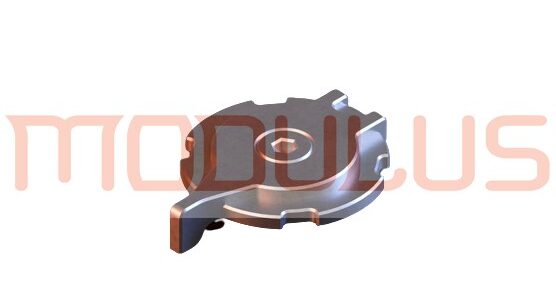
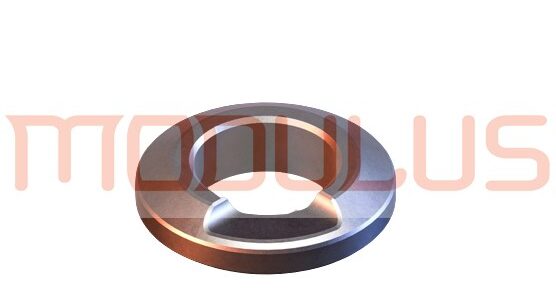
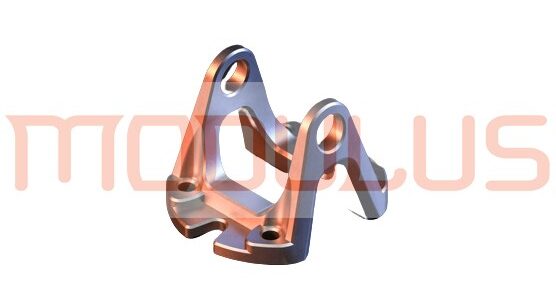
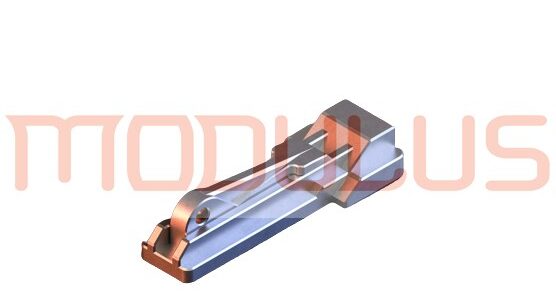
SAMPLES OF INVESTMENT CASTING PARTS MANUFACTURED BY MODULUS METAL

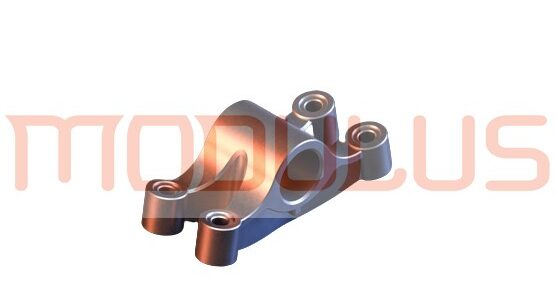
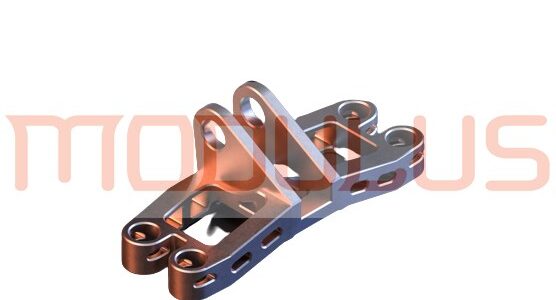
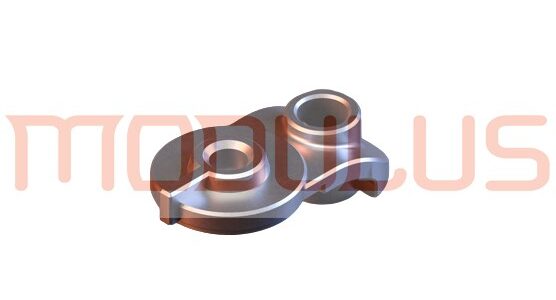
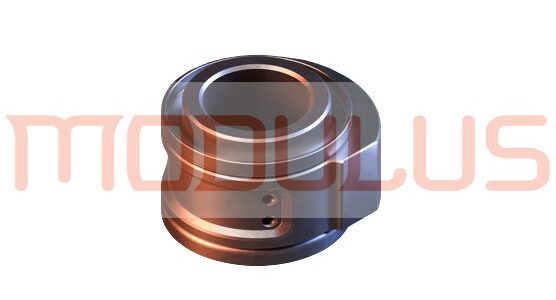
Investment_Casting_Parts_Machinery_Automotive_Agricultural_Energy_Medical_Defence_Foundry_in_Turkey-Modulus_Metal-removebg-preview (1)Investment_Casting_Component_Part_Machinery_Automotive_Agricultural_Energy_Medical_Defence_Foundry_in_Turkey-Modulus_MetalInvestment_Casting_Components_Parts_Machinery_Automotive_Agricultural_Energy_Medical_Defence_Foundry_in_TurkeyInvestment_Casting_Component_Parts_Machinery_Automotive_Agricultural_Energy_Medical_Defence_Foundry_in_Turkey-Modulus_MetalLost_Wax_Investment_Casting_Parts_Automotive_Machinery_Agricultural_Defence_Energy_Medical_Foundry_in_Turkey-Modulus_MetalModulus_Metal_Investment_Casting_Part_Automotive_Machinery_Agricultural_Defence_Energy_Medical_Foundry_in_Turkey_TurquieModulus_Metal_Investment_Casting_Precision_Parts_Automotive_Agricultural_Machinery__Defence_Energy_Medical_Foundry_in_TurkeyModulus_Metal_Lost_Wax_Precision_Investment_Casting_Parts_Foundry_Supplier_Company_in_TurkeyPrecision_Investment_Casting_Parts_Automotive_Machinery_Agricultural_Defence_Energy_Medical_Foundry_in_Turkey-Modulus_Metal_TurkiyeModulus_Metal_Turkiye_Energy_Defence_Medical_Automotive_Lost_Wax_Precision_Investment_Casting_Parts_Foundry_Supplier_Company_in_TurkeyModulus_Metal_Investment_Casting_Parts_Automotive_Machinery_Agricultural_Defence_Energy_Medical_Foundry_in_Turkey_TurquieModulus_Metal_Investment_Casting_Manufacturing_Parts_Automotive_Machinery_Agricultural_Defence_Energy_Medical_Foundry_in_Turkey_TürkeiModulus_Metal_Investment_Casting_Parts_Automotive_Energy_Machinery_Agricultural_Defence_Medical_Foundry_in_Turkey_TurquieInvestment_Casting_Precision_Parts_Automotive_Machinery_Agricultural_Defence_Energy_Medical_Foundry_in_Turkey-Modulus_MetalInvestment_Casting_Parts_Machinery_Automotive_Agricultural_Defence_Energy_Medical_Foundry_in_Turkey-Modulus_MetalInvestment_Casting_Machinery_Manufacturing_Defense_Automotive__Energy_Agricultural_Medical_Component_Foundry_in_Turkey-Modulus_MetalInvestment_Casting_Machinery_Manufacturing_Defense_Automotive__Energy_Agricultural_Medical_Parts_Foundry_in_Turkey-Modulus_MetalInvestment_Casting_Parts_Machinery_Defense_Manufacturing_Automotive___Energy_Agricultural_Medical_Foundry_in_Turkey-Modulus_MetalInvestment_Casting_Parts_Machinery_Manufacturing_Automotive__Defence_Energy_Agricultural_Medical_Foundry_in_Turkey-Modulus_MetalInvestment_Casting_Parts_Machinery_Manufacturing_Automotive__Defence_Energy_Medical_Agricultural_Foundry_in_Turkey-Modulus_MetalInvestment_Casting_Parts_Machinery_Manufacturing_Automotive__Energy_Agricultural__Medical_Defense_Foundry_in_TurkeyInvestment_Casting_Parts_Machinery_Automotive_Agricultural_Defence_Energy_Medical_Foundry_in_TurkeyInvestment_Casting_Components_Parts_Machinery_Automotive_Agricultural_Energy_Medical_Defence_Foundry_in_Turkey-Modulus_MetalInvestment_Casting_Component_Parts_Machinery_Automotive_Agricultural_Energy_Medical_Defence_Foundry_in_TurkeyInvestment_Casting_Component_Part_Machinery_Automotive_Agricultural_Energy_Medical_Defence_Foundry_in_Turkey-Modulus_MetalInvestment_Casting_Parts_Machinery_Automotive_Agricultural_Energy_Medical_Defence_Foundry_in_Turkey-Modulus_Metal-removebg-preview (1)Investment_Casting_Parts_Machinery_Manufacturing_Automotive_Agricultural_Defence_Energy_Medical_Foundry_in_Turkey-Modulus MetalInvestment_Casting_Parts_Machinery_Manufacturing_Automotive__Energy_Agricultural_Defense_Medical_Foundry_in_Turkey-Modulus_Metal

Évaluations des capacités des fournisseurs | Service de qualification et de sélection des fournisseurs | Modulus Metal | en Turquie

Capacity-Assessment-Audit-Suppliers-Selection-Qualification-Audits-Reporting-Modulus-Metal-Service-in-Turkey

Les services d’évaluation des capacités offerts par Modulus Metal sont une évaluation de la capacité d’un fournisseur à répondre durablement aux besoins contractuels et opérationnels actuels et futurs en fonction de ses restrictions techniques, physiques et de compétences.

Supplier Capability Audit Supplier Qualification and Selection Service Modulus Metal in TURKEY

Les évaluateurs qualifiés et les professionnels de la gestion des contrats de Modulus Metal conçoivent, mesurent et rendent compte des capacités de performance contractuelles et opérationnelles pour les évaluations uniques ainsi que pour les programmes entièrement gérés. Les clients de Modulus Metal sont en mesure d’identifier si les fournisseurs ont l’infrastructure en place pour répondre à leurs exigences de performances contractuelles et opérationnelles grâce à des évaluations de capacité, qui offrent également une échelle de maturité et un score pour le suivi du développement.

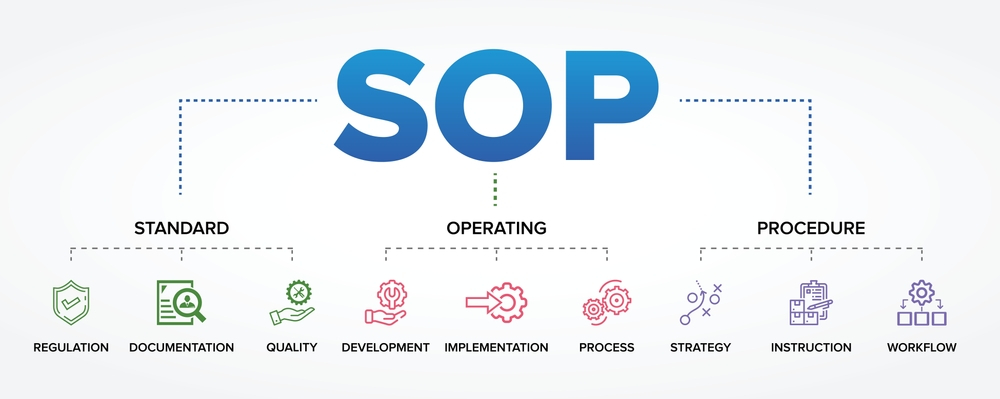
Supplier Qualification and Selection Standard Opiating Procedure SOP Modulus Metal in TURKEY

Les services offerts par Modulus Metal utilisent les compétences fondamentales suivantes en fonction des besoins du client :

Supplier Capability Assessments Supplier Qualification and Selection Service Modulus Metal in TURKEY

DES EMPLOYÉS

Ressources sur le terrain ayant de l’expérience et des antécédents qui sont capables de planifier, d’exécuter, de rapporter et de suivre toutes les tâches liées à l’évaluation

PROCESSUS D’ÉVALUATION

Des modules de travail standard avec des formulaires et des listes de contrôle qui ont été approuvés par l’industrie.

Supplier Qualification Audits CMMI Standard Operating Procedure SOP Modulus Metal in TURKEY
Supplier Capability Assessments Supplier Qualification and Selection Service Audits Modulus Metal in TURKEY

RAPPORTS

Le format de rapport détaillé sur les performances des fournisseurs fournit une analyse réelle du statut et des performances des fournisseurs.

NOTATION DES CAPACITÉS

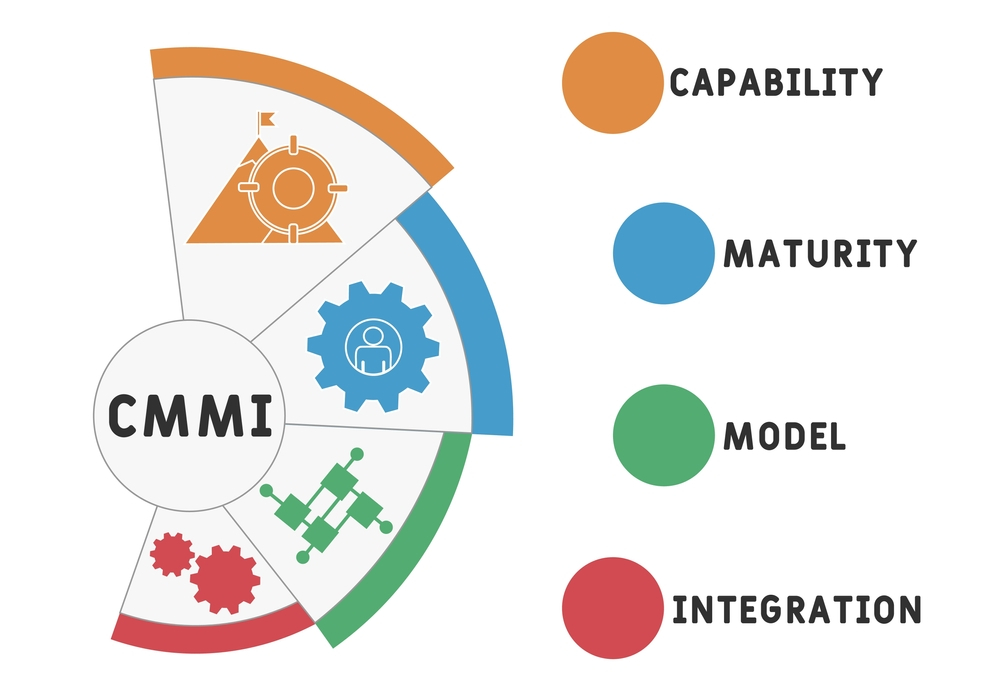
L’une des stratégies d’évaluation des capacités des fournisseurs utilisées par Modulus Metal Modulus est une stratégie CMMI .

Supplier Qualification and Selection Service Capability Model Integration Modulus Metal in TURKEY
Service de qualification et de sélection des fournisseurs | 
Intégration du modèle de capacité | 
Modulus Metal | 
en Turquie

Le programme et service de formation et d’évaluation de l’amélioration des processus connu sous le nom de Capability Maturity Model® Integration (CMMI) est géré par l’Université Carnegie Mellon. Le terme « maturité » fait référence au niveau de formalité et d’optimisation des processus, allant des procédures ad hoc aux phases explicitement spécifiées, aux mesures de résultats surveillées et à l’optimisation active des processus.

Les composants fondamentaux de processus efficaces sont fournis aux organisations par la méthode CMMI pour l’amélioration des processus. Il est appliqué aux projets et aux organisations pour orienter l’amélioration des processus. Le CMMI fournit une orientation pour les processus de qualité, établit des objectifs et des priorités pour l’amélioration des processus et sert de point de comparaison pour évaluer les processus actuels. Il aide également à l’intégration de rôles organisationnels historiquement distincts.

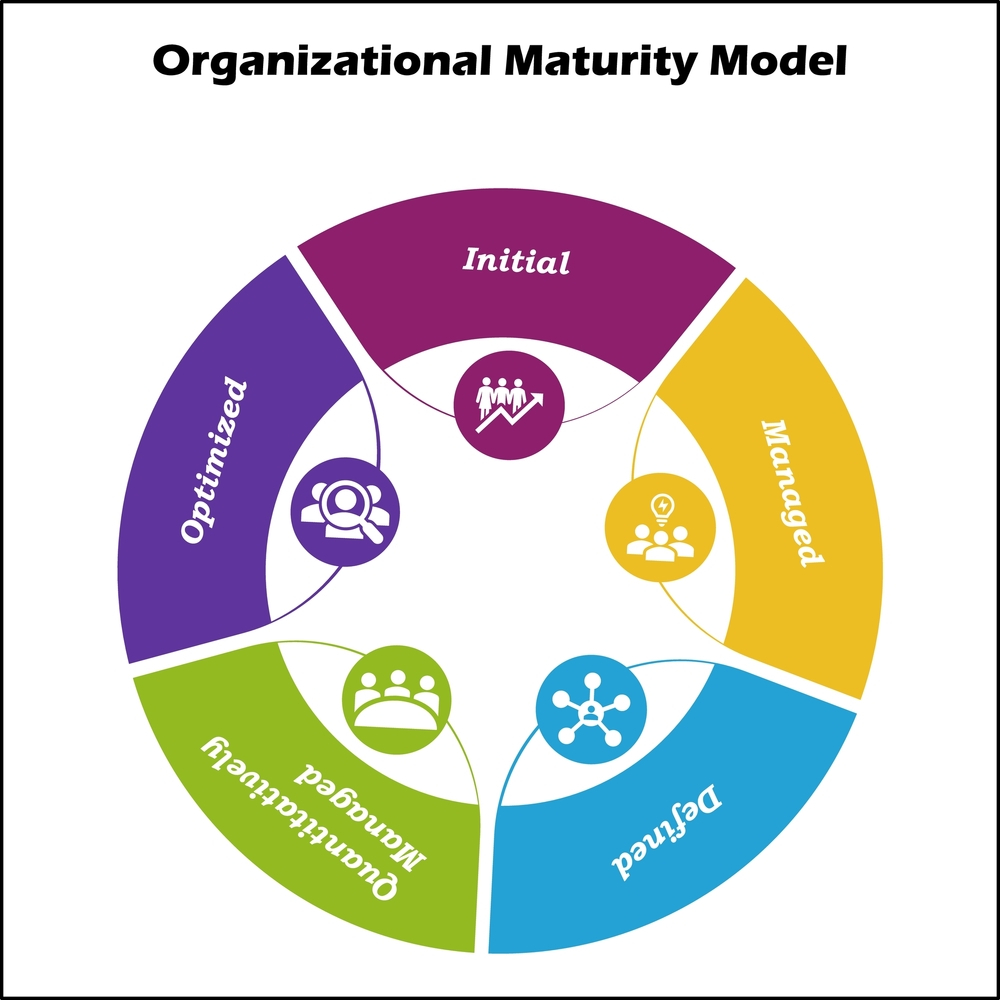
Les cinq degrés de maturité CMMI sont :

Supplier Qualification and Selection Service Organizational Maturity Model Modulus Metal in TURKEY

Initial : Les processus sont considérés comme réactifs, incontrôlables et imprévisibles. L’environnement des entreprises à ce stade est imprévisible, ce qui augmente les risques et l’inefficacité.

Géré : les processus sont caractérisés par des projets et sont souvent réactifs

Défini : Les caractéristiques et le fonctionnement des processus sont bien connus. L’entreprise est moins réactive et plus proactive, et elle a des standards internes qui servent de guide.

Géré quantitativement : la mesure et le contrôle des processus. Afin d’établir des procédures prévisibles qui permettent d’atteindre les objectifs organisationnels, l’entreprise utilise des données quantitatives.

Optimisation : Un processus peut être à la fois flexible et stable. Les priorités organisationnelles s’adaptent aux changements et aux progrès continus.

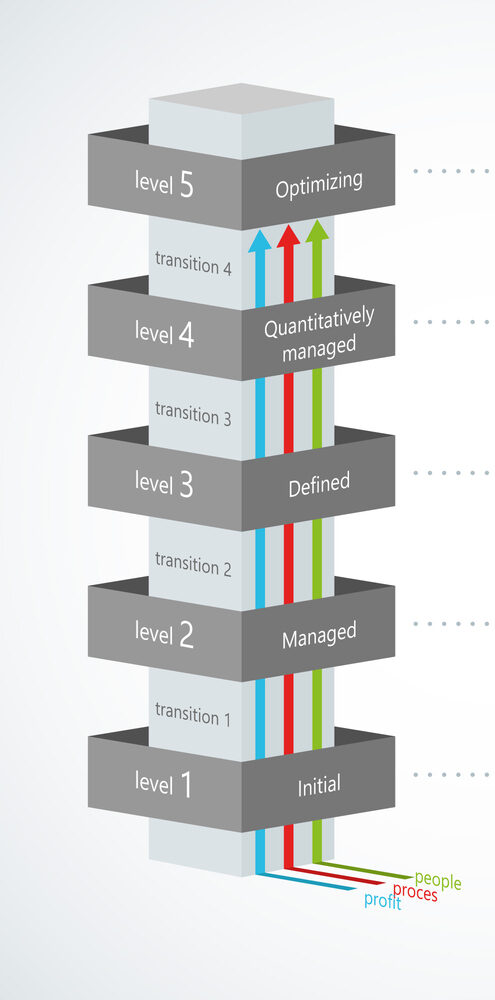
NIVEAUX DE FOURNISSEURS

Supplier Qualification Selection Services CMMI Maturity Levels Modulus Metal in TURKEY

Fournisseur de niveau 5 : un système de fournisseur optimisé est disponible. Excellent en classe, amélioration continue entièrement mise en œuvre, engageant toutes les parties.

Fournisseur de niveau 4 : un système de fournisseur prévisible est disponible. Bien que cela ne soit pas systématique dans tous les processus, domaines et/ou produits, le fournisseur a une performance d’améliorations proactives vers les objectifs visés.

Fournisseur de niveau 3 : Les systèmes du fournisseur sont définis, mis en pratique et réussis. De bonnes performances constantes sont possibles mais pas encore prévisibles.

Fournisseur de niveau 2 : bien qu’il existe un système de fournisseurs défini et utilisé, mais pas totalement efficace ou non utilisé dans l’ensemble de l’entreprise.

Fournisseur de niveau 1 : Un système de fournisseur défini et capable n’est pas disponible.

AVANTAGES DES CLIENTS

Sélection et qualification fiables des fournisseurs
Identifier les risques juridiques, opérationnels ou techniques potentiels qui peuvent affecter la continuité des activités
Analyser la préparation du fournisseur aux changements de la demande de production
Calcul du score fournisseur, niveau et évolution du suivi
Supplier Capability Assessments Audit Factory Supplier Qualification and Selection Service Modulus Metal in TURKEY

MODULUS METAL FOURNIT

Sur la base des exigences particulières des clients, les services d’évaluation des capacités des meilleures pratiques
Évaluations individuelles de programmes entièrement gérés
Évaluateurs qualifiés et expérimentés
Des indicateurs de performance détaillés et spécifiques
Supplier Capability Assessments Audit Supplier Qualification and Selection Service Modulus Metal in TURKEY
Supplier Qualification CMMI Standard Operating Procedure SOP Modulus Metal in TURKEY

Bewertung der Lieferantenfähigkeit | Qualifizierungs- und Auswahlservice für Lieferanten | Modulus Metal | in der Türkei

Supplier Capability Assessments Supplier Qualification and Selection Service Modulus Metal in TURKEY

Die von Modulus Metal angebotenen Dienstleistungen zur Fähigkeitsbewertung sind eine Bewertung der Fähigkeit eines Lieferanten, aktuelle und zukünftige vertragliche und betriebliche Anforderungen auf der Grundlage seiner technischen, physischen und Kompetenzbeschränkungen nachhaltig zu erfüllen.

Supplier Capability Audit Supplier Qualification and Selection Service Modulus Metal in TURKEY

Die qualifizierten Assessoren und Vertragsmanagement-Experten von Modulus Metal entwerfen, messen und berichten über die vertraglichen und betrieblichen Leistungsfähigkeiten für Einzelbewertungen sowie vollständig verwaltete Programme. Kunden von Modulus Metal können dank Fähigkeitsbewertungen, die auch eine Reifeskala und eine Punktzahl zur Verfolgung der Entwicklung bieten, feststellen, ob Lieferanten über die Infrastruktur verfügen, um ihre Anforderungen an die vertragliche und betriebliche Leistung zu erfüllen.

Supplier Qualification and Selection Standard Opiating Procedure SOP Modulus Metal in TURKEY

Die von Modulus Metal angebotenen Dienstleistungen nutzen die folgenden grundlegenden Kompetenzen in Übereinstimmung mit den Kundenbedürfnissen:

Supplier Capability Assessments Audit Factory Supplier Qualification and Selection Service Modulus Metal in TURKEY

ANGESTELLTE

Ressourcen auf diesem Gebiet mit Erfahrung und Erfolgsbilanz, die in der Lage sind, alle bewertungsbezogenen Aufgaben zu planen, auszuführen, zu melden und nachzuverfolgen

BEWERTUNGSVERFAHREN

Standardarbeitspakete mit Formularen und Checklisten, die von der Industrie genehmigt wurden.

Supplier Qualification Audits CMMI Standard Operating Procedure SOP Modulus Metal in TURKEY
Supplier Capability Assessments Supplier Qualification and Selection Service Audits Modulus Metal in TURKEY

BERICHTERSTATTUNG

Das detaillierte Berichtsformat für die Lieferantenleistung bietet eine echte Status- und Leistungsanalyse der Lieferanten.

FÄHIGKEITSBEWERTUNG

Eine der von Modulus Metal Modulus verwendeten Strategien zur Bewertung der Lieferantenfähigkeit ist eine CMMI-Strategie.

Supplier Qualification and Selection Service Capability Model Integration Modulus Metal in TURKEY
Integration des Fähigkeitsmodells für die Lieferantenqualifizierung und -auswahl | Modulus Metal in der TÜRKEI

Das als Capability Maturity Model® Integration (CMMI) bekannte Schulungs- und Bewertungsprogramm und der Service zur Prozessverbesserung wird von der Carnegie Mellon University durchgeführt. Der Begriff „Reife“ bezieht sich auf den Grad der Formalität und Prozessoptimierung, der von Ad-hoc-Verfahren über explizit festgelegte Phasen, überwachte Ergebnismetriken bis hin zur aktiven Prozessoptimierung reicht.

Die grundlegenden Komponenten effizienter Prozesse werden Organisationen durch die CMMI-Methode zur Prozessverbesserung bereitgestellt. Es wird auf Projekte und Organisationen angewendet, um die Prozessverbesserung zu steuern. CMMI gibt die Richtung für Qualitätsprozesse vor, legt Ziele und Prioritäten für die Prozessverbesserung fest und dient als Vergleichspunkt für die Bewertung aktueller Prozesse. Es hilft auch bei der Integration historisch unterschiedlicher organisatorischer Rollen.

Die fünf CMMI-Reifegrade sind:

Supplier Qualification and Selection Service Organizational Maturity Model Modulus Metal in TURKEY

Initial: Prozesse gelten als reaktiv, unkontrollierbar und unvorhersehbar. Das Umfeld für Unternehmen in dieser Phase ist unvorhersehbar, was Risiken und Ineffizienz erhöht.

Managed: Prozesse sind durch Projekte geprägt und häufig reaktiv

Definiert: Die Eigenschaften und Funktionsweisen von Prozessen sind gut bekannt. Das Unternehmen ist weniger reaktiv und proaktiver und hat interne Standards, die als Richtlinie dienen.

Quantitativ gemanagt: Die Messung und Steuerung von Prozessen. Um vorhersagbare Verfahren zu etablieren, die organisatorische Ziele erreichen, verwendet das Unternehmen quantitative Daten.

Optimieren: Ein Prozess kann sowohl flexibel als auch stabil sein. Die organisatorischen Prioritäten passen sich den Veränderungen und dem laufenden Fortschritt an.
EBENEN DER LIEFERANTEN

Supplier Qualification Selection Services CMMI Maturity Levels Modulus Metal in TURKEY

Stufe 5 Lieferant: Optimiertes Lieferantensystem ist verfügbar. Exzellent in der Klasse, kontinuierliche Verbesserung vollständig umgesetzt, Einbindung aller Parteien.

Stufe 4 Lieferant: Berechenbares Lieferantensystem ist verfügbar. Obwohl nicht konsequent in allen Prozessen, Bereichen und/oder Produkten, hat der Lieferant eine Leistung von proaktiven Verbesserungen in Bezug auf beabsichtigte Ziele.

Stufe 3 Lieferant: Die Systeme des Lieferanten sind definiert, in die Praxis umgesetzt und erfolgreich. Konstant gute Performance ist möglich, aber noch nicht vorhersehbar.

Stufe 2 Lieferant: Es gibt zwar ein definiertes und genutztes Lieferantensystem, aber nicht vollständig wirksam oder nicht im gesamten Unternehmen genutzt.

Stufe 1 Lieferant: Ein definiertes und leistungsfähiges Lieferantensystem ist nicht vorhanden.

VORTEILE DER KUNDEN

Zuverlässige Lieferantenauswahl und -qualifizierung
Identifizieren potenzieller rechtlicher, betrieblicher oder technischer Risiken, die die Geschäftskontinuität beeinträchtigen können
Analyse der Bereitschaft des Lieferanten für Änderungen in der Produktionsnachfrage
Berechnung des Lieferanten-Scores, Levels und Track-Entwicklung
Supplier Qualification CMMI Audits Standard Operating Procedure SOP Modulus Metal in TURKEY

MODULUS METAL BIETET

Basierend auf bestimmten Kundenanforderungen, Best-Practice-Fähigkeitsbewertungsdienste
Individuelle Auswertungen bis hin zu vollständig verwalteten Programmen
Qualifizierte und erfahrene Gutachter
Detaillierte und spezifische Leistungsindikatoren
Supplier Capability Assessments Audit Supplier Qualification and Selection Service Modulus Metal in TURKEY

Supplier Capacity Assessments | Supplier Qualification and Selection Service | Modulus Metal | in TURKEY

Machinery and Tooling Assessment Supplier Capacity Evaluation Selection Service Modulus Metal in Turkey

The capacity assessment services offered by Modulus Metal examine and assess a supplier’s capacity to meet both present and future production needs from customers. A risk evaluation approach drawn from best practices acknowledged in the industry is used to execute the assessment.

The qualified assessors at Modulus Metal, working with the supplier, summarize and report on competency and capacity, identify any relevant risks, and provide clearly defined risk mitigation strategies and action plans for everything from single assessments to completely managed survey programs.

The following key capabilities are used by Modulus Metal in accordance with customer requirements:

EMPLOYEES

Resources in the field with experience and a track record who are qualified to plan, carry out, report on, and follow up on all assessment-related duties

ASSESSMENT PROCESS

Standard work packages that have been proved in the industry, comprising checklists and forms

Supplier Selection Qualification Capacity Assessment Process Audit Service Modulus Metal Turkey
Results Dashboard Supplier Selection Qualification Capacity Assessment Process Audit Service Modulus Metal Turkey

REPORTING

Supplier performance detailed reporting format provides a real status and performance analytics of suppliers.

Elements of Capacity Assessment

1. Facilities: Evaluate the space allocation, surroundings, maintenance schedules, and environmental concerns.

Facility Assessment Supplier Capacity Audit space allocation conditions Modulus Metal in Turkey


2. Review of Personnel :Evaluate resource management, identification of crucial skills, training, and personnel retention

Competence Matrices Personnel Skilss Supplier Capacity Assessment Audit Modulus Metal in Turkey


 3.Equipment and Tools: Evaluate usage rates, the identification of key tools, the maintenance plan, investment initiatives, and financials

Machinery and Tooling Assesment Evalaution Supplier Capacity Evaluation Selection Service Modulus Metal in Turkey

 4.Sub-Tier Suppliers: Evaluate purchasing, requirement flow-down, quality control, and inventory management systems and processes

Sub Tier Supplier Capacity Asesssment Audit Service Selection Qualification Modulus Metal in Turkey

 5.Production Planning: Evaluate the capacity estimation method, resource distribution, specific product line tactics, and MRP/ERP.

Production Planning ERP MRP Supplier Assessment Audits Service Company Modulus Metal in Turkey

6.Performance of Delivery: Examine the success of lean manufacturing efforts, improvement programs, and schedule adherence.

Delivery Performance Supplier Capacity Assessments Audits Quality Facility Machinery Production Personnel in Turkey

MODULUS METAL PROVIDES

-Based on unique customer requirements, best practice capacity assessment services

-Single evaluations to completely organized survey programs

-Qualified assessors as per technology and product commodity

-Detailed and specific capacity indicators

BENEFITS OF CUSTOMERS

-Dependable supplier selection and qualification

-Identifying potential dangers that can disrupt business continuity

-Analyze the supplier’s readiness for changes in production demand

-Aid in the creation of exit planning and supplier strategies

Supplier Capability Assessments | Supplier Qualification and Selection Service | Modulus Metal | in TURKEY

Supplier Capability Assessments Audit Supplier Qualification and Selection Service Modulus Metal in TURKEY

The Capability Assessment services offered by Modulus Metal are an assessment of a supplier’s ability to sustainably meet present and future contractual and operational needs based on their technical, physical, and competency restrictions.

Supplier Capability Audit Supplier Qualification and Selection Service Modulus Metal in TURKEY


Modulus Metal’s qualified assessors and contract management professionals design, measure, and report on contractual and operational performance capabilities for single evaluations as well as fully managed programs. Customers of Modulus Metal are able to identify whether suppliers have the infrastructure in place to meet their demands for contractual and operational performance thanks to capability assessments, which also offer a maturity scale and score for tracking development.

Supplier Qualification and Selection Standard Opiating Procedure SOP Modulus Metal in TURKEY

The services offered by Modulus Metal utilize the following fundamental competencies in accordance with client needs:

EMPLOYEES

Supplier Capability Assessments Supplier Qualification and Selection Service Modulus Metal in TURKEY

Resources in the field with experience and a track record who are capable of planning, carrying out, reporting, and following up on all assessment-related duties

ASSESSMENT PROCESS

Standard work packages with forms and checklists that have been approved by industry.

Supplier Qualification Audits CMMI Standard Operating Procedure SOP Modulus Metal in TURKEY

REPORTING

Supplier performance detailed reporting format provides a real status and performance analytics of suppliers.

Supplier Capability Assessments Supplier Qualification and Selection Service Audits Modulus Metal in TURKEY

CAPABILITY SCORING

The one of the supplier capability assessment strategies used by Modulus Metal Modulus is a CMMI Strategy.

Supplier Qualification and Selection Service Capability Model Integration Modulus Metal in TURKEY
Supplier Qualification and Selection Service | Capability Model Integration | Modulus Metal | in TURKEY

The process improvement training and evaluation program and service known as Capability Maturity Model® Integration (CMMI) is run by Carnegie Mellon University. The term “maturity” refers to the level of formality and process optimization, ranging from ad hoc procedures to explicitly specified phases, monitored result metrics, and active process optimization.

The fundamental components of efficient processes are provided to organizations by the CMMI method to process improvement. It is applied to projects and organizations to direct process improvement. CMMI provides direction for quality processes, establishes goals and priorities for process improvement, and serves as a point of comparison for evaluating present processes. It also aids in the integration of historically distinct organizational roles.

The five CMMI degrees of maturity are:

Supplier Qualification and Selection Service Organizational Maturity Model Modulus Metal in TURKEY

Initial: Processes are thought of as reactive, uncontrollable, and unpredictable. The environment for businesses in this stage is unpredictable, which increases risks and inefficiency.

Managed: Processes are characterized by projects and are frequently reactive

Defined: The characteristics and workings of processes are well known. The company is less reactive and more proactive, and it has internal standards that serve as a guide.

Managed quantitatively: The measurement and control of processes. In order to establish predictable procedures that achieve organizational goals, the company uses quantitative data.

Optimizing: A process can be both flexible and stable. The organizational priorities are adapting to changes and ongoing progress.

LEVELS OF SUPPLIERS

Supplier Qualification Selection Services CMMI Maturity Levels Modulus Metal in TURKEY

Level 5 Supplier: Optimized supplier system is available. Excellent in class, continuous improvement fully implemented, engaging all parties.

Level 4 Supplier: Predictable supplier system is available. Although not consistently throughout all processes, areas, and/or products, the supplier has a performance of proactive improvements toward intended targets.

Level 3 Supplier: Supplier’s systems are defined, put into practice, and successful. Consistently good performance is possible but not yet predictable.

Level 2 Supplier: Although there is a defined and used supplier system, but not fully effective or not being used throughout the entire company.

Level 1 Supplier: A defined and capable supplier system is not available.

BENEFITS OF CUSTOMERS

Dependable supplier selection and qualification

Identifying potential legal, operational, or technical risks that can affect business continuity

Analyzing the supplier’s readiness for changes in production demand

Calculation of the supplier score, level and track development

Supplier Capability Assessments Audit Factory Supplier Qualification and Selection Service Modulus Metal in TURKEY

MODULUS METAL PROVIDES

Based on particular customer requirements, best practice capability assessment services

Individual evaluations to fully managed programs

Qualified and experienced assessors

Detailed and specific performance indicators

Supplier Quality Engineering and Inspection Service Company in Turkey

Supplier Risk Assessments | Supplier Qualification and Selection Service in Turkey

Bewertung der Lieferantenfähigkeit | Qualifizierungs- und Auswahlservice für Lieferanten | in der Türkei

Évaluations des capacités des fournisseurs | Service de qualification et de sélection des fournisseurs | en Turquie

Low Carbon steel, AISI 12L14 as rolled Equivalent Grades | CNC Machining | Press Bending | Laser Cutting | Welding | Products | Supplier Company | Modulus Metal in TURKEY

Low Carbon Steel General Info

The most affordable of all structural metals is low-carbon steel, usually referred to as mild steel. It is utilized extensively for a variety of purposes.

Strengths
Very low cost, superior to higher carbon steels in terms of toughness, machinability, formability, and weldability. Cold-working improves machinability and strength.

Limitations
Low strength and poor hardenability as compared to higher carbon steels.

Designation
The AISI/SAE designations for carbon steels are 10xx, 11xx, 12xx, and 15xx. Low carbon steels have carbon contents as indicated by the last two numbers, which can reach 30. The EN designations 1.03zz and 1.04zz apply to low carbon steels.

Common uses
Numerous applications, including the reinforcement of concrete, building sections, roofing sheets, vehicle body panels, and cans.

Low Carbon steel, AISI 12L14 as rolledEquivalent Grades
UNS numberG12144
US nameAISI 12L14, 12L13, 12L15 to ASTM A29, ASTM A510, ASTM A519, ASTM A576, SAE J403
EN name11SMnPb37, 11SMnPb30, 9SMnPb28 to BS EN 10087, BS EN 10277;  S300Pb to NF A35 561
EN number1.0737, 1.0718, 1.9718
JIS (Japanese) nameSUM24L to JIS G4804

Tradenames of AISI 12L14 as rolled steel: LEDLOY 1214 Steel, Usaled Steel, AMER-LED Steel

Carbon steel, AISI 12L14 as rolled, annealed Equivalent Grades,Sand Casting,Investment Casting,Machining, Turkey,Modulus Metal

Low Carbon steel, AISI 1118 (Resulfurized) annealed Equivalent Grades | Sand Casting | Investment Casting | Press Bending | CNC Machining | Supplier Company | Modulus Metal in TURKEY

Low Carbon Steel General Info

The most affordable of all structural metals is low-carbon steel, usually referred to as mild steel. It is utilized extensively for a variety of purposes.

Strengths
Very low cost, superior to higher carbon steels in terms of toughness, machinability, formability, and weldability. Cold-working improves machinability and strength.

Limitations
Low strength and poor hardenability as compared to higher carbon steels.

Designation
The AISI/SAE designations for carbon steels are 10xx, 11xx, 12xx, and 15xx. Low carbon steels have carbon contents as indicated by the last two numbers, which can reach 30. The EN designations 1.03zz and 1.04zz apply to low carbon steels.

Common uses
Numerous applications, including the reinforcement of concrete, building sections, roofing sheets, vehicle body panels, and cans.

Low Carbon steel, AISI 1118 annealedEquivalent Grades
UNS numberG11180
US nameASTM G11180, ASTM 11L18, ASTM 1118, ~ASTM D
Carbon steel, AISI 1118, annealed Equivalent Grades,Sand Casting,Investment Casting,Machining, Turkey,Modulus Metal

Low Carbon steel, AISI 1117 (Resulfurized) annealed Equivalent Grades | Sand Casting | Investment Casting | Press Bending | CNC Machining | Supplier Company | Modulus Metal in TURKEY

Low Carbon Steel General Info

The most affordable of all structural metals is low-carbon steel, usually referred to as mild steel. It is utilized extensively for a variety of purposes.

Strengths
Very low cost, superior to higher carbon steels in terms of toughness, machinability, formability, and weldability. Cold-working improves machinability and strength.

Limitations
Low strength and poor hardenability as compared to higher carbon steels.

Designation
The AISI/SAE designations for carbon steels are 10xx, 11xx, 12xx, and 15xx. Low carbon steels have carbon contents as indicated by the last two numbers, which can reach 30. The EN designations 1.03zz and 1.04zz apply to low carbon steels.

Common uses
Numerous applications, including the reinforcement of concrete, building sections, roofing sheets, vehicle body panels, and cans.

Low Carbon steel, AISI 1117 annealedEquivalent Grades
UNS numberG11170
US nameASTM G11170, ASTM 1117 Class A, ASTM 1117, AMS 5022
GB (Chinese) name~Y20
JIS (Japanese) nameSUM31L, SUM31
Carbon steel, AISI 1117, annealed Equivalent Grades,Sand Casting,Investment Casting,Machining, Turkey,Modulus Metal