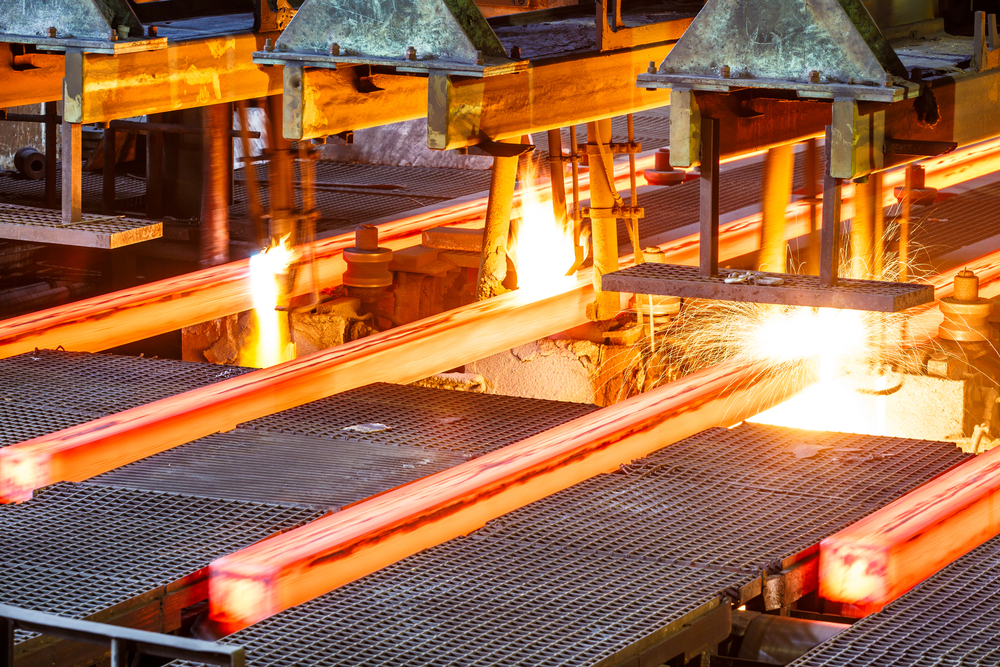
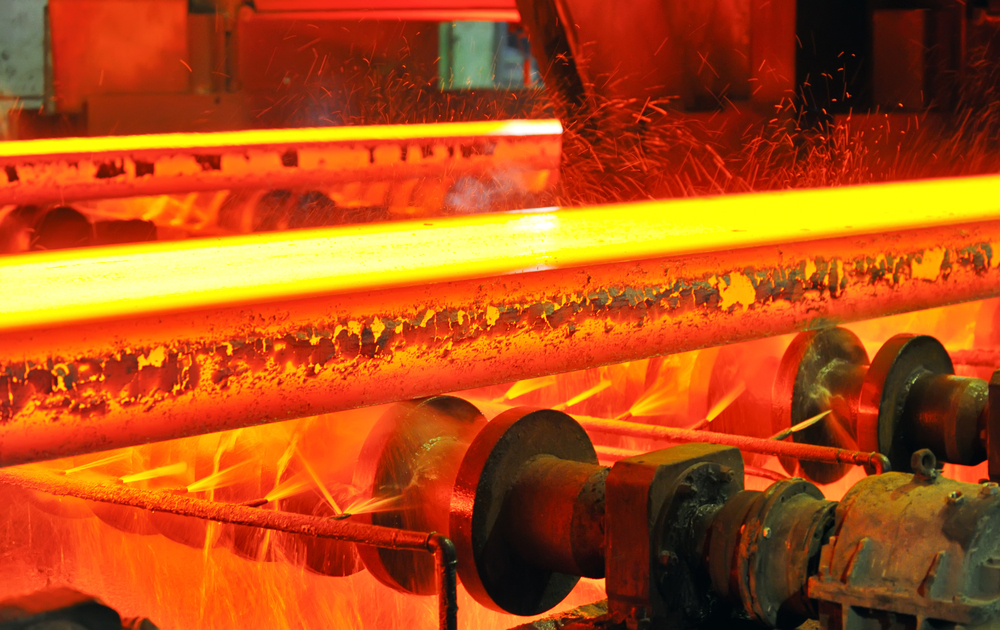
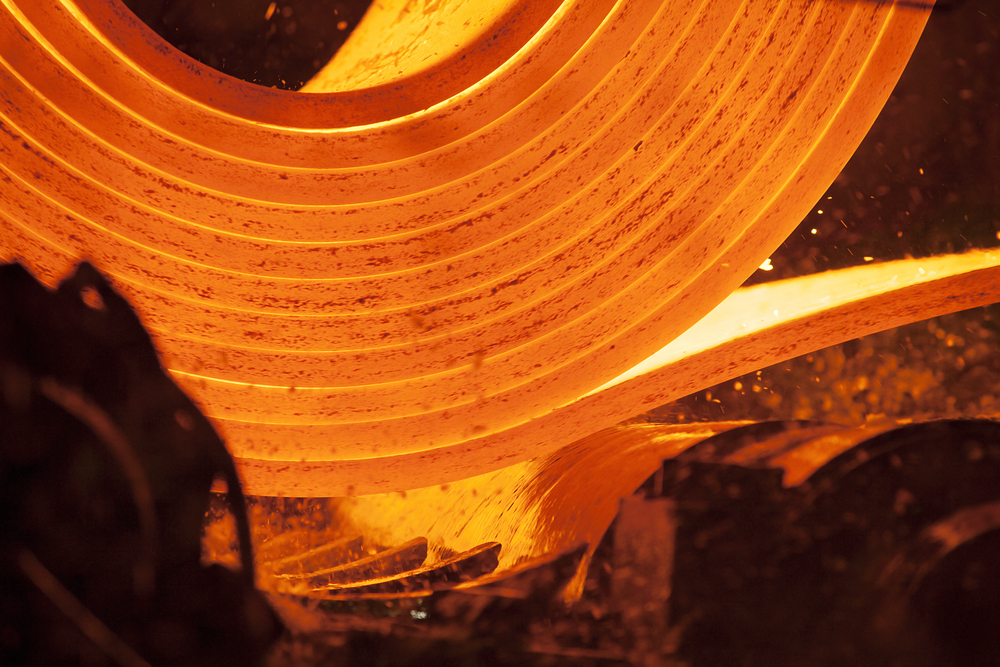
The most affordable of all structural metals is low-carbon steel, usually referred to as mild steel. It is utilized extensively for a variety of purposes.
Strengths Very low cost, superior to higher carbon steels in terms of toughness, machinability, formability, and weldability. Cold-working improves machinability and strength.
Limitations Low strength and poor hardenability as compared to higher carbon steels.
Designation The AISI/SAE designations for carbon steels are 10xx, 11xx, 12xx, and 15xx. Low carbon steels have carbon contents as indicated by the last two numbers, which can reach 30. The EN designations 1.03zz and 1.04zz apply to low carbon steels.
Common uses Numerous applications, including the reinforcement of concrete, building sections, roofing sheets, vehicle body panels, and cans.
Low Carbon steel, AISI 1025 annealed
Equivalent Grades
UNS number
G10250
US name
ASME 1025, ASTM M1025, ASTM 1025, ASME G10250, SAE 850, AMS 5045, ~SAE 853 Class 1 Type 5, ~SAE 853 Class 1 Type 4, ~SAE 853 Class 1 Type 3, ~SAE 853 Class 1 Type 2, ~SAE 853 Class 1 Type 1, ~SAE 040S, ~SAE 040C, ~SAE 040B, ~SAE 040A, ~ASTM FPA
The most affordable of all structural metals is low-carbon steel, usually referred to as mild steel. It is utilized extensively for a variety of purposes.
Strengths Very low cost, superior to higher carbon steels in terms of toughness, machinability, formability, and weldability. Cold-working improves machinability and strength.
Limitations Low strength and poor hardenability as compared to higher carbon steels.
Designation The AISI/SAE designations for carbon steels are 10xx, 11xx, 12xx, and 15xx. Low carbon steels have carbon contents as indicated by the last two numbers, which can reach 30. The EN designations 1.03zz and 1.04zz apply to low carbon steels.
Common uses Numerous applications, including the reinforcement of concrete, building sections, roofing sheets, vehicle body panels, and cans.
The most affordable of all structural metals is low-carbon steel, usually referred to as mild steel. It is utilized extensively for a variety of purposes.
Strengths Very low cost, superior to higher carbon steels in terms of toughness, machinability, formability, and weldability. Cold-working improves machinability and strength.
Limitations Low strength and poor hardenability as compared to higher carbon steels.
Designation The AISI/SAE designations for carbon steels are 10xx, 11xx, 12xx, and 15xx. Low carbon steels have carbon contents as indicated by the last two numbers, which can reach 30. The EN designations 1.03zz and 1.04zz apply to low carbon steels.
Common uses Numerous applications, including the reinforcement of concrete, building sections, roofing sheets, vehicle body panels, and cans.
The most affordable of all structural metals is low-carbon steel, usually referred to as mild steel. It is utilized extensively for a variety of purposes.
Strengths Very low cost, superior to higher carbon steels in terms of toughness, machinability, formability, and weldability. Cold-working improves machinability and strength.
Limitations Low strength and poor hardenability as compared to higher carbon steels.
Designation The AISI/SAE designations for carbon steels are 10xx, 11xx, 12xx, and 15xx. Low carbon steels have carbon contents as indicated by the last two numbers, which can reach 30. The EN designations 1.03zz and 1.04zz apply to low carbon steels.
Common uses Numerous applications, including the reinforcement of concrete, building sections, roofing sheets, vehicle body panels, and cans.
The most affordable of all structural metals is low-carbon steel, usually referred to as mild steel. It is utilized extensively for a variety of purposes.
Strengths Very low cost, superior to higher carbon steels in terms of toughness, machinability, formability, and weldability. Cold-working improves machinability and strength.
Limitations Low strength and poor hardenability as compared to higher carbon steels.
Designation The AISI/SAE designations for carbon steels are 10xx, 11xx, 12xx, and 15xx. Low carbon steels have carbon contents as indicated by the last two numbers, which can reach 30. The EN designations 1.03zz and 1.04zz apply to low carbon steels.
Common uses Numerous applications, including the reinforcement of concrete, building sections, roofing sheets, vehicle body panels, and cans.
Les produits en acier inoxydable sont hautement usinables, usinables, uniformes et résistants à la corrosion et à l’oxydation.
Du plus petit instrument médical à la tour la plus haute, l’acier inoxydable est essentiel à la vie moderne. Ce matériau est idéal pour une large gamme d’applications grâce à son mélange exceptionnel de résistance, de résistance à la corrosion et d’aspect attrayant.
Utilisez Modulus Metal pour convertir votre pièce ou votre assemblage en acier inoxydable de l’impression à la production. Nous avons de nombreux ateliers d’usinage certifiés ISO 9001:2015 qui se spécialisent dans la production de composants de grande valeur et la construction d’assemblages complexes pour des environnements exigeants. Nous pouvons offrir une variété de services personnalisés qui accélèrent les chaînes d’approvisionnement grâce à nos machines de pointe, notre personnel hautement qualifié et notre engagement envers la qualité.
AVANTAGES DE L’USINAGE DE PIÈCES EN ACIER INOXYDABLE
Une classe d’alliages à base de fer connue sous le nom d’acier inoxydable contient au moins 11 % de chrome, un métal qui résiste à la corrosion et peut supporter des températures élevées. Ce matériau est également entièrement recyclable et a une longue durée de vie, ce qui le rend respectueux de l’environnement.
Seules quelques-unes des plus de 150 nuances d’acier inoxydable sont utilisées dans des applications courantes. Les attributs de performance spécifiques différeront selon le grade, mais les caractéristiques suivantes sont typiques.
Protection contre la corrosion, Force Attrait beauté Une soudabilité améliorée Faible poids Excellente formabilité dans certaines circonstances, résistance au magnétisme Simple à nettoyer Endurance aux hautes températures Facilement stérilisable Endurance à basse température
INDUSTRIES DES PIÈCES EN ACIER INOXYDABLE L’acier inoxydable est le meilleur matériau pour une variété d’applications en raison de ses qualités de performance très appréciées et de sa facilité de fabrication. En plus d’être utilisé pour créer des instruments chirurgicaux et des équipements médicaux implantables, il est également utilisé dans les systèmes d’échappement automatique, les grilles et les garnitures. La capacité de l’acier inoxydable à résister à des températures extrêmement chaudes et basses, à des environnements corrosifs et à des conditions acides est appréciée par les opérateurs de plates-formes de forage de pétrole brut et de gaz naturel. La résistance à la rouille, la propreté et l’absence d’altération de la saveur du matériau le rendent idéal pour les applications de cuisine. Ce sont quelques secteurs qui utilisent l’acier inoxydable.
Gaz et pétrole Pétrochimie Machinerie lourde Meubles Préparation des aliments de restauration Agriculture Automobile Architectural Construction Électronique Exploitation minière Énergie renouvelable
ALLIAGES D’ACIERS INOXYDABLES
Bien que Modulus Metal puisse usiner, souder et assembler n’importe quel matériau, nous utilisons le plus souvent des aciers inoxydables des séries 300, 400 et 17-4. Lors de la sélection de l’acier inoxydable pour un projet, il est important d’examiner attentivement les caractéristiques de performance distinctives de chaque série.
ACIER INOXYDABLE 303 Un alliage chrome-nickel avec des caractéristiques d’usinabilité et d’anti-grippage améliorées par des ajouts de sélénium, de soufre et de phosphore. Il résiste bien à la corrosion et peut être traité simplement. Les composants tels que les arbres, les engrenages, les soupapes, les boulons et les vis qui doivent être usinés, meulés ou polis sont des exemples typiques de tels composants.
ACIER INOXYDABLE 304 Un alliage chrome-nickel à très faible teneur en carbone qui résiste au magnétisme. Il possède une excellente résistance à la corrosion intergranulaire après soudage ou détente, une grande malléabilité et une bonne résistance à la corrosion. Les applications courantes incluent les têtes d’automobile, les équipements de transformation des aliments, les vis et les pièces de machines.
ACIER INOXYDABLE 316 Une résistance supérieure à la corrosion, un alliage chrome-nickel qui résiste au magnétisme. Il peut supporter d’être parmi les produits chimiques forts et l’eau salée. Ce matériau est fréquemment utilisé dans les équipements de préparation des aliments, les appareils de laboratoire, les panneaux côtiers, les composants marins, les conteneurs de produits chimiques, les échangeurs de chaleur, les attaches et les ressorts.
ACIER INOXYDABLE 410 Offre une résistance exceptionnelle à l’usure et à la corrosion et contient 11,5 % de chrome. Les pipelines, les vannes, les buses, les outils dentaires et chirurgicaux et les composants automobiles ne sont que quelques exemples d’applications courantes.
ACIER INOXYDABLE 420 Une substance qui donne une résistance accrue, une résistance à l’usure et une dureté accrue. Il possède de fortes qualités de résistance à la corrosion puisqu’il comprend au moins 12% de chrome. Les couverts, les dispositifs médicaux, les vannes à pointeau et les lames de cisaillement sont tous fabriqués à partir de ce matériau.
ACIER INOXYDABLE 17-4PH Possède des niveaux exceptionnels de ténacité, de résistance à la corrosion et de résistance. Il est magnétique car il est martensitique. Les arbres de pompe, les pièces de champ pétrolifère, les joints mécaniques et les composants d’avion en sont souvent fabriqués.
ACIER INOXYDABLE 17-4H900 Une substance qui équilibre avec succès la force et la résistance à la corrosion. Il est magnétique et peut être chauffé pour le durcir par précipitation. Les composants d’avions, les machines nucléaires, les équipements de transformation des aliments et les papeteries sont quelques exemples d’applications.
ACIER INOXYDABLE 17-4H1150 Un alliage chrome-cuivre qui a été durci par précipitation et qui a une résistance élevée et un niveau modeste de résistance à la corrosion. Il est traité thermiquement pour augmenter la force et le magnétisme. Les pièces de vannes, les arbres de pompe, les composants aérospatiaux, les aubes de turbine, les conteneurs de déchets nucléaires, les applications offshore, les outils de transformation des aliments et les machines pour les industries de la pâte et du papier sont quelques exemples d’utilisations typiques.
Les nuances d’acier suivantes peuvent également être usinées, soudées et assemblées par Modulus Metal en plus de celles de la liste précédente :
Edelstahlprodukte sind gut bearbeitbar, bearbeitbar, einheitlich und korrosions- und oxidationsbeständig.
Vom kleinsten medizinischen Instrument bis zum höchsten Turm ist Edelstahl für das moderne Leben unverzichtbar. Dieses Material ist dank seiner außergewöhnlichen Mischung aus Festigkeit, Korrosionsbeständigkeit und attraktivem Aussehen ideal für eine Vielzahl von Anwendungen.
Verwenden Sie Modulus Metal, um Ihr Edelstahlteil oder Ihre Baugruppe vom Druck in die Produktionsphase umzuwandeln. Wir haben viele Maschinenwerkstätten mit ISO 9001:2015-Zertifizierung, die sich auf die Herstellung hochwertiger Komponenten und den Bau komplexer Baugruppen für anspruchsvolle Umgebungen spezialisiert haben. Dank unserer hochmodernen Maschinen, hochqualifizierten Mitarbeiter und unseres Engagements für Qualität können wir eine Vielzahl von kundenspezifischen Dienstleistungen anbieten, die Lieferketten beschleunigen.
VORTEILE DER BEARBEITUNG VON EDELSTAHLTEILEN
Eine Klasse von Legierungen auf Eisenbasis, bekannt als rostfreier Stahl, hat mindestens 11 Prozent Chrom, ein Metall, das korrosionsbeständig ist und hohen Temperaturen standhalten kann. Dieses Material ist außerdem vollständig recycelbar und hat eine lange Lebensdauer, was es umweltfreundlich macht.
Nur wenige der mehr als 150 Edelstahlsorten werden in gängigen Anwendungen eingesetzt. Die spezifischen Leistungsattribute unterscheiden sich je nach Klasse, aber die folgenden Merkmale sind typisch.
Korrosionsschutz, Stärke Beauty-Appeal Eine verbesserte Schweißbarkeit Geringes Gewicht Hervorragende Formbarkeit unter Umständen Widerstand gegen Magnetismus Einfach zu reinigen Beständigkeit gegen hohe Temperaturen Leicht sterilisierbar Ausdauer bei niedrigen Temperaturen
EDELSTAHLTEILINDUSTRIE Edelstahl ist aufgrund seiner hoch angesehenen Leistungsqualitäten und seiner einfachen Herstellung das beste Material für eine Vielzahl von Anwendungen. Es wird nicht nur zur Herstellung von chirurgischen Instrumenten und implantierbaren medizinischen Geräten verwendet, sondern auch zu Autoauspuffanlagen, Grills und Verkleidungen verarbeitet. Die Fähigkeit von Edelstahl, extrem heißen und niedrigen Temperaturen, korrosiven Umgebungen und sauren Bedingungen standzuhalten, wird von Betreibern von Rohöl- und Erdgasbohrplattformen geschätzt. Die Rostbeständigkeit, Sauberkeit und fehlende Geschmacksveränderung des Materials machen es ideal für Küchenanwendungen. Dies sind einige Sektoren, die Edelstahl verwenden.
Benzin und Öl Petrochemikalien Schwere Maschinerie Möbel Catering Zubereitung von Speisen Landwirtschaft Automobil Architektonisch Konstruktion Elektronik Bergbau Erneuerbare Energie
LEGIERUNGEN AUS ROSTFREIEN STÄHLEN
Obwohl Modulus Metal jedes Material bearbeiten, schweißen und montieren kann, verwenden wir am häufigsten rostfreie Stähle der Serien 300, 400 und 17-4. Bei der Auswahl von Edelstahl für ein Projekt ist es wichtig, die charakteristischen Leistungsmerkmale jeder Serie sorgfältig zu berücksichtigen.
EDELSTAHL 303 Eine Chrom-Nickel-Legierung mit verbesserten Bearbeitbarkeits- und Festfressschutzeigenschaften durch Zusätze von Selen, Schwefel und Phosphor. Es widersteht Korrosion gut und kann einfach behandelt werden. Typische Beispiele für solche Komponenten sind Komponenten wie Wellen, Zahnräder, Ventile, Bolzen und Schrauben, die bearbeitet, geschliffen oder poliert werden müssen.
EDELSTAHL 304 eine Chrom-Nickel-Legierung mit extrem niedrigem Kohlenstoffgehalt, die Magnetismus widersteht. Es besitzt eine ausgezeichnete Widerstandsfähigkeit gegenüber interkristalliner Korrosion nach dem Schweißen oder Spannungsarmglühen, eine große Verformbarkeit und eine gute Korrosionsbeständigkeit. Zu den üblichen Anwendungen gehören Automobilköpfe, Lebensmittelverarbeitungsgeräte, Schrauben und Maschinenteile.
EDELSTAHL 316 eine überlegene korrosionsbeständige Chrom-Nickel-Legierung, die Magnetismus widersteht. Es kann unter starken Chemikalien und Salzwasser aushalten. Dieses Material wird häufig in Geräten für die Lebensmittelzubereitung, Laborgeräten, Küstenverkleidungen, Schiffskomponenten, Chemikalienbehältern, Wärmetauschern, Befestigungselementen und Federn verwendet.
EDELSTAHL 410 bietet hervorragende Verschleiß- und Korrosionsbeständigkeit und enthält 11,5 % Chrom. Rohrleitungen, Ventile, Düsen, zahnärztliche und chirurgische Werkzeuge sowie Automobilkomponenten sind nur einige Beispiele für gängige Anwendungen.
EDELSTAHL 420 Eine Substanz, die eine verbesserte Festigkeit, Verschleißfestigkeit und erhöhte Härte verleiht. Es hat starke korrosionsbeständige Eigenschaften, da es mindestens 12 % Chrom enthält. Besteck, medizinische Geräte, Nadelventile und Schermesser werden alle aus diesem Material hergestellt.
EDELSTAHL, 17-4PH Besitzt ein außergewöhnliches Maß an Zähigkeit, Korrosionsbeständigkeit und Festigkeit. Es ist magnetisch, weil es martensitisch ist. Pumpenwellen, Ölfeldteile, Gleitringdichtungen und Flugzeugkomponenten werden häufig daraus gefertigt.
EDELSTAHL 17-4H900 Eine Substanz, die Festigkeit und Korrosionsbeständigkeit erfolgreich ausbalanciert. Es ist magnetisch und kann zur Ausscheidungshärtung erhitzt werden. Flugzeugkomponenten, Nuklearmaschinen, Lebensmittelverarbeitungsanlagen und Papierfabriken sind einige Beispiele für Anwendungen.
EDELSTAHL 17-4H1150 Eine ausscheidungsgehärtete Chrom-Kupfer-Legierung mit hoher Festigkeit und mäßiger Korrosionsbeständigkeit. Es wird wärmebehandelt, um die Festigkeit und den Magnetismus zu erhöhen. Ventilteile, Pumpenwellen, Luft- und Raumfahrtkomponenten, Turbinenschaufeln, Nuklearabfallbehälter, Offshore-Anwendungen, Lebensmittelverarbeitungswerkzeuge und Maschinen für die Zellstoff- und Papierindustrie sind einige Beispiele für typische Anwendungen.
Die folgenden Stahlsorten können zusätzlich zu den in der vorherigen Liste aufgeführten auch von Modulus Metal bearbeitet, geschweißt und montiert werden:
Stainless steel products are highly machinable, workable, uniform, and corrosion- and oxidation-resistant.
From the smallest medical instrument to the tallest tower, stainless steel is essential to modern life. This material is ideal for a wide range of applications thanks to its exceptional mix of strength, corrosion resistance, and attractive look.
Use Modulus Metal to convert your stainless steel part or assembly from the print to the production stage. We have many machine shops with ISO 9001:2015 certification that specializes in producing high-value components and building complex assemblies for demanding settings. We can offer a variety of client-tailored services that expedite supply chains thanks to our cutting-edge machinery, highly skilled staff, and commitment to quality.
ADVANTAGES OF MACHINING STAINLESS STEEL PARTS
A class of iron-based alloys known as stainless steel has at least 11 percent chromium, a metal that resists corrosion and can endure high temperatures. This material is also completely recyclable and has a long cycle life, making it eco-friendly.
Only a few of the more than 150 stainless steel grades are utilized in common applications. The specific performance attributes will differ per grade, but the following features are typical.
Corrosion protection, Strength Beauty appeal An enhanced weldability Low weight Excellent formability in some circumstances, resistance to magnetism Simple to clean Endurance to high temperatures Easily sterilizable Endurance at low temperatures
STAINLESS STEEL PARTS INDUSTRIES Stainless steel is the best material for a variety of applications because of its highly regarded performance qualities and ease of fabrication. In addition to being used to create surgical instruments and implantable medical equipment, it is also fashioned into auto exhaust systems, grills, and trim. The ability of stainless steel to withstand extremely hot and low temperatures, corrosive environments, and acidic conditions is valued by operators of crude oil and natural gas drilling platforms. The material’s rust resistance, cleanliness, and lack of flavor alteration make it ideal for kitchen applications. These are a few sectors that use stainless steel.
Gas and oil Petrochemicals Heavy machinery Furniture Catering Food Preparation Agriculture Automotive Architectural Construction Electronics Mining Renewable energy
ALLOYS OF STAINLESS STEELS
Although Modulus Metal can machine, weld, and assemble any material, we most frequently use stainless steels from the 300, 400, and 17-4 series. When selecting stainless steel for a project, it is important to carefully consider each series’ distinctive performance characteristics.
STAINLESS STEEL 303 A chromium-nickel alloy with machinability and anti-seizing characteristics improved by selenium, sulfur, and phosphorus additions. It resists corrosion well and may be treated simply. Components like shafts, gears, valves, bolts, and screws that need to be machined, ground, or polished are typical examples of such components.
STAINLESS STEEL 304 A chromium-nickel alloy with an extremely low carbon content that resists magnetism. It possesses excellent resilience to intergranular corrosion following welding or stress relief, great malleability, and good corrosion resistance. Common applications include automobile heads, food processing equipment, screws, and machinery parts.
STAINLESS STEEL 316 A superior corrosion-resistant, a chrome-nickel alloy that resists magnetism. It can endure being among strong chemicals and saltwater. This material is frequently used in equipment for food preparation, lab apparatus, coastal paneling, marine components, chemical containers, heat exchangers, fasteners, and springs.
STAINLESS STEEL 410 Offers outstanding wear and corrosion resistance and contains 11.5% chromium. Pipelines, valves, nozzles, dentistry and surgical tools, and automotive components are just a few examples of common applications.
STAINLESS STEEL 420 A substance that gives enhanced strength, wear resistance, and increased hardness. It has strong corrosion-resistant qualities since it includes at least 12% chromium. Cutlery, medical devices, needle valves, and shear blades are all manufactured of this material.
STAINLESS STEEL, 17-4PH Possesses exceptional levels of toughness, corrosion resistance, and strength. It is magnetic because it is martensitic. Pump shafts, oilfield parts, mechanical seals, and aircraft components are frequently made with them.
STAINLESS STEEL 17-4H900 A substance that successfully balances strength and corrosion resistance. It is magnetic and may be heated to precipitation-harden it. Aircraft components, nuclear machinery, food processing equipment, and paper mills are a few examples of applications.
STAINLESS STEEL 17-4H1150 A chromium-copper alloy that has been precipitation hardened and has high strength and a modest level of corrosion resistance. It is heat-treated to increase strength and magnetism. Valve parts, pump shafts, aerospace components, turbine blades, nuclear waste casks, offshore applications, food-processing tools, and machinery for the pulp and paper industries are a few examples of typical uses.
The following grades of steel can also be machined, welded, and assembled by Modulus Metal in addition to the ones on the previous list:
Für viele Teile in vielen Branchen bietet Aluminium gute Bearbeitbarkeit, Haltbarkeit, geringes Gewicht und niedrige Kosten.
Aluminium und Aluminiumlegierungen werden häufig von Designern und Ingenieuren für CNC-bearbeitete und CNC-gefräste Artikel ausgewählt. Fühlt sich gut an. Dieses vielseitige Metall hat Vorteile gezeigt in:
Hervorragende Bearbeitbarkeit Hohe Festigkeit Härte Beständigkeit gegen Korrosion und Hitze Leitfähigkeit von Elektrizität Geringes Gewicht Niedriger Preis Allgemeine Anpassungsfähigkeit
BEARBEITUNG VON ALUMINIUMLEGIERUNGEN
Modulus Metal hat eine große Auswahl an Aluminiumlegierungen in seinem Sortiment an Produktionsmaterialien. Aluminium 6061 und 7075 sind zwei dieser Legierungen, die sich besonders gut als Material für die CNC-Bearbeitung eignen, sei es beim Fräsen oder Drehen.
Zu den Vorteilen von Aluminium 6061 gehören seine Kosten, Anpassungsfähigkeit, große Korrosionsbeständigkeit und überlegene Ästhetik nach dem Eloxieren.
Zu den Vorteilen von Aluminium 7075 gehören seine hohe Festigkeit, Härte, sein geringes Gewicht, seine Korrosionsbeständigkeit und seine hohe Hitzetoleranz.
Vergleich der Aluminiumlegierungen 6061 und 7075:
7075 Aluminum
6061 Aluminum
% Aluminum (Al)
90.0% Al
97.9% Al
% Zink (Zn)
5.6% Zn
—
% Magnesium (Mg)
2.5% Mg
1.0% Mg
% Chrom (Cr)
0.23% Cr
0.2% Cr
% Kupfer (Cu)
1.6% Cu
0.28% Cu
% Silizium (Si)
—
0.6% Si
Chemische Zusammensetzung
Legierung
Temperament
Ultimative Zugfestigkeit
Verlängerung
Härte
Aluminum 6061
T651
310 MPa
13%
95 HRB
Aluminum 7075
T651
560 MPa
10%
150 HRB
Mechanische Eigenschaften
Aluminiumanwendungen durch maschinelle Bearbeitung Aluminiumkomponenten werden in einer Vielzahl von Industrien weithin verwendet, insbesondere in der Automobil-, Luft- und Raumfahrt-, Maschinenbau- und Unterhaltungs- und Computerelektronik. Automobilkomponenten (geringes Gewicht bietet ein hohes Verhältnis von Festigkeit zu Gewicht). Gehäuse, Halterungen und andere luft- und raumfahrtbezogene Gegenstände, die starke Lasten aushalten müssen, aber wenig wiegen. Halterungen, Bremssättel und zahlreiche andere Komponenten für Industriemaschinen Elektronik für den Verbraucher- und Computergebrauch umfasst Gehäuse, Paneele, Konsolen, Knöpfe und andere Komponenten.
Während andere Aluminiumlegierungen eine bessere Formbarkeit und Schweißbarkeit bieten, eignet sich Aluminium 7075 gut für Situationen mit hoher Belastung, in denen Festigkeit entscheidend ist. 7075 Aluminium ist eine der stärksten Aluminiumlegierungen auf dem Markt und wird häufig als „Flugzeugqualität“ bezeichnet. Es wird häufig in Raumfahrzeugen, Raketen, Flugzeugen und anderen verteidigungsbezogenen Anwendungen eingesetzt. Darüber hinaus findet man es in Strukturmaterialien, militärischen Anwendungen und anderen stark beanspruchten Bereichen.
In Bezug auf Konstruktionsmaterialien, Schweißbaugruppen, Rohre, Befestigungselemente, elektronische Komponenten und mehr wird Aluminium 6061 aufgrund seiner Anpassungsfähigkeit, Verarbeitbarkeit, Festigkeit, Korrosionsbeständigkeit und Fügbarkeit in einer Vielzahl von Allzweckanwendungen eingesetzt. Es wird häufig in einer Vielzahl von Anwendungen und Branchen eingesetzt.
Typischerweise wird 6061 Aluminium verwendet in:
Segelboote, Yachten, Schiffszubehör und Schiffbau Automobile – die Karosserie, Räder, Bremsen und Hydraulikkolben von Lastkraftwagen und Bussen Flugzeugkomponenten und -strukturen Eisenbahnwagenteile Markisen für Möbel, Leisten und Gerätebeschläge Konservendosen und Getränke Aluminiumstange, Aluminiumrohr und Aluminiumplatte sind alle aus 6061 Aluminium.
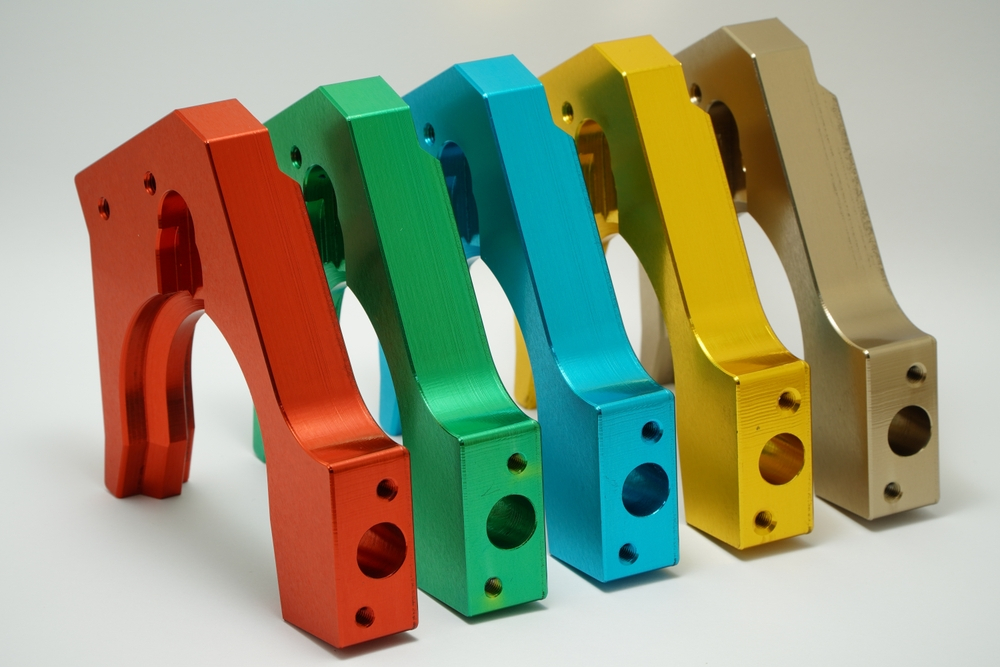
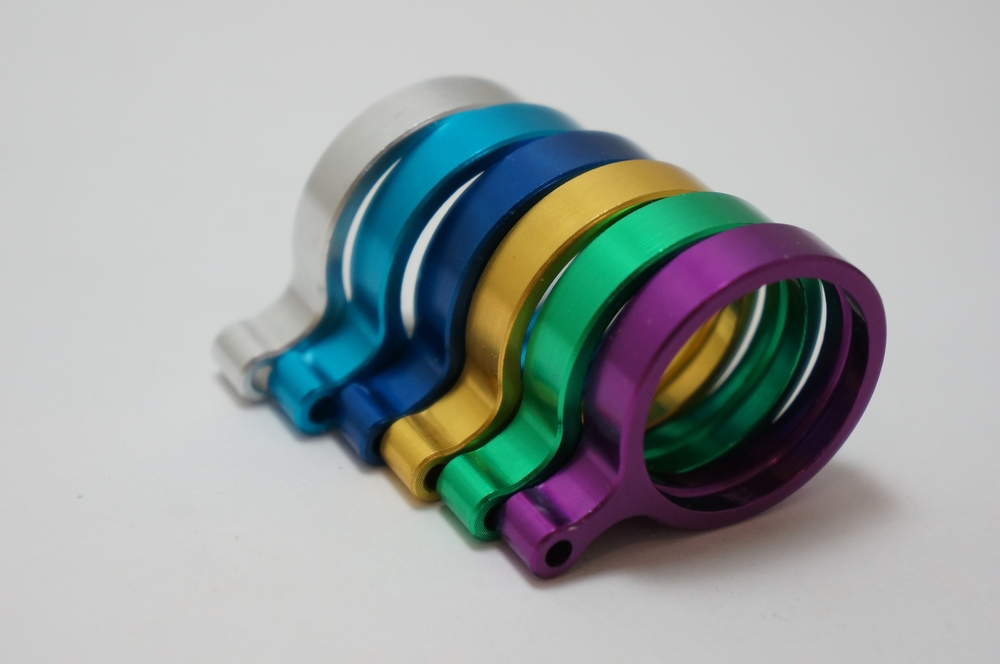
Optionen zum Eloxieren von CNC-bearbeiteten Aluminiumteilen Eine der beliebtesten Methoden zur Verbesserung des Aussehens von Metallgegenständen und zur Bereitstellung eines wirksamen Korrosionsschutzes ist das Eloxieren. Modulus Metal bietet Formen der Aluminiumeloxierung an.
Wann sollte 6061 verwendet werden?
Das Projekt erfordert viel Schweißen und viel maschinelle Bearbeitung, und die Kosten sind ein wichtiger Aspekt.
Wann 7075 verwenden:
Das Teil muss stark sein und eine hohe Festigkeit und ein geringes Gewicht aufweisen, da es viel Reibung und Hitze ausgesetzt ist. Kosten spielen da weniger eine Rolle.
Pour de nombreuses pièces dans de nombreux secteurs, l’aluminium offre une bonne usinabilité, durabilité, faible poids et faible coût.
L’aluminium et les alliages d’aluminium sont largement choisis par les concepteurs et les ingénieurs pour les articles usinés et fraisés CNC. Sens bien. Ce métal polyvalent a démontré des avantages dans :
Usinabilité exceptionnelle Haute résistance Dureté Résistance à la corrosion et à la chaleur Conductivité de l’électricité Faible poids Bas prix Adaptabilité générale
USINAGE DES ALLIAGES D’ALUMINIUM
Modulus Metal propose une large sélection d’alliages d’aluminium dans son assortiment de matériaux de production. L’aluminium 6061 et 7075 sont deux de ces alliages particulièrement bien adaptés comme choix de matériaux pour l’usinage CNC, qu’il s’agisse de fraisage ou de tournage.
Les avantages de l’aluminium 6061 incluent son coût, son adaptabilité, sa grande résistance à la corrosion et son esthétique supérieure après anodisation.
Les avantages de l’aluminium 7075 incluent sa haute résistance, sa dureté, sa légèreté, sa résistance à la corrosion et sa haute tolérance à la chaleur.
Comparaison des alliages d’aluminium 6061 et 7075 :
7075 Aluminum
6061 Aluminum
% Aluminum (Al)
90.0% Al
97.9% Al
% Zinc (Zn)
5.6% Zn
—
% Magnesium (Mg)
2.5% Mg
1.0% Mg
% Chromium (Cr)
0.23% Cr
0.2% Cr
% Copper (Cu)
1.6% Cu
0.28% Cu
% Silicon (Si)
—
0.6% Si
Composition chimique
Alliage
Trempe
Résistance à la traction ultime
Élongation
Dureté
Aluminum 6061
T651
310 MPa
13%
95 HRB
Aluminum 7075
T651
560 MPa
10%
150 HRB
Propriétés mécaniques
Applications en aluminium utilisant l’usinage: Les composants en aluminium sont largement utilisés dans une variété d’industries, en particulier l’automobile, l’aérospatiale, la mécanique et l’électronique grand public et informatique. Composants automobiles (la légèreté offre un rapport résistance/poids élevé). Boîtiers, supports et autres articles liés à l’aérospatiale qui doivent supporter de fortes charges mais qui pèsent peu. Fixations, étriers et de nombreux autres composants pour machines industrielles L’électronique à usage grand public et informatique comprend des boîtiers, des panneaux, des consoles, des boutons et d’autres composants.
Alors que d’autres alliages d’aluminium peuvent offrir une meilleure formabilité et soudabilité, l’aluminium 7075 fonctionne bien dans des situations de contraintes élevées où la résistance est cruciale. L’un des alliages d’aluminium les plus solides du marché, l’aluminium 7075 est souvent appelé “qualité aéronautique”. Il est fréquemment utilisé dans les engins spatiaux, les missiles, les avions et d’autres applications liées à la défense. De plus, on peut le trouver dans les matériaux de structure, les applications militaires et d’autres domaines soumis à une forte usure.
En ce qui concerne les matériaux de structure, les assemblages soudés, les tuyaux, les fixations, les composants électroniques, etc., l’aluminium 6061 est utilisé dans une variété d’applications polyvalentes en raison de son adaptabilité, de sa maniabilité, de sa résistance, de sa résistance à la corrosion et de sa possibilité de jonction. Il est fréquemment utilisé dans une variété d’applications et d’industries.
Typiquement, l’aluminium 6061 est utilisé dans :
Voiliers, yachts, quincaillerie marine et construction navale Automobiles – la carrosserie, les roues, les freins et les pistons hydrauliques des camions et des bus Composants et structures d’avions Pièces de voiture de chemin de fer Auvents pour meubles, moulures et appareils électroménagers Boîtes de nourriture et de boissons La barre en aluminium, le tube en aluminium et la plaque en aluminium sont tous en aluminium 6061.
Options d’anodisation de pièces en aluminium usinées CNC L’anodisation est l’une des méthodes les plus populaires pour améliorer l’apparence des objets métalliques et fournir une protection efficace contre la corrosion. Modulus Metal propose des formes d’anodisations d’aluminium.
Quand utiliser 6061
Le projet nécessite beaucoup de soudure et beaucoup d’usinage, et le coût est une considération majeure.
Quand utiliser 7075 :
La pièce doit être solide et avoir une résistance élevée et un faible poids car elle sera exposée à beaucoup de frottement et de chaleur. Le coût est moins un problème.