
Procurement Guide for Sand Casting Manufacturing Parts from Turkey | by Modulus Metal

Sand Casting Foundry Pouring Gray Ductile Iron Sourcing Buying Procurement Purchasing Guide Manufacturing in Turkey

MODULUS METAL : Supplier and exporter of Sand Casting Foundry Products in Turkey

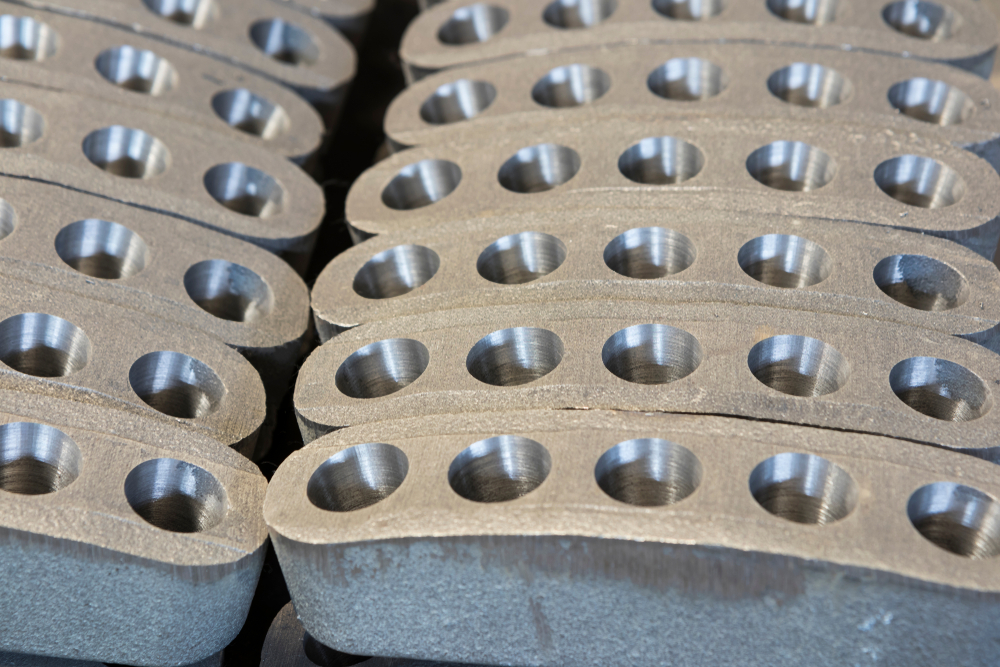
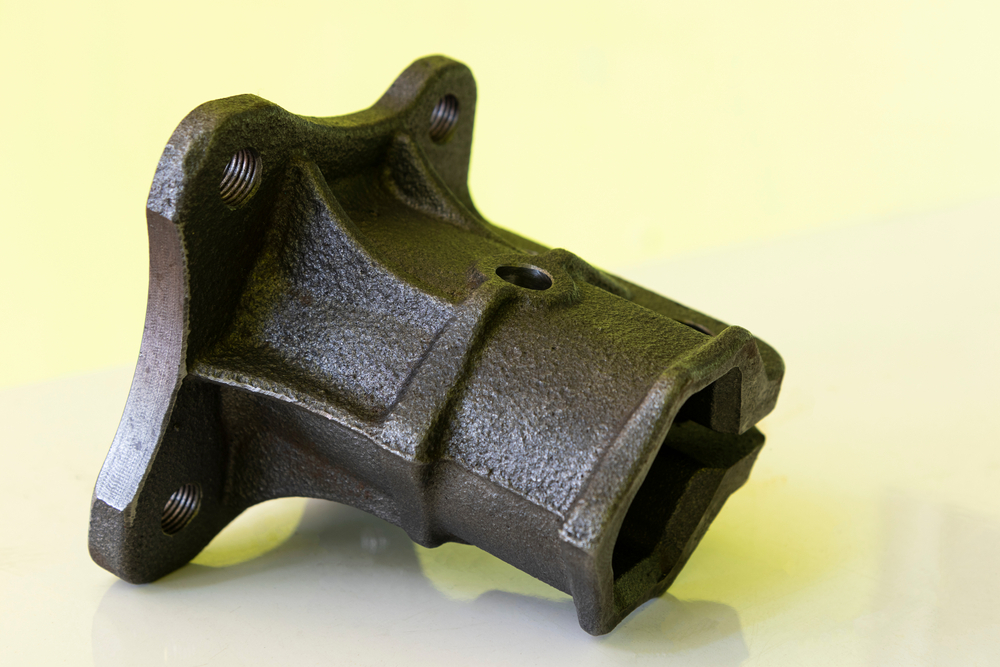
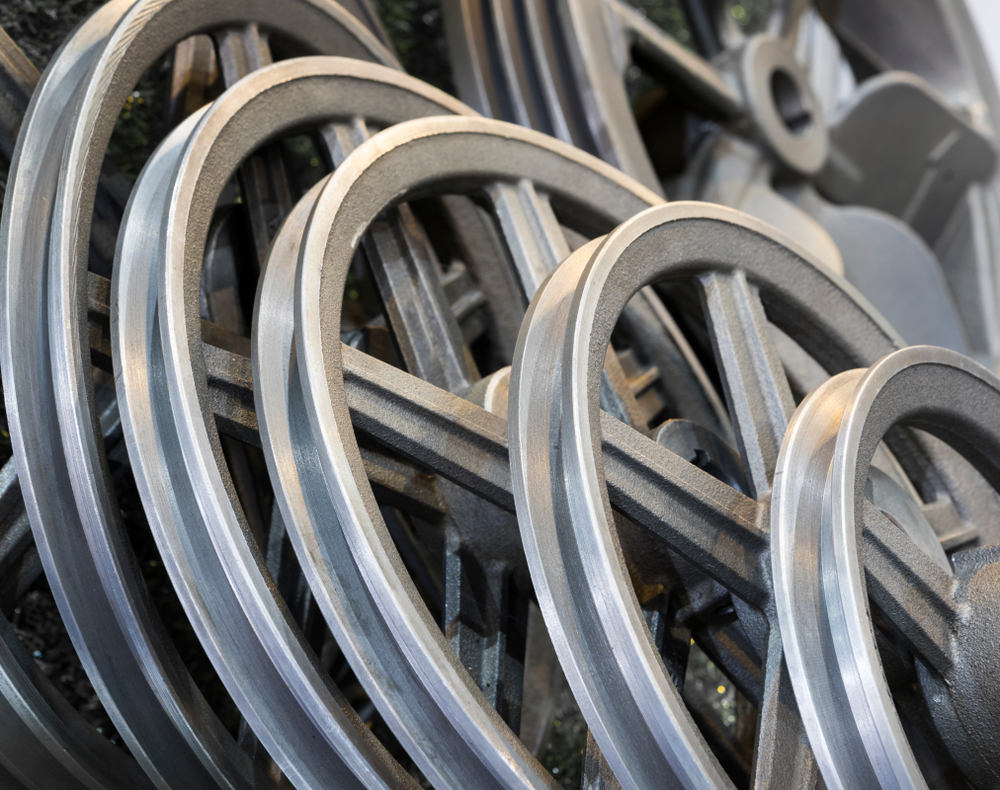
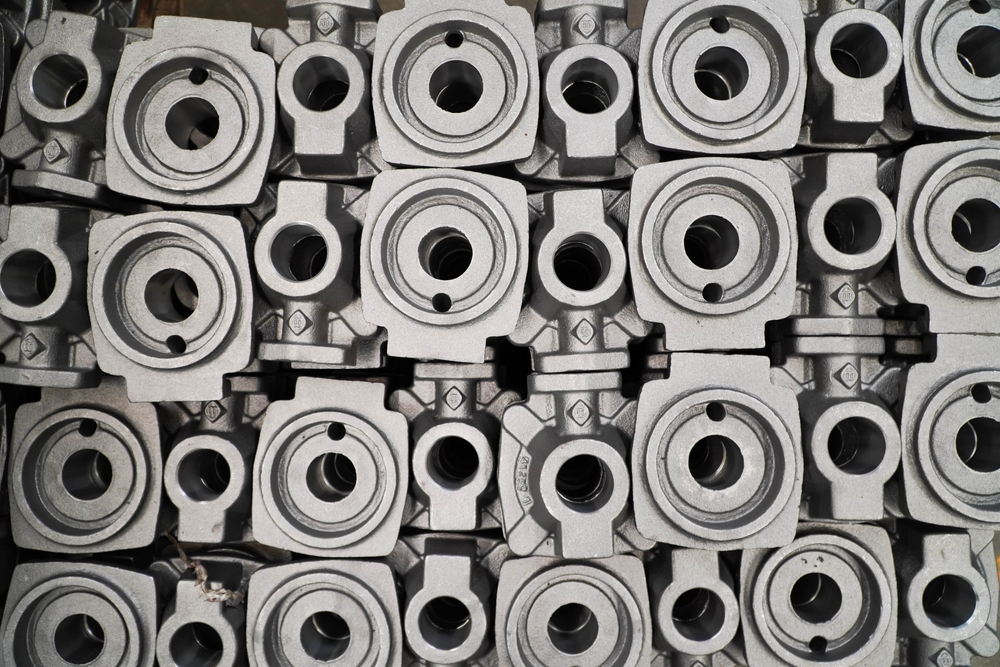
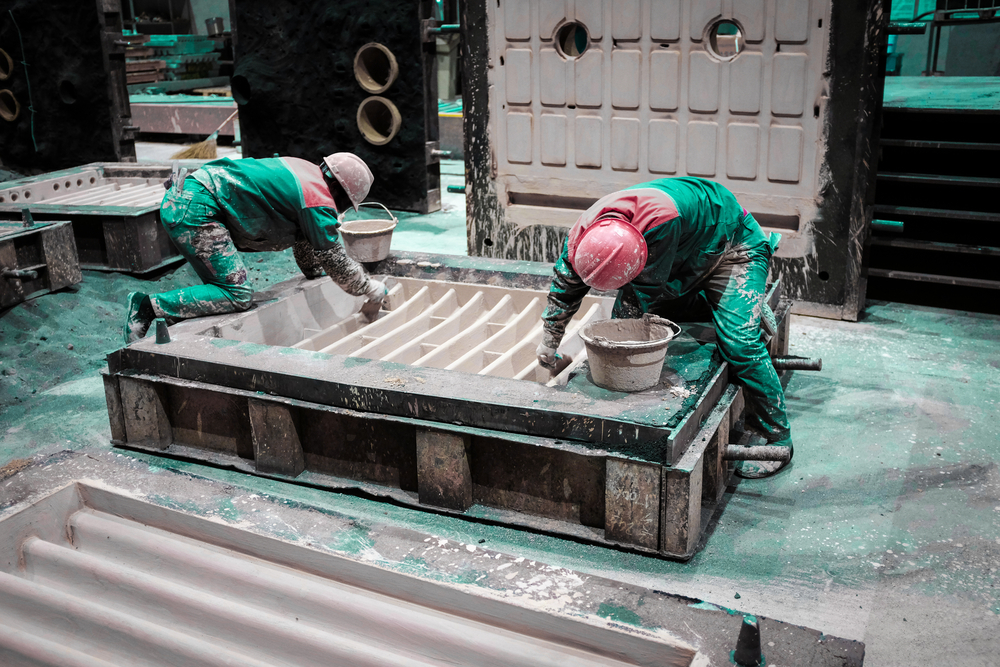
With a sand casting, you can create intricate shapes with many undercuts, holes, bosses, and protrusions since the mould can be constructed from several components. This implies that complex components with internal channels and gateways that are impossible to achieve using other techniques can be constructed fairly easily.

Tool prices can be relatively modest, and most tool adjustments are straightforward and cost-effective. Sand casting is a wonderful option for early production and prototyping since it allows for the possibility of design changes.

PROCESS NORMS, TOLERANCES, AND LIMITATIONS
Production rates: Before die casting becomes a viable alternative, components can be produced in economically feasible quantities of up to 1000–5000 per year. Sand casting, however, can continue to be a practical production option at more than 1,000,000 units annually for components that cannot be produced using other techniques, such as die casting.

For light alloys, the typical minimum wall thickness is 3 mm; for steel and other ferrous alloys, it is closer to 5 or 6 mm. The specific alloy will have a significant impact on this, thus it’s important to ask the foundry for recommendations.

Maximum wall thickness: Sections that are thicker than 100mm are possible

Draft angles: 1 to 5 degree draft angles must be used.

Linear tolerances that can be attained are +/- 0.4 to 0.5 mm, with a further 0.25 to 0.25 mm across mold parting lines and core joints.

Linear tolerances are typically +/- 1 mm, with an extra +/- 1 mm across mould parting lines and core joints.

Flatness: 0.1mm per 25mm is usual (excluding localised pitting)

Finishing: 3.2-25.0 Ra (Micrometers)

Typical machining tolerances are 0.5-1.6% or 1.5-6mm.

Size restrictions: Weight ranges from 20g to many hundreds of tones are possible.
WHAT IS THE LIFE TIME OF SAND CASTING TOOLING?

The choice of tooling material depends on the estimated overall production volume and likelihood of design change. Polyurethane board may be machined quite quickly and easily modified in terms of dimensions or features. Tooling life would probably be around 5000 units, but depending on how complicated the pattern is, it may be much higher.

Aluminum tooling would be the natural next step after polyurethane (PU) board since it offers relatively simple machining while being more durable than polyurethane, with tool life typically ranging from 50,000 to 100,000 units.

WHAT SAND CASTING TYPE IS BEST FOR YOU?

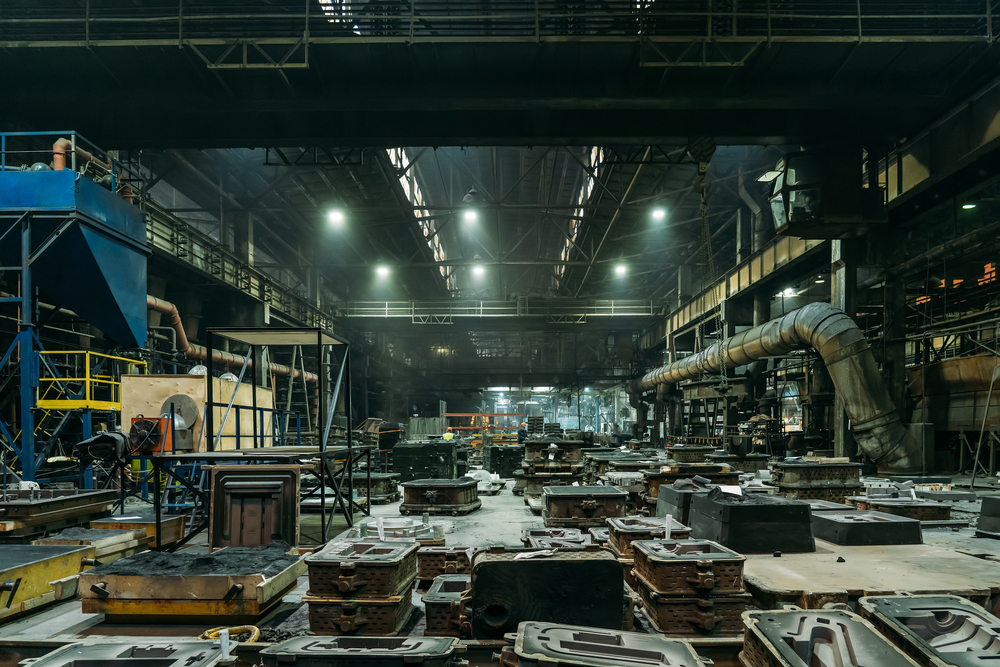
There are different steps in the sand casting process. The most popular method of sand casting is green sand casting since it is the least expensive, but the tolerances are the highest. On the other hand, dry sand (chemically bonded sand) casting provides more accurate castings with a superior surface polish, but because the mould must go through additional processing, it is invariably more expensive. This cost is all relevant to the complete project because more precise castings may require less machining and tolerance room, which would require fewer additional processes and result in a lower overall cost.

Mold cores are normally created using the dry sand molding technique or a variant of it, whether they are utilized with green or dry sand molding.

What do Dry Sand and Green Sand mean?

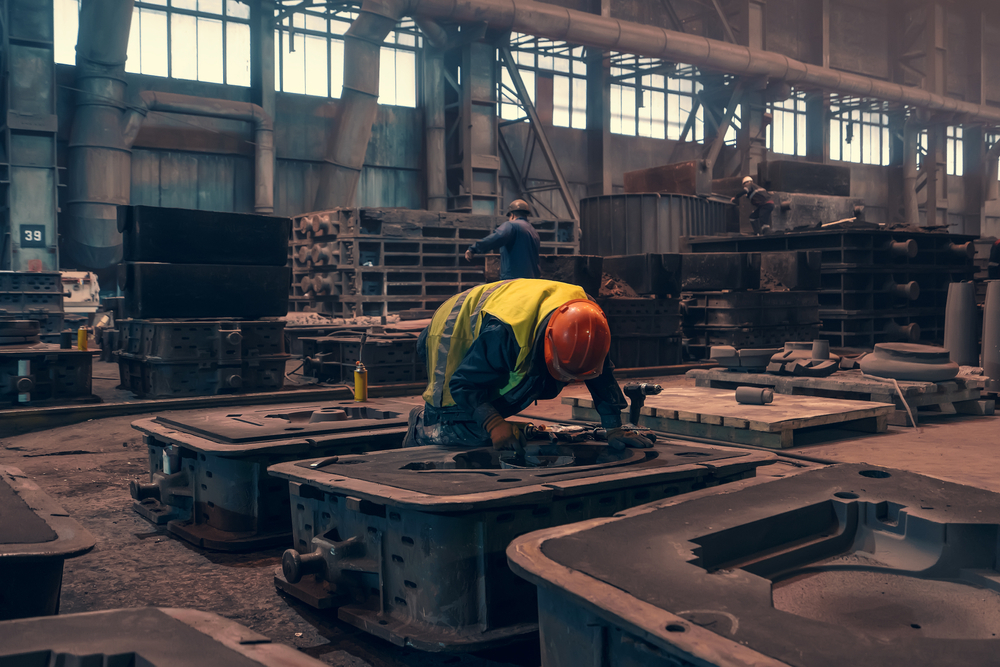
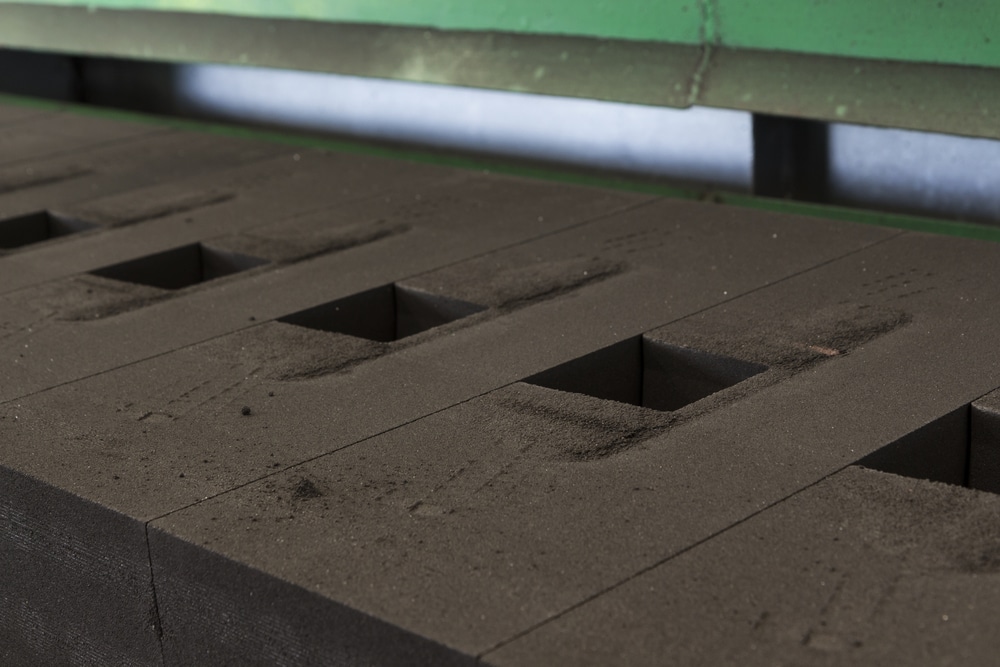
Molds for green sand casting are created from sand that has been joined with clay and water. Because the sand is easily recyclable and compressible, demolding and reprocessing are both less expensive and simpler. Casting in dry sand creates a stronger mold. By improving the bonding between the sand grains, either by the application of heat and a combination of heat-curing resin, gas injection – with chemically reacting resins, or simply by mixing air-curing resin with the sand, this strength is acquired. Due to the resin composition, less sand can normally be recovered than with green sand molding. Due to the molds’ enhanced strength, demoulding takes longer.A variety of mold types are used for dry sand casting, all of which depend on a chemical reaction, often the hardening of a resin mixed with the sand. The terms air set, boxless, cold-box, gas-set, no-bake, and chemically bonded sand moulding are also used to describe dry sand casting.
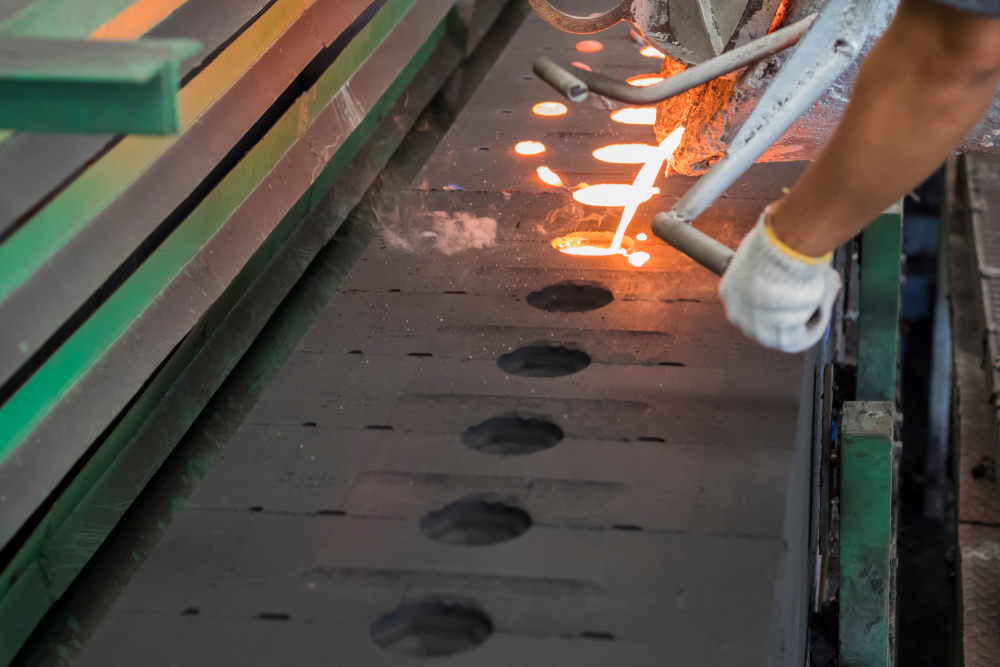
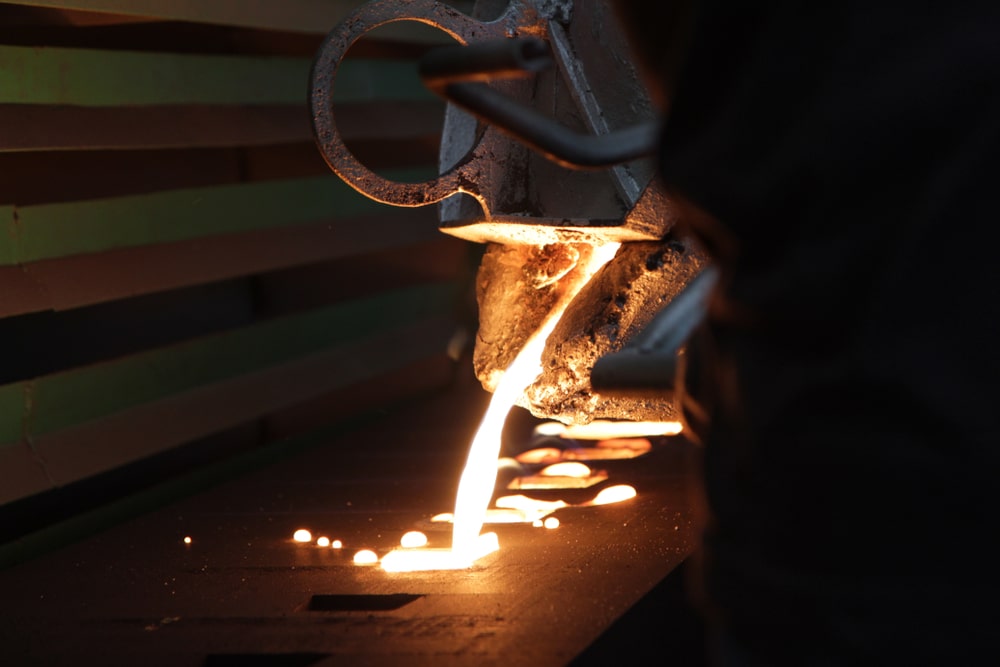
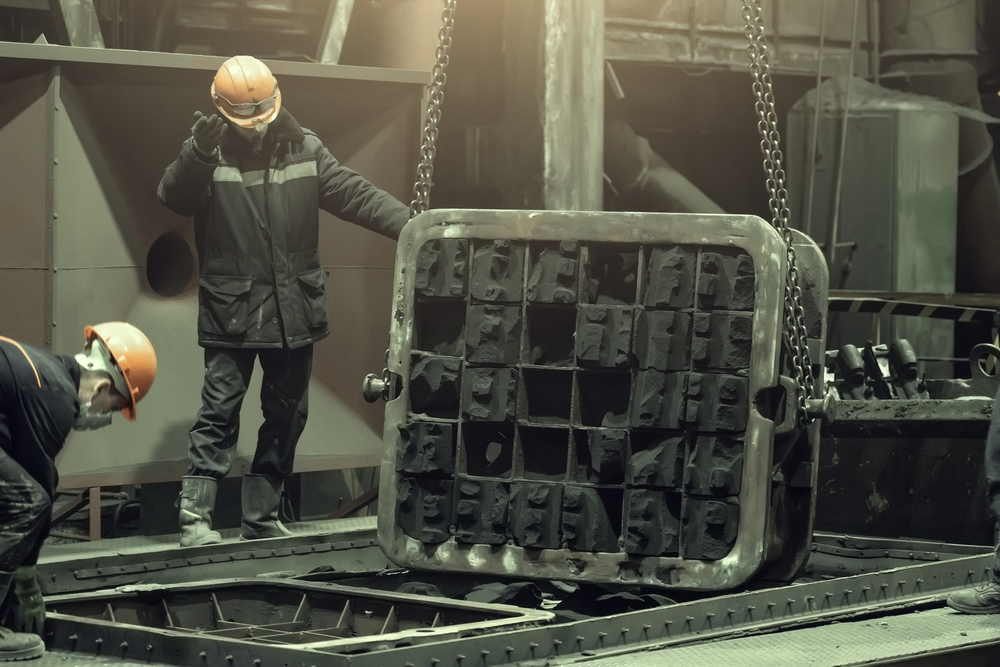
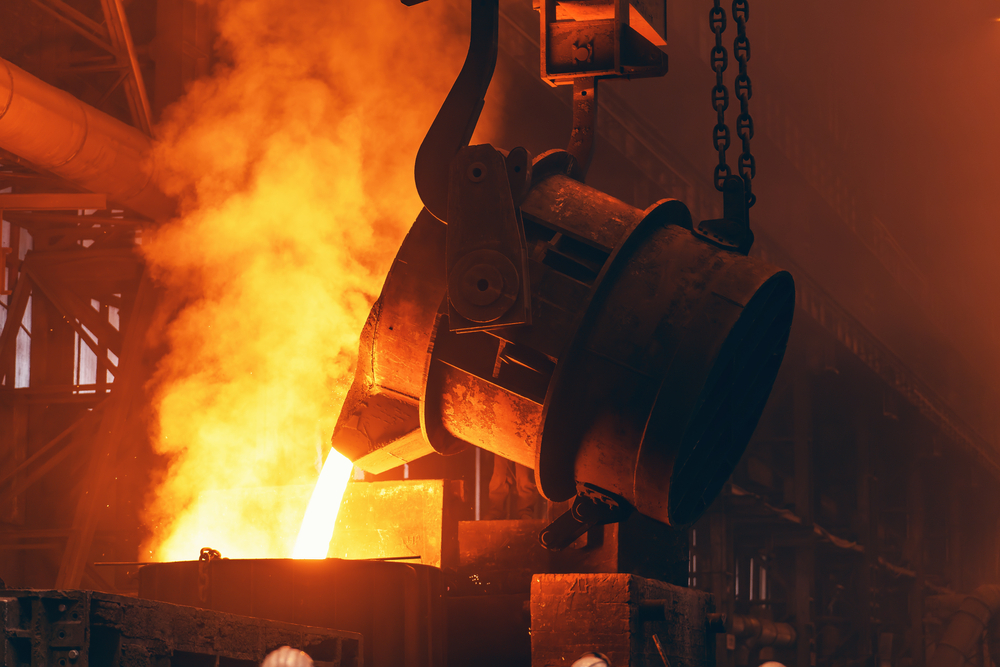
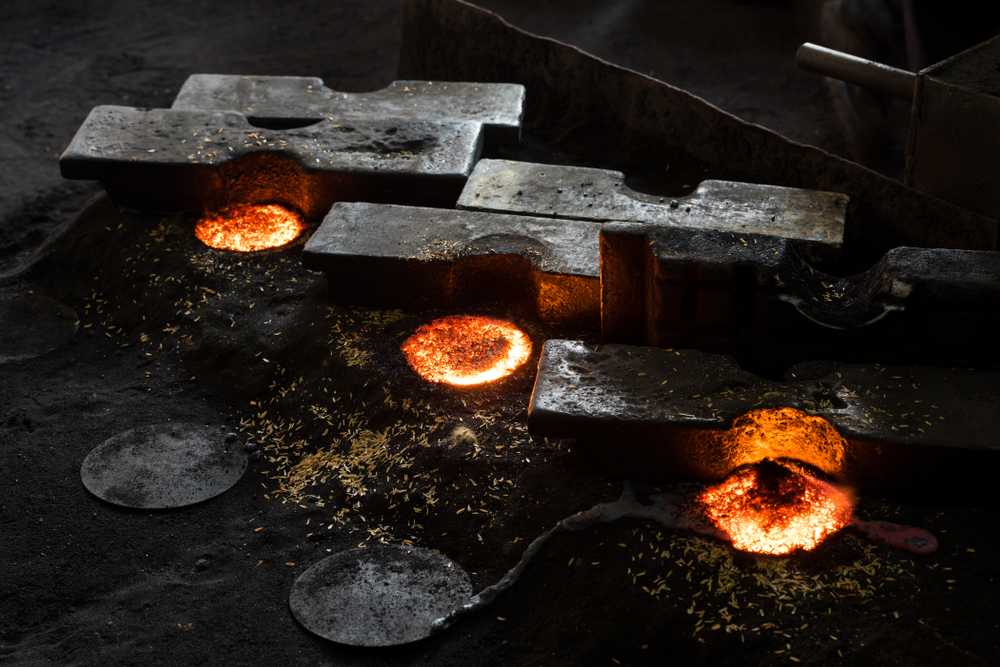
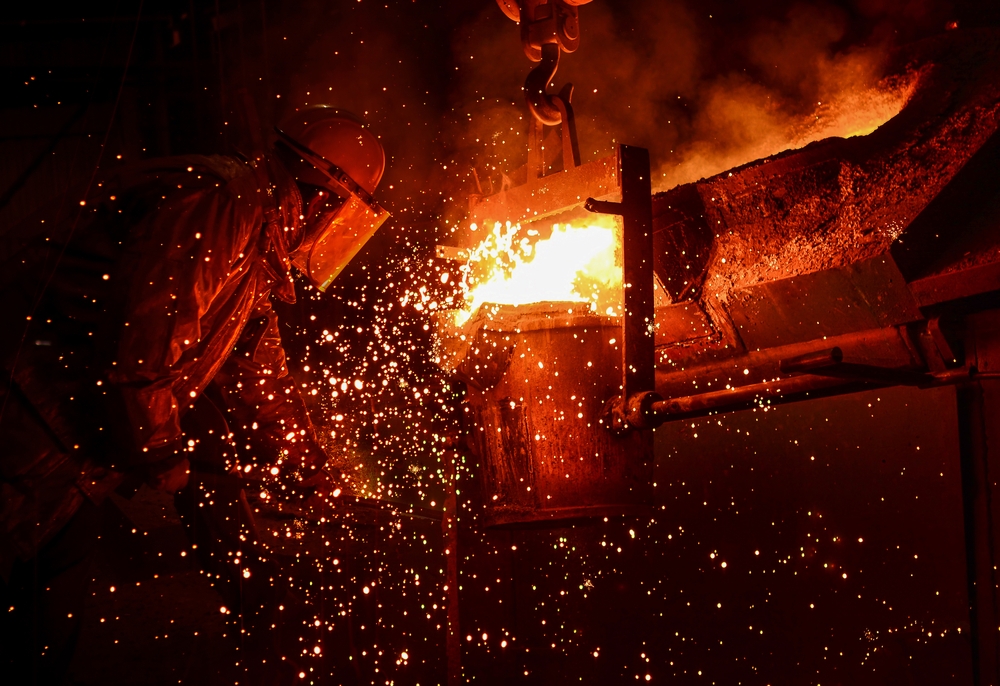
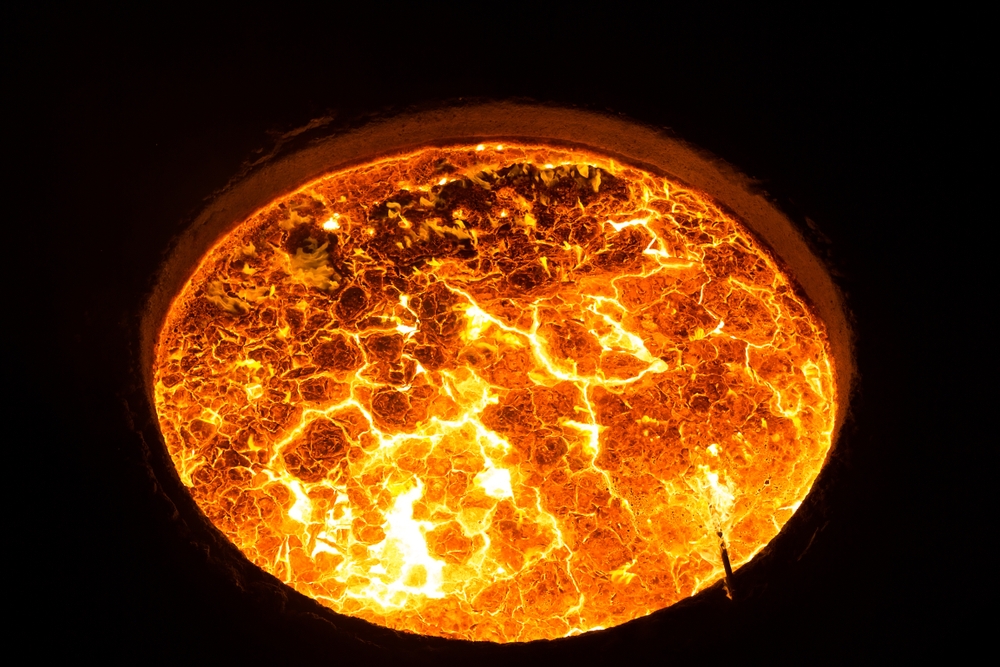
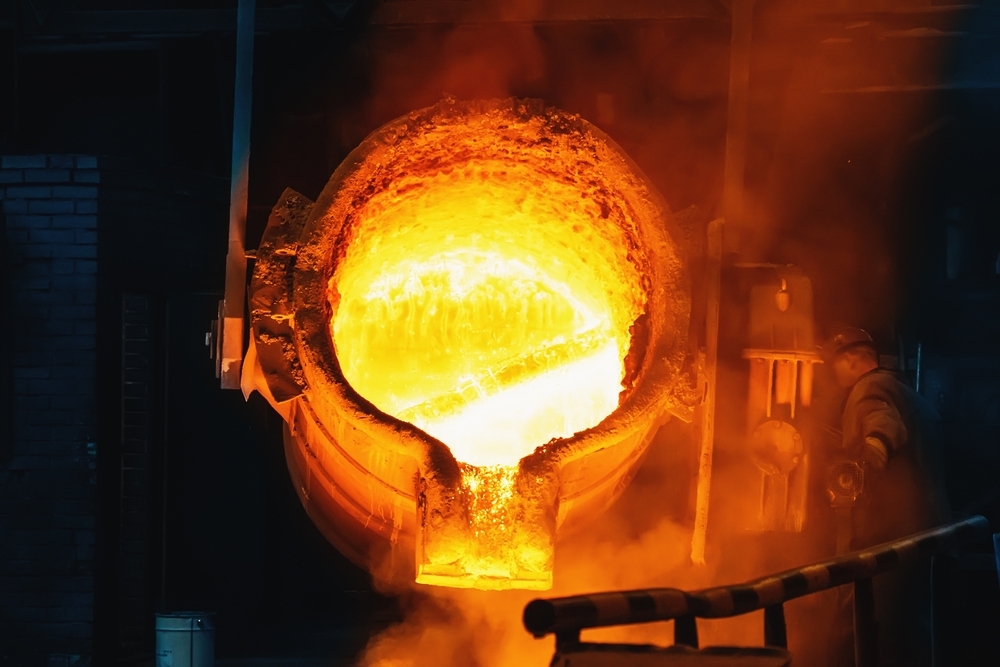
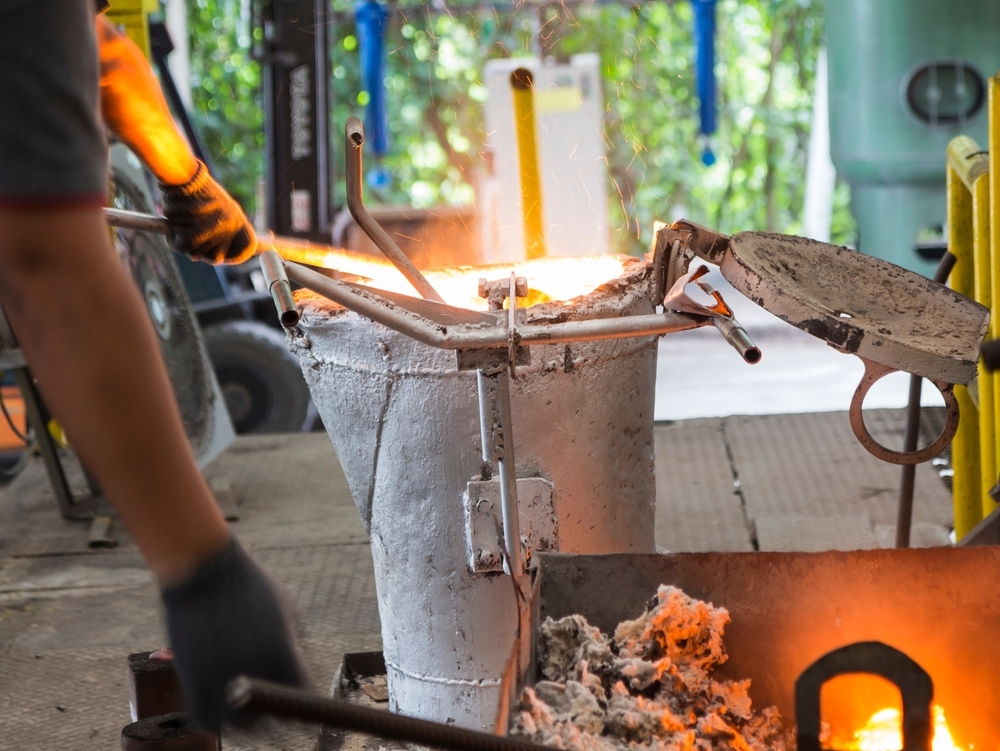
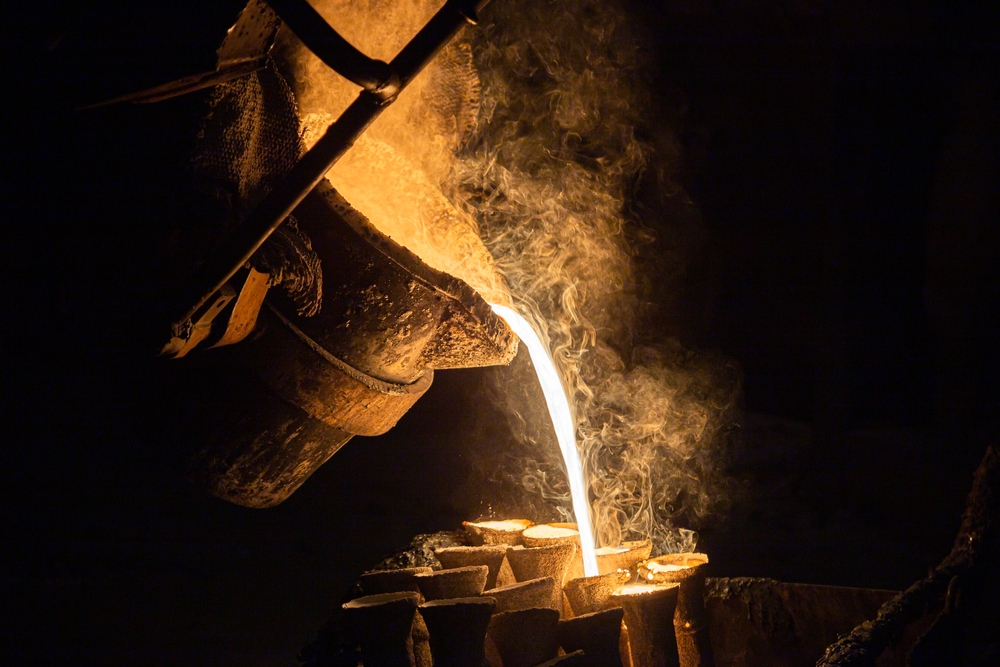
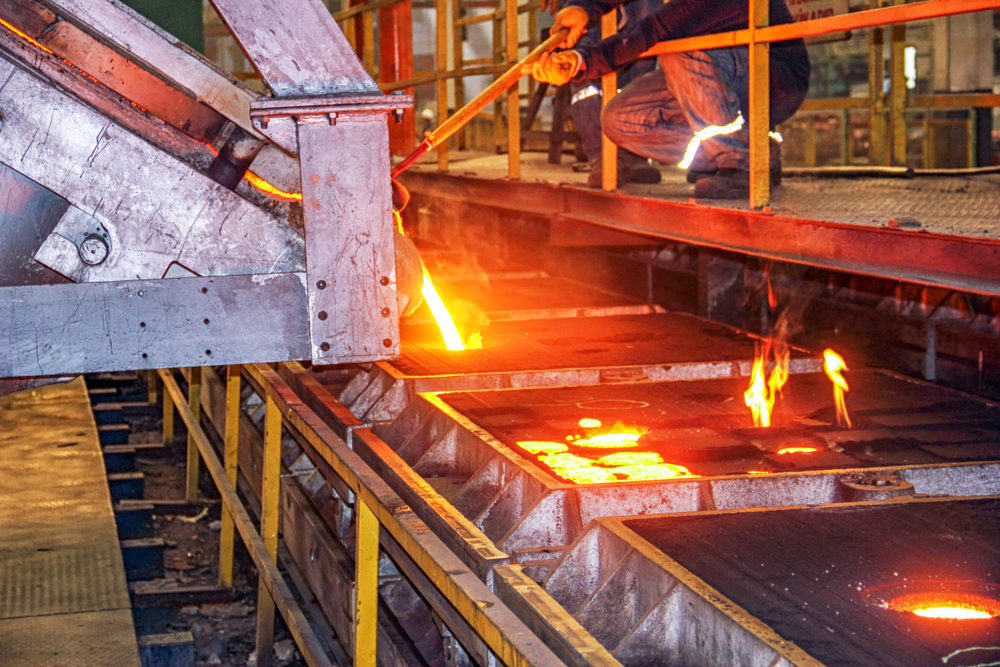
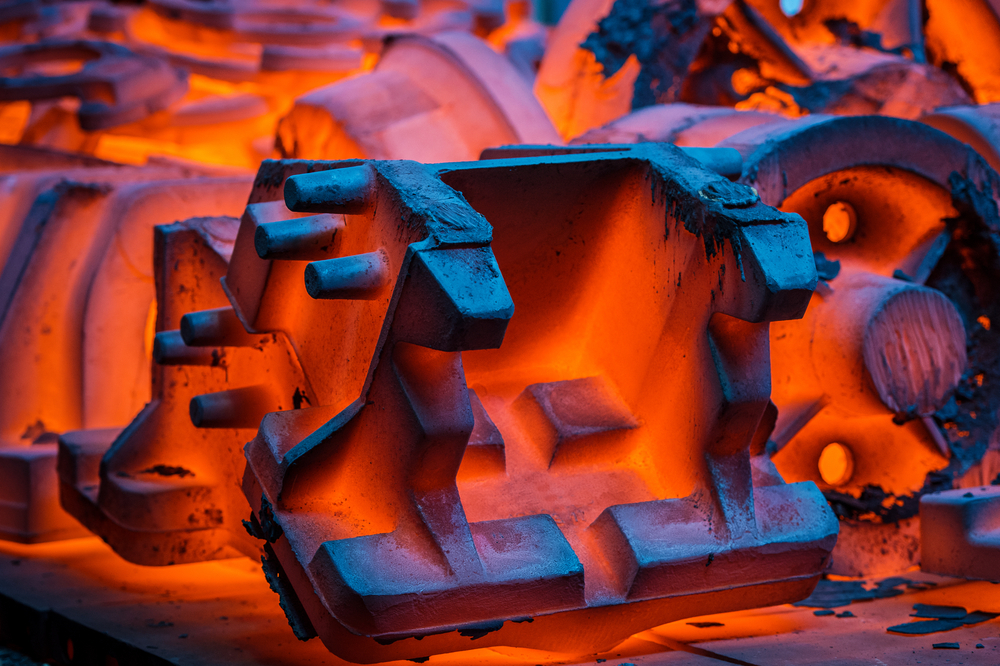
Molten Metal Pouring-Sand Casting Foundry Supplier Sourcing Buying Procurement Purchasing Guide Manufacturing Supplier in Turkey

ISO 8062-1:2007 – Geometrical product specifications (GPS) — Dimensional and geometrical tolerances for moulded parts — Part 1: Vocabulary

ISO/TS 8062-2:2013 – Geometrical product specifications (GPS) — Dimensional and geometrical tolerances for moulded parts — Part 2: Rules

ISO 8062-3:2007 – Geometrical product specifications (GPS) — Dimensional and geometrical tolerances for moulded parts — Part 3: General dimensional and geometrical tolerances and machining allowances for castings

Limitations: Dry vs. Green Sand Casting
The size of the component is constrained by the size of the flask or mould box because green sand casting is done inside of one of these. It is wise to inquire about the standard size of the box since it is typically an established standard for your foundry. The number of components you can fit in a mould box will directly affect your production rate and cost since a single mould box may include numerous mould cavities that are poured using the same gating system.

Because the mold pattern is built to fit the component being cast rather than a fixed volume, as with green sand casting, dry sand casting is not constrained by box size.

Due of the decreased surface strength of the mold, green sand casting is not suitable for long, thin geometries like fins or deep pockets. This is due to the possibility that the pressure of the molten metal entering the mold will be sufficient to distort or wipe away specific characteristics.

The dimensional stability of dry sand casting, on the other hand, is significantly greater under the pressure of the molten metal as it enters the mould, allowing for the possibility of finer detail with long and thin sections.
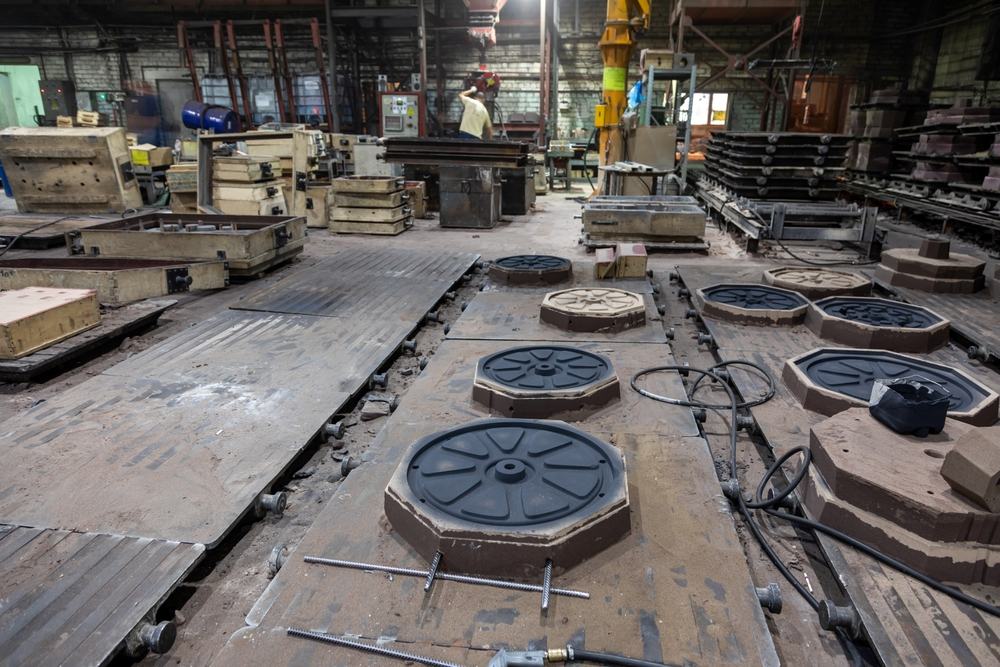
Testing techniques

For finished steel castings, magnetic particle inspection as well as dye penetrant testing can be used to check for porosity and cracking.

To check castings for internal flaws and keep a permanent record of the investigation, X-rays are frequently used. Ultrasonic testing is another option, but it doesn’t produce a record that will last forever. Visual inspection makes it simple to spot faults and known deficiencies in certain components.

ISO 4986:2010 Steel Castings – Magnetic Particle Inspection

ISO 4987:2010 Steel Castings – Liquid Penetrant Inspection

ISO 4992-1:2006 Steel castings — Ultrasonic examination — Part 1: Steel castings for general purposes

ISO 4992-2:2006 Steel castings — Ultrasonic examination — Part 2: Steel castings for highly stressed components

ISO 4993:2009 Steel and iron castings — Radiographic inspection

ISO 11971:2008 Steel and iron castings — Visual examination of surface quality

Sand castings are also frequently subjected to pressure testing because the molten metal must fill the mold only by gravity, which always results in some porosity in the casting. This can be reduced with a well-designed gate, runner, and feeder system; typically, your foundry will handle the design of this component.

HEAT TREATMENT

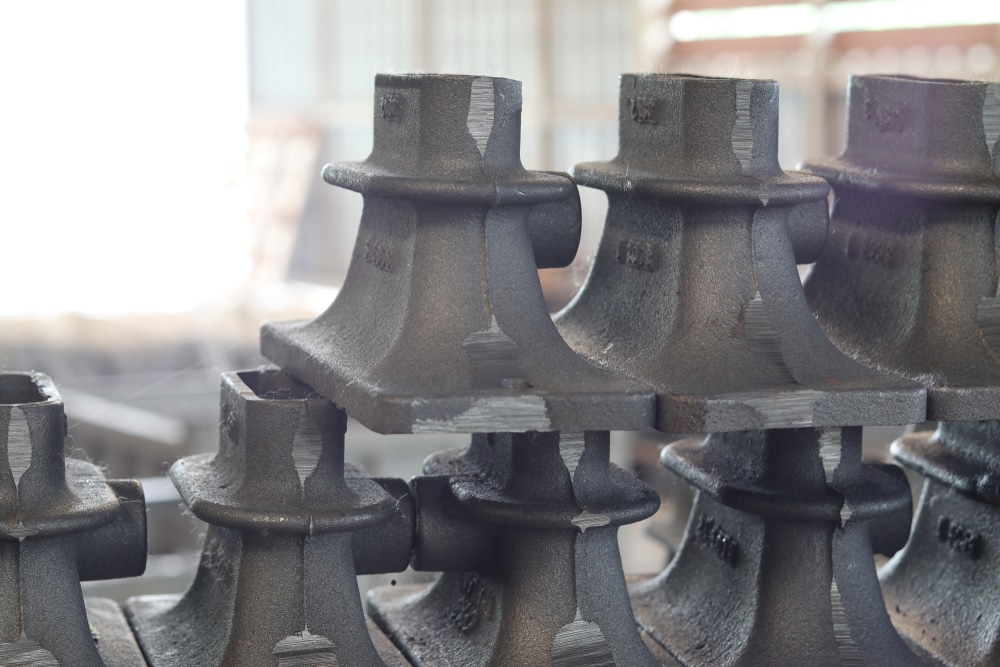
Once the sand mould has been separated from the casting, additional post-processing is necessary in addition to the obvious removal of the gates, runners, and feeders. Flash and any leftover witness marks are removed from gates, feeders, and runners by fettling, sanding, and grinding.

After that, castings normally require additional cleaning, which is typically accomplished using shot blasting. This eliminates discoloration and creates a surface finish that is consistent throughout the surface of the part. Any heat treatment that results in surface discoloration can be followed by doing this.

Heat treatment is frequently applied to both ferrous and non-ferrous castings for a variety of benefits, including as stress reduction, improved machinability, and greater strength.

Creating a sand casting of your design

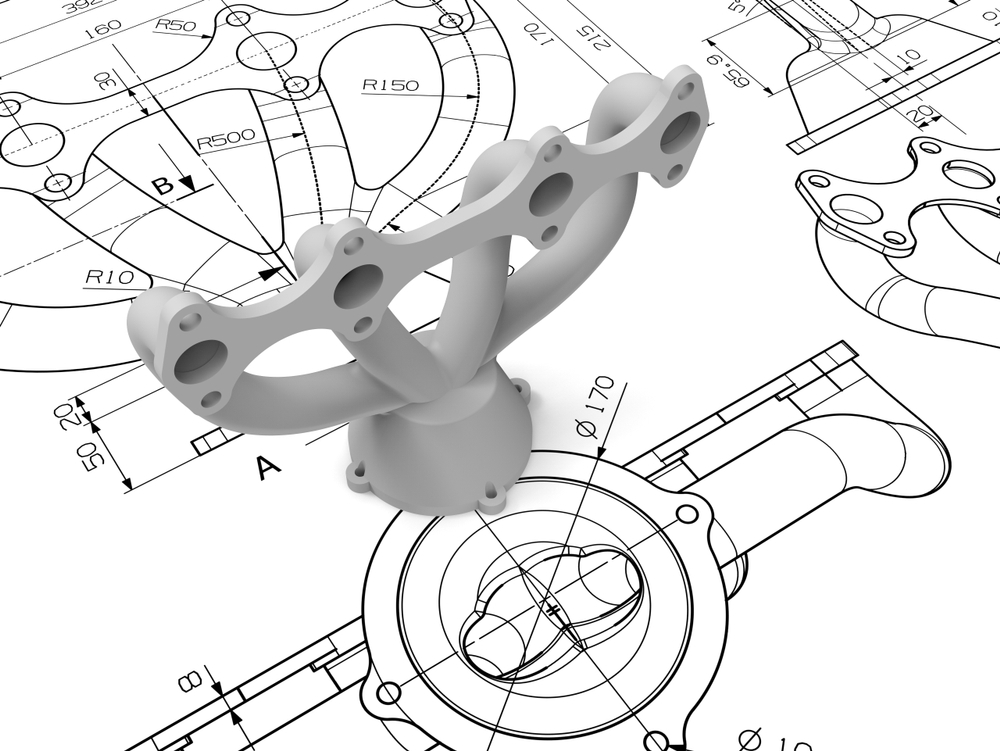
There is still some work involved in converting your desired completed geometry from a 3D model into castable geometry. the design of the runner, gate, and feeder system, as well as the incorporation of machining allowance, tolerancing allowance, and shrinkage allowance.

Process simulation for casting
Software for simulating the filling and cooling of the mould throughout the casting process is widely available. To help improve and prepare the geometry for casting, analysis of porosity areas, troublesome features, and predicted shrinkage can all be done.

Oversize Allowance
In order to account for shrinkage, your foundry will normally increase the component’s dimensions. Depending on the material, this increase can range from 5-20%. Although there is no requirement for your design here, it is important to keep in mind, particularly when speaking with your foundry.

Runners, Feeders, and Gates
Your foundry will use the geometry of your component to position the gates, runners, and feeding system first using their experience, and then optimization will be done using simulation and/or computation. In order to ensure that each mould cavity is filled evenly, your gate and runner system may need to transfer molten metal to many cavities.

SAND CASTING DRAWBACKS
Machine allowance and Surface Inclusions
It is understood that sand grains will be present as inclusions within the casting’s surface material. This is because as the molten metal runs through the mold, loose sand is taken up. If it is essential that the machined surface be fully free of sand grains, this must be taken into account while selecting the machining allowance.

Porosity
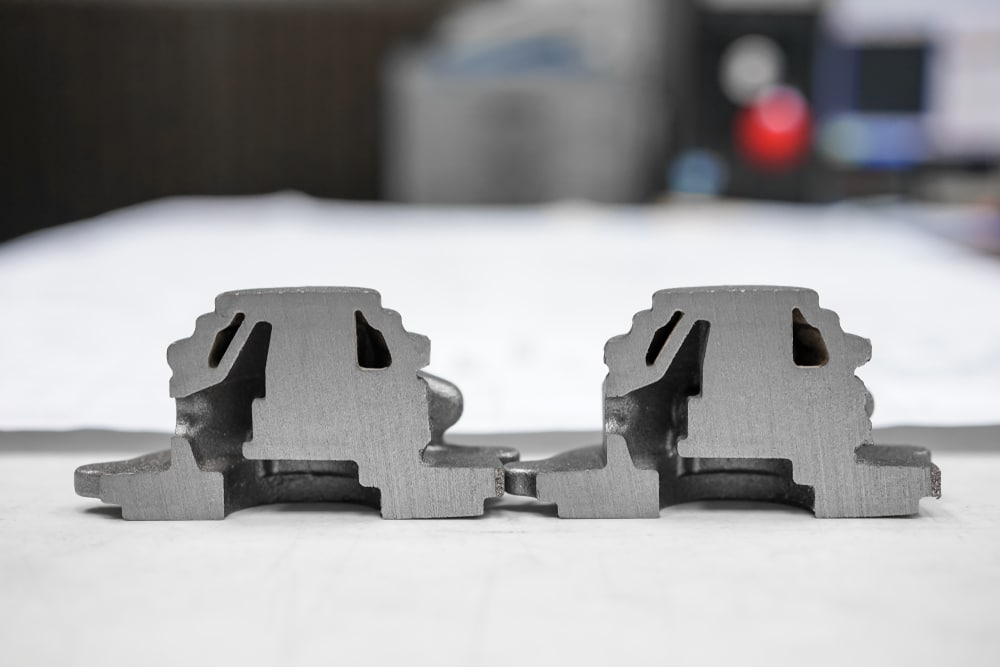
Even while the mold cavity appears to be full, it is actually not because liquid metal takes up more space than solid metal does. However, eventually the viscosity of the metal surpasses the drawing force of shrinkage. This is somewhat solved by utilizing feeders to allow the dragging of metal still in liquid form into the mould cavity. This indicates that the metal continues to cool and contract without the addition of new material, leading to porosity.

Even when the sand casting is well-designed for the procedure, porosity is more likely at the top because gas bubbles in the molten metal will try to climb up through the molten metal.
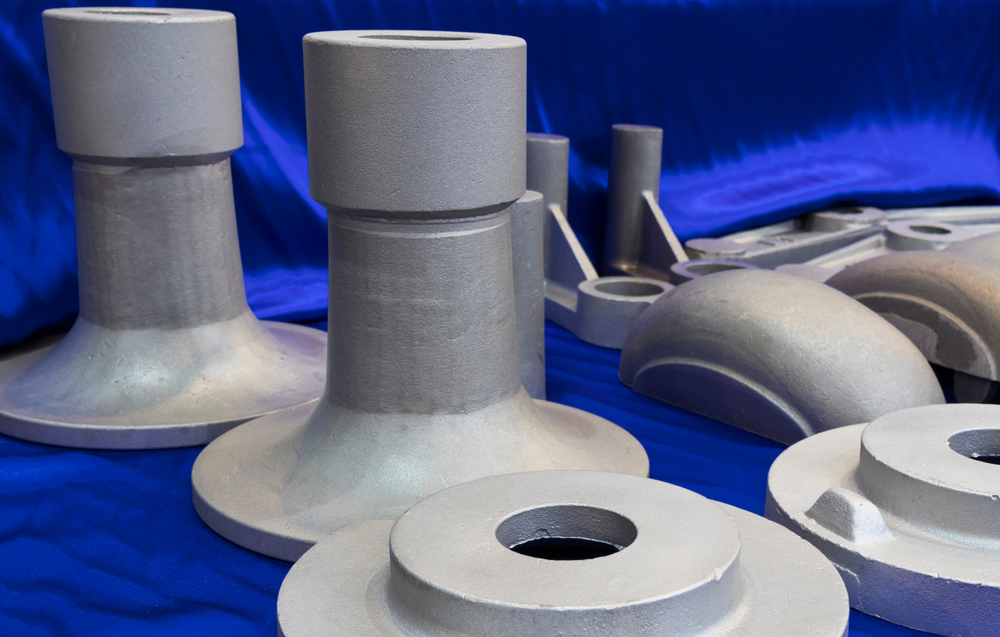
Sand-Casting-Design-Guide-Buying-Guide-Techinical-Inspection-Foundry-Products-Sourcing-in-Turkey

As a result, the design must contain appropriate amounts of porosity. Porosity need not necessarily affect a component’s functionality, especially if it only affects the surface and can be removed later through machining. Additionally, even if a surface is porous, a leak test can determine whether the overall sealing integrity is still enough for the design. However, further machining and treatment can cause pores to link, resulting in leakage even if a casting passes a leak test.

A casting can be resin impregnated if porosity is a problem but the design allows it. During this process, resin is often pumped under vacuum into the casting to fill the small pores as well as the surface.

Considerations for casting impregnation
-The completed component should be impregnated after machining. It has no effect on the finished size or appearance.
-The presence of resin can preclude a totally integrated weld when welding a casting.
-Pressure decay and leak testing may prove to be more expensive than 100% casting impregnation.
-Resin can be infused into any sand cast material.
Components that were never meant to be “leak tight” can likewise experience issues due to porosity. Problems can arise with powder coating in particular because the component “outgases” when the powder coat is baked or cured. Poor adherence of the powder coating is caused by trapped gasses that simply expand and push their way to the surface.

DESIGN GUIDANCE FOR SAND CASTING
Because sand casting is a very adaptable method that can produce highly complicated shapes and internal geometry, design guidance can be rather general.

The foundry should be involved in the finer design elements, but the earlier you can get guidance on how to optimize a design for sand casting, the better.

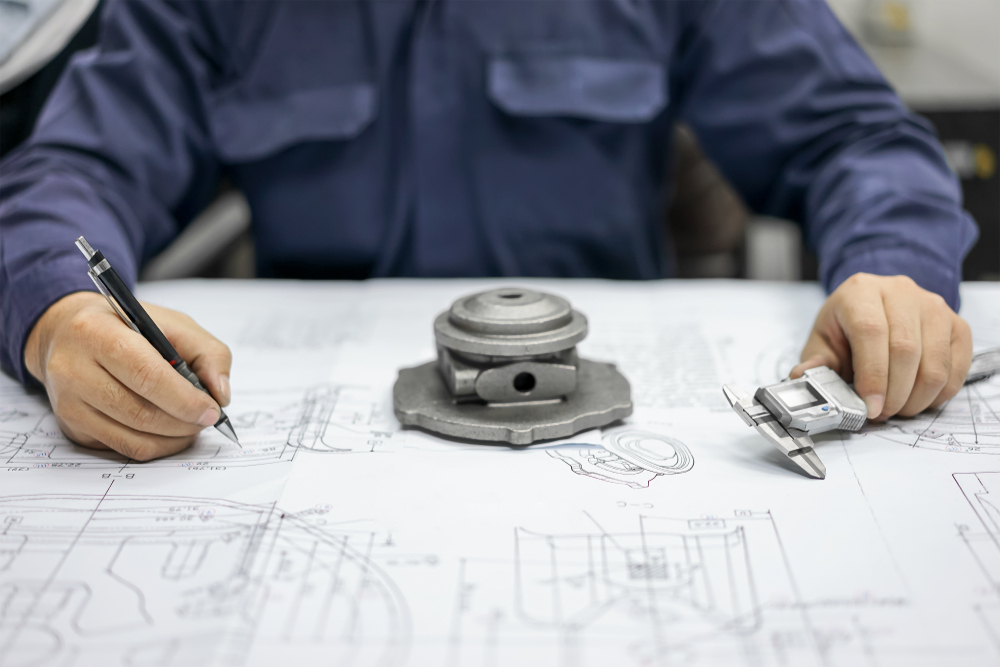
Radii Smooth, flowing contours make sense for the geometry because the procedure includes the flow of molten metal. This avoids turbulence during mould fill and a wide range of possible faults.

However, higher localized material thickness that results from increased Radii is also undesirable and can result in flaws when the material cools and shrinks.

Therefore, it is generally recommended to produce smooth corners with a Radii that is appropriate for the thickness of material being moulded on the mould surfaces and any cores.

Internal radii typically equal 1 to 1.25 times wall thickness

Wall thickness + Internal Radii = Typical External Radii
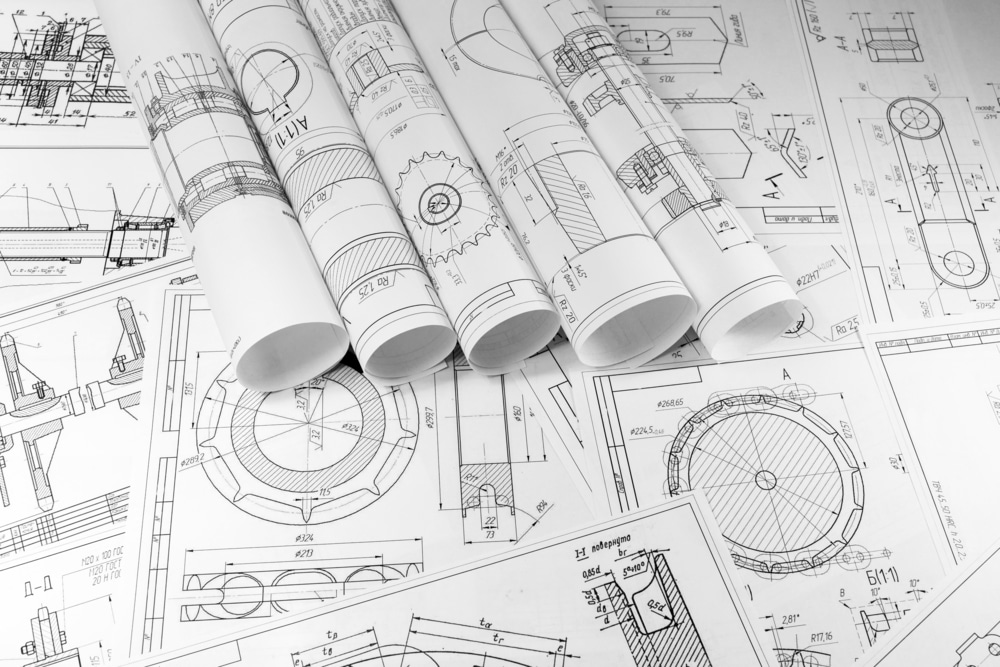
Sand-Casting-Desing-Drawing-Engineering-Foundry-Manufacturing-Supplier-in-Turkey

Therefore, it should go without saying that an external radius should be added in addition to an internal one to prevent a concentrated thick portion in the casting’s corner.

The radius may be determined from the thinnest wall section when several wall thicknesses are linked at a corner, but be ready to fine-tune this with your foundry.

Changes in Section or “Thickness”
Now you hear that everything should have a consistent wall thickness, but you also hear that you should include a draft angle—two suggestions that, in certain situations, seem to be at odds with one another. So let’s explain this.

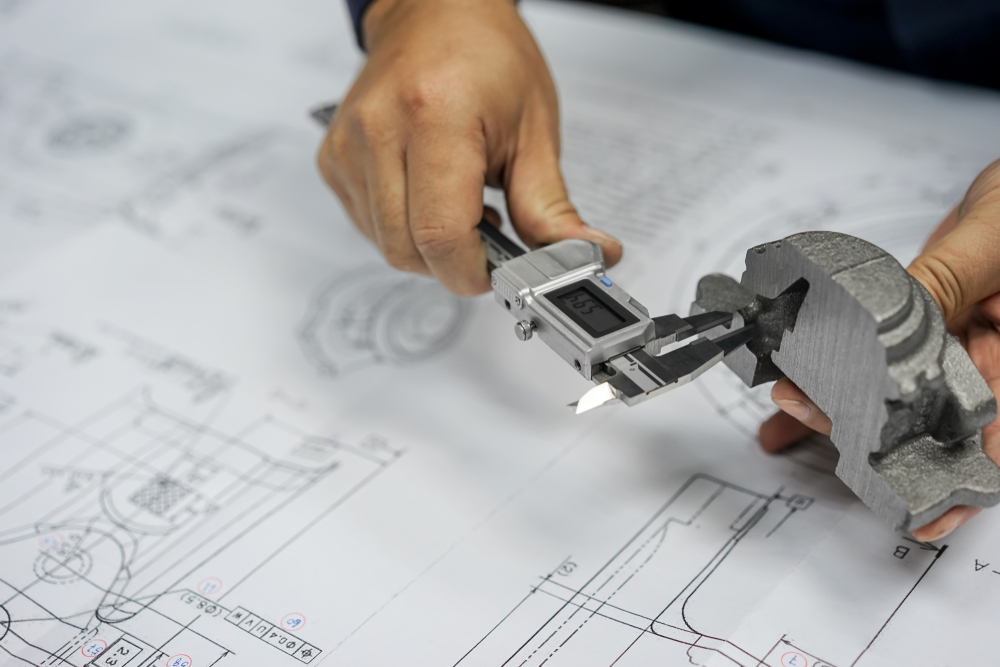
Although it is often impractical to have walls of constant thickness, the idea is not to isolate thicker portions of the casting during cooling. The thicker piece will cool last, and if the entire area of metal has solidified before it, when it cools it cannot “feed” from the areas around it, which can result in flaws like porosity or ripping.
Sand-Casting-Desing-Drawing-Engineering-Foundry-Manufacturing-Supplier-Source-in-Turkey

*Create your component with any thickness increments going uniformly in one direction.

As a result, it is OK to raise the wall thickness of your component as you move toward the “top” if it has a 3mm wall thickness at the bottom. By having the material “feed” from top to bottom, you may prevent porosity.

That is a greatly oversimplified illustration because actual components are far more complicated than that. Therefore, I advise speaking with your foundry about the direction of the sand casting within the sand mould before working on constructing the walls to enable proper feeding.

When drastic thickness changes are needed for design or production reasons, utilize a taper to achieve the desired thickness change instead.

Minimum Taper: 1:4 if wall thickness is doubled.

It is important to explore the possibilities for thickness modifications with your foundry in light of your material.

Use of ribs or webs is a clever technique for boosting localized stiffness in a sand casting; these can enhance stiffness greatly when compared to just increasing wall thickness. Ribs and webs that you design in must adhere to the same minimum wall thickness and radius requirements.

Draft Angles
The sole purpose of the draft angles is to make it possible to remove the sand mold from the pattern. A typical draft on both internal and external surfaces should be around 2 degrees; 1 degree is highly likely. But another important factor in defining the angle that can be used is the length or depth of a feature; the longer the feature, the steeper the angle needed.

A sharper draft angle of 3-5 degrees will greatly aid in manufacturing consistent sand moulds, even if it is not design necessary.

The precise sand casting method your foundry employs will consequently have a considerable impact on the draft angles that can be achieved. Dry sand casting allows for the use of tiny draft angles over significant depths since the moulds are more stronger than those used in green sand moulding.

Junctions
Areas of natural localized thickness, such as an X-Junction or T-Junction, are called junctions. Consequently, you should use caution when creating features that lead to these “Junctions”. Internal elements like ribs and webs or outward protrusions like fins or brackets are common examples of junctions.

When external and interior geometry that are functionally unrelated are positioned on the same portion of the casting wall, less visible connections may become apparent. For instance, an internal rib may share the same casting wall space as a boss or lug on the casting’s exterior.

Moving these functionally unrelated features farther apart on the casting’s wall would minimize or even completely eliminate localized thickening.

Parting Lines
Once more, your foundry will be in the best position to advise on a good parting line because of how its location will affect the design-related tasks it will handle.

Even when theoretically creating, it’s a good idea to be mindful of possible separation lines because they might place many restrictions on your design.

When determining a separation line, keep the following in mind:

*It should be at a sand casting’s edges or corners rather than along flat surfaces.
*It should be as low as feasible in the sand casting for less dense materials (such as aluminum alloys).
*It need to be situated around halfway up the sand casting in cases where the material is more dense (such as iron).

SUMMARY

Sand casting is a very flexible process, and there are lots of things that can be optimized in the production process to attain the tolerances, finishes, and price points you want. Early consideration of the manufacturing process, as always, will result in a design that is fundamentally more cost-effective in terms of both the price per piece of the product and the cost of product creation. Hopefully, this post has given you some pointers on things to watch out for during design as well as some words that will help you communicate with your foundry much more effectively.

How to find suitable sand casting foundry for your requirements in Turkey?

Best Sourcing Procurement Buying Purchasing Sand Casting Foundry Decision Process Parts in Turkey

There are numerous foundries in Turkey that specialize in both airset and green sand casting (and a mixture of everything in between). If you’re looking for a manufacturer for your project, head over to the Supplier Search via Google or supplier search websites, where you can look for a manufacturer who offers the mix of procedures you need to optimize and streamline your supply chain.
Qualités de matériaux de moulage de précision offertes par les produits de fonderie Modulus Metal-Investment Casting en Turquie

Investment Casting Materials Grades Steels Carbon Alloy High Low Stainless Aluminum Cobalt Copper in Turkey Foundry Modulus Metal Supplier

Nous proposons une gamme de composants de précision utilisant divers matériaux de moulage de précision en tant que l’un des fournisseurs de produits de moulage de précision en Turquie. Le moulage à la cire perdue est une procédure compliquée. Nous devons tenir compte des objectifs des produits finis, des matériaux rentables, des défauts de moulage de précision et de la limitation des opérations secondaires après le moulage. Les composants finaux peuvent avoir des dimensions précises, des surfaces lisses et peuvent avoir des parois minces ou d’autres caractéristiques avantageuses. Le choix du matériau a un impact significatif sur la capacité d’intégrer avec succès les qualités de la pièce moulée.

Matériaux de moulage de précision :

Lors du choix du matériau pour le carter d’investissement, il existe une large gamme d’alliages à choisir. Celles-ci consistent en :

Aciers inoxydables : En comparant l’acier inoxydable à de nombreux autres matériaux, il a une plus grande durabilité. La promesse du matériau a encouragé les concepteurs et les ingénieurs à l’utiliser plus fréquemment dans le moulage de précision. Les applications pour l’acier inoxydable comprennent divers engrenages, équipements de camping, têtes de club de golf et composants de boîte de vitesses pour automobiles.,
Aciers au carbone : Un matériau typique à faible coût, l’acier au carbone est disponible dans un certain nombre de nuances, les classifications variant en fonction de la quantité de carbone présente. Grâce au traitement thermique, les performances, la ductilité et la résistance de l’acier au carbone peuvent toutes être améliorées dans les environnements industriels. En raison de ses qualités ferromagnétiques, l’acier au carbone est un bon matériau pour les moteurs et les équipements électriques. L’un des alliages les plus utilisés au monde en raison de sa sécurité, de sa ténacité et de sa grande intégrité structurelle.

Aciers faiblement alliés : De par leur accessibilité et leurs caractéristiques mécaniques avantageuses, les aciers faiblement alliés font partie des aciers les plus utilisés dans l’industrie mécanique. Il est possible de concevoir des pièces qui ont des qualités variables à divers endroits de la même pièce en utilisant des méthodes de traitement thermique spécialisées. Une surface peut être rendue dure et résistante aux chocs en appliquant différents traitements thermiques, tandis qu’une surface différente peut devenir résistante à l’usure.

Alliages d’aluminium : La substance la plus couramment utilisée dans le moulage de précision est l’alliage d’aluminium. Les secteurs les plus courants qui l’utilisent sont l’aéronautique, l’avionique, l’électronique et le militaire. Grâce à la résistance accrue du matériau et à la disponibilité de pièces moulées de haute qualité en alliage aluminium-silicium-magnésium, des pièces moulées sont désormais disponibles pour des applications exigeantes telles que les composants d’avion.

Super alliages : Les super alliages à base de nickel et de cobalt sont fréquemment utilisés dans les secteurs maritime, aérospatial, énergétique, médical et chimique. Les alliages à base de cobalt surpassent leurs homologues à base de nickel en termes de résistance à la corrosion, à l’oxydation et à l’usure, tandis que les alliages à base de nickel sont plus résistants à des températures élevées. Parce qu’ils offrent une rigidité élevée et des qualités de service améliorées tout en restant une solution économique, les superalliages remplacent de plus en plus fréquemment la tôle.

Alliages de cuivre : Les alliages à base de cuivre ont de faibles taux d’usure et sont résistants à la corrosion. Ils sont largement utilisés dans des applications telles que les pièces électriques et de plomberie, les hélices de navires ou de pompes et les composants électriques. Il existe plus de 400 alliages distincts, qui sont un matériau polyvalent avec un large éventail de qualités. Les alliages à base de cuivre peuvent être utilisés pour couler à la cire perdue une variété de types de pièces. Le bronze et le laiton sont des exemples d’alliages à base de cuivre qui sont plus largement utilisés. L’alliage de cuivre le plus résistant est le béryllium-cuivre, qui est similaire aux aciers alliés à haute résistance en termes de caractéristiques mais qui a une plus grande résistance à la corrosion sur de plus longues périodes.

Fonte: La fonte grise et la fonte ductile sont fréquemment utilisées dans les pièces moulées, réputées pour leur grande précision et leur faible coût. La résistance élevée, la résistance à la chaleur et la ténacité sont les caractéristiques de la fonte ductile, bien que sa fabrication soit plus difficile que celle des autres aciers. En conséquence, l’acier moulé a un coût de production inférieur.

Feinguss-Materialqualitäten, die von Modulus Metal-Feinguss-Gießereiprodukten in der Türkei angeboten werden

Investment Casting Material Grades Steels Carbon Alloy High Low Stainless Aluminum Cobalt Copper in Turkey Foundry Modulus Metal


Als einer der Lieferanten von Feingussprodukten in der Türkei bieten wir eine Reihe von Präzisionskomponenten aus verschiedenen Feingussmaterialien an. Feinguss ist ein kompliziertes Verfahren. Wir müssen die Zwecke der fertigen Waren, kostengünstige Materialien, Feingussfehler und die Begrenzung der Nachbearbeitungen nach dem Gießen berücksichtigen. Endkomponenten können präzise Abmessungen, glatte Oberflächen und dünne Wände oder andere vorteilhafte Merkmale aufweisen. Die Materialwahl hat einen wesentlichen Einfluss darauf, ob die Qualitäten des Gussteils erfolgreich eingebracht werden können.

Feingussmaterialien:

Bei der Wahl des Materials für Einbettmassehüllen steht eine große Auswahl an Legierungen zur Auswahl. Diese bestehen aus:

Edelstähle: Im Vergleich zu vielen anderen Materialien hat Edelstahl eine höhere Haltbarkeit. Das Versprechen des Materials hat Designer und Ingenieure ermutigt, es häufiger im Feinguss einzusetzen. Zu den Anwendungen für Edelstahl gehören verschiedene Zahnräder, Lagerausrüstung, Golfschlägerköpfe und Getriebekomponenten für Automobile.,

Kohlenstoffstähle: Kohlenstoffstahl ist ein typisches kostengünstiges Material und in einer Reihe von Qualitäten erhältlich, wobei sich die Klassifizierungen je nach vorhandener Kohlenstoffmenge ändern. Durch Wärmebehandlung können die Leistung, Duktilität und Festigkeit von Kohlenstoffstahl in industriellen Umgebungen verbessert werden. Aufgrund seiner ferromagnetischen Eigenschaften ist Kohlenstoffstahl ein gutes Material für Motoren und elektrische Geräte. Eine der weltweit am häufigsten verwendeten Legierungen aufgrund ihrer Sicherheit, Zähigkeit und großen strukturellen Integrität.

Niedriglegierte Stähle: Niedriglegierte Stähle gehören aufgrund ihrer Zugänglichkeit und vorteilhaften mechanischen Eigenschaften zu den am häufigsten verwendeten Stählen in der Maschinenbauindustrie. Es ist möglich, Teile mit unterschiedlichen Qualitäten an verschiedenen Stellen desselben Werkstücks unter Verwendung spezieller Wärmebehandlungsverfahren zu entwerfen. Eine Oberfläche kann durch unterschiedliche Wärmebehandlungen zäh und schlagfest gemacht werden, während eine andere Oberfläche verschleißfest werden kann.

Aluminiumlegierungen: Die beim Feinguss am häufigsten verwendete Substanz ist eine Aluminiumlegierung. Die häufigsten Sektoren, in denen es verwendet wird, sind Flugzeuge, Avionik, Elektronik und Militär. Dank der erhöhten Festigkeit des Materials und der Verfügbarkeit hochwertiger Gussteile aus Aluminium-Silizium-Magnesium-Legierungen sind jetzt Gussteile für anspruchsvolle Anwendungen wie Flugzeugkomponenten verfügbar.

Superlegierungen: Superlegierungen auf Basis von Nickel und Kobalt werden häufig in den Bereichen Schifffahrt, Luft- und Raumfahrt, Energie, Medizin und Chemie eingesetzt. Legierungen auf Kobaltbasis übertreffen ihre Gegenstücke auf Nickelbasis in Bezug auf Korrosion, Oxidation und Verschleißfestigkeit, während Legierungen auf Nickelbasis bei hohen Temperaturen fester sind. Aufgrund ihrer hohen Steifigkeit und verbesserten Gebrauchseigenschaften bei gleichzeitiger Kosteneffizienz ersetzen Superlegierungen immer häufiger Bleche.

Kupferlegierungen: Legierungen auf Kupferbasis sind verschleißarm und korrosionsbeständig. Sie werden in großem Umfang in Anwendungen eingesetzt, darunter Elektro- und Sanitärteile, Schiffs- oder Pumpenpropeller und elektrische Komponenten. Es gibt mehr als 400 verschiedene Legierungen, die ein vielseitiges Material mit einer breiten Palette von Qualitäten sind. Legierungen auf Kupferbasis können zum Feingießen einer Vielzahl von Teiletypen verwendet werden. Bronze und Messing sind Beispiele für Legierungen auf Kupferbasis, die weiter verbreitet sind. Die stärkste Kupferlegierung ist Beryllium-Kupfer, das in seinen Eigenschaften hochfesten legierten Stählen ähnelt, jedoch über längere Zeiträume eine größere Korrosionsbeständigkeit aufweist.

Gusseisen: Grauguss und Sphäroguss werden häufig in Gussteilen verwendet, die für ihre hohe Genauigkeit und geringen Kosten bekannt sind. Hohe Festigkeit, Hitzebeständigkeit und Zähigkeit sind Eigenschaften von Gusseisen mit Kugelgraphit, obwohl seine Herstellung schwieriger ist als die anderer Stähle. Als Ergebnis weist Gussstahl niedrigere Produktionskosten auf.

Investment Casting Material Grades offered by Modulus Metal-Investment Casting Foundry products in Turkey

Investment Casting Grades Steels Carbon Alloy High Low Stainless Aluminum Cobalt Copper in Turkey Foundry Modulus Metal

We offer a range of precision components using various investment casting materials as one of the suppliers of investment casting products in Turkey. Investment casting is a complicated procedure. We must take into account the purposes of the finished goods, cost-effective materials, precision casting flaws, and limiting the secondary operations after the casting. Final components can have precise dimensions, smooth surfaces, and can have thin walls or other advantageous features. The choice of material has a significant impact on whether the qualities of the casting part can be successfully incorporated.

Investment Casting Materials:

When choosing the material for investment casing, there is a wide range of alloys to choose. These consist of:

Stainless Steels: Comparing stainless steel to many other materials, it has a higher durability. The material’s promise has encouraged designers and engineers to use it more frequently in investment casting. Applications for stainless steel include various gears, camp equipment, golf club heads, and gearbox components for automobiles.,

Carbon Steels: A typical low-cost material, carbon steel is available in several grades, with the classifications altering depending on the quantity of carbon present. Through heat treatment, carbon steel’s performance, ductility, and strength can all be enhanced in industrial settings. Because of its ferromagnetic qualities, carbon steel is a good material for motors and electrical equipment. One of the most widely used alloys in the world due to its safety, toughness, and great structural integrity.

Low Alloy Steels : Due to their accessibility and advantageous mechanical characteristics, low alloy steels are among the most widely utilized steels in the mechanical industry. It is feasible to design parts that have varying qualities in various locations of the same workpiece using specialized heat-treating methods. One surface can be made tough and impact-resistant by applying differing heat treatments, whereas a different surface can become wear-resistant.

Aluminum Alloys: The most common substance used in investment casting is aluminum alloy. The most common sectors that use it are aircraft, avionics, electronics, and military. Thanks to the material’s increased strength and the availability of high-quality castings made from aluminum-silicon-magnesium alloy, castings are now available for demanding applications like airplane components.

Super Alloys: Super alloys based on nickel and cobalt are frequently used in the maritime, aerospace, energy, medical, and chemical sectors. Cobalt-based alloys outperform their nickel-based counterparts in terms of corrosion, oxidation, and wear resistance while nickel-based alloys are stronger at high temperatures. Because they offer high stiffness and improved service qualities while still being a cost-effective solution, super alloys are replacing sheet metal more and more frequently.

Copper Alloys: Alloys based on copper have low rates of wear and are resistant to corrosion. They are widely utilized in applications including electrical and plumbing parts, ship or pump propellers, and electrical components. There are more than 400 distinct alloys, which are a versatile material with a wide range of qualities. Copper-based alloys can be used to investment cast a variety of part types. Bronze and brass are examples of copper-based alloys that are more widely used. The strongest copper alloy is beryllium-copper, which is similar to high-strength alloy steels in terms of characteristics but has greater corrosion resistance over longer periods of time.

Cast Iron: Gray iron and ductile iron are frequently used in castings, which are renowned for their great accuracy and low cost. High strength, heat resistance, and toughness are characteristics of ductile iron, although its manufacturing is more difficult than that of other steels. As a result, cast steel has a lower production cost.

Feinguss für medizinische Anwendungen in der Türkei

Investment Casting Lost Wax Casting Foundry Medical Parts Products Supplier in Turkey

Medizinische Ausrüstung ist neben dem Bergbau, der Baumaschinenindustrie und der Ölfeldindustrie einer der Hauptsektoren, die unser Feingussservice bedient. Wenn in medizinischen Anwendungen komplizierte Metallkomponenten erforderlich sind, werden Feingussteile verwendet. Modulus Metal ist in der Lage, dank unserer hochmodernen Feingusstechnologie alle Metalllegierungen, einschließlich Edelstahl, Aluminium und andere, in präzisen Proportionen zu gießen. Medizinische Feingussteile sind bei uns erhältlich für:

OP-Ausstattung wie OP-Tische

MRT-Ausrüstung, Röntgengerät

Rollstühle, Tragen und verwandte Artikel

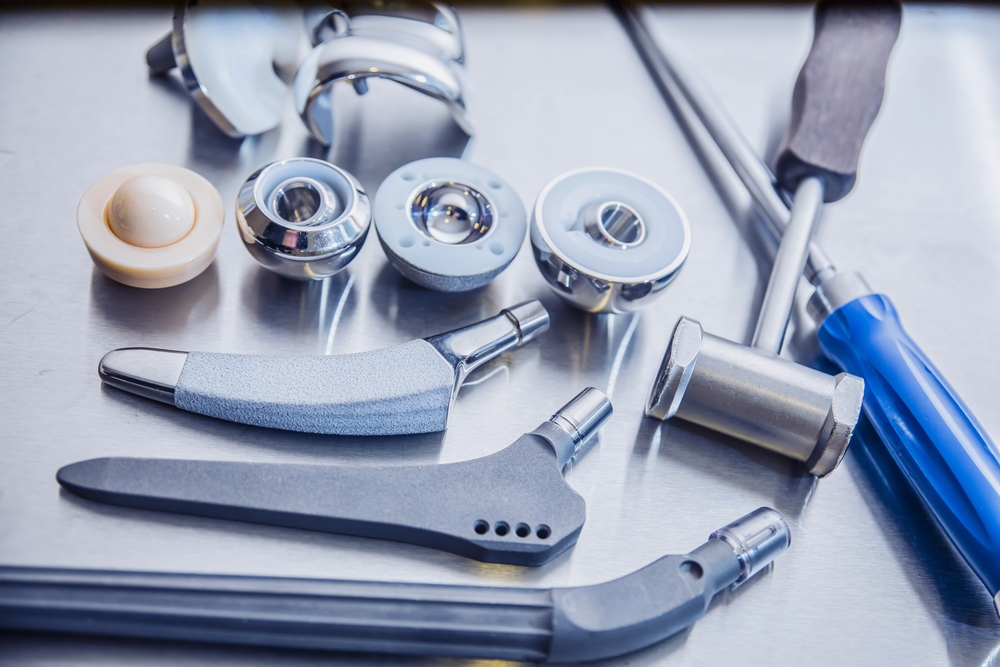
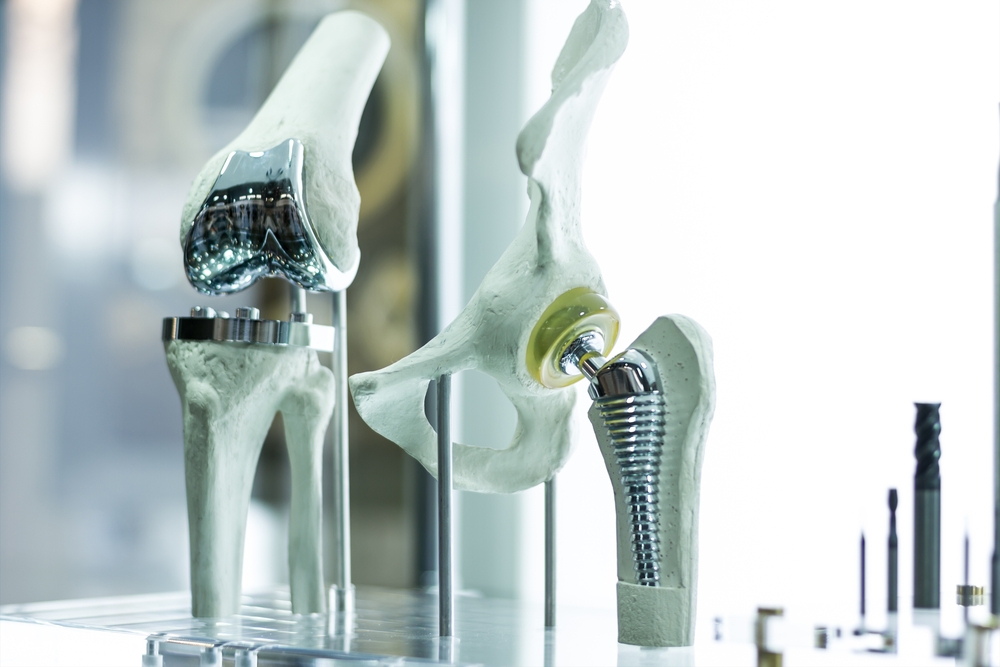
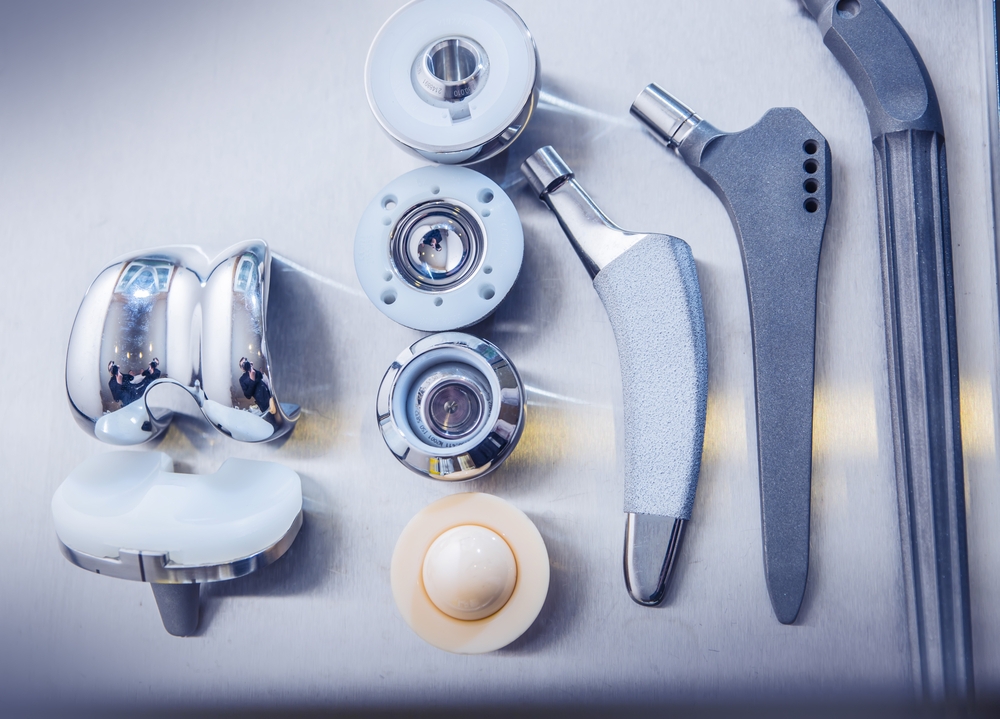
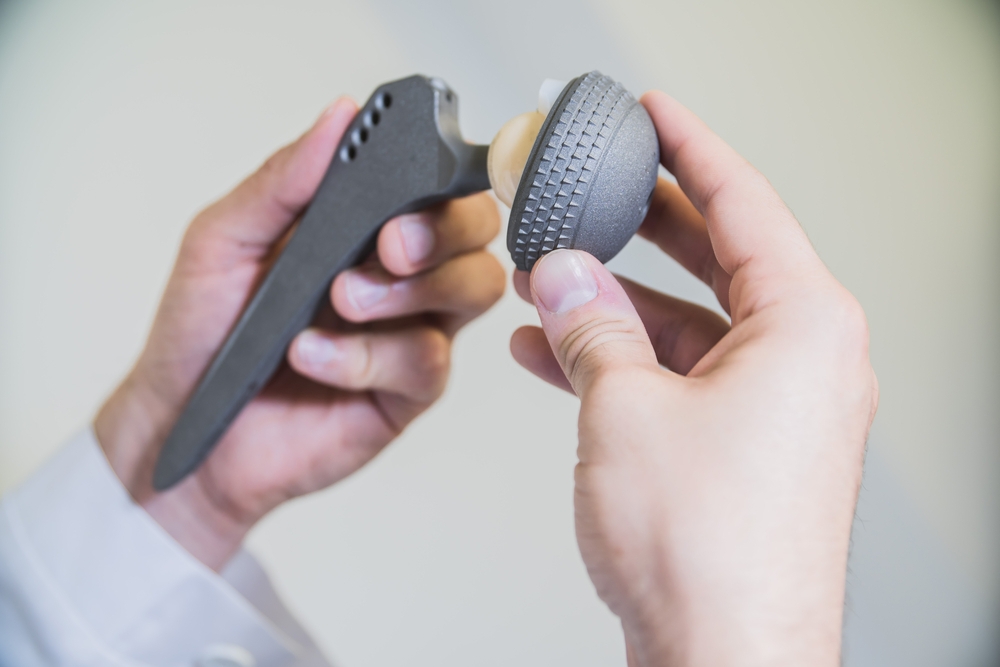
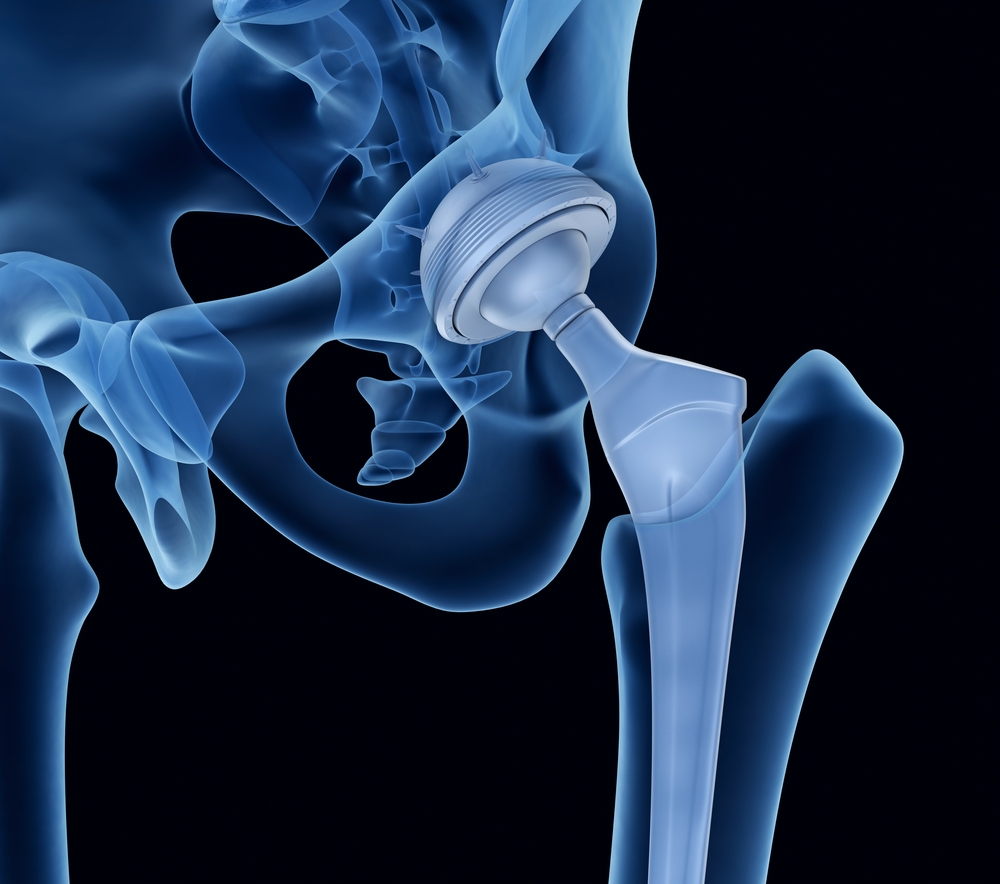
Geräte, die Verletzungen stabilisieren, implantierbare Teile

Krankenhausbetten, Komponenten von Stehrahmen

Für medizinische Zwecke bietet Feinguss eine Vielzahl von Materialien in verschiedenen Stahl- und Aluminiumqualitäten. Diese Teile können im Feingussverfahren nach dem Wachsausschmelzverfahren hergestellt werden. Feingussteile für medizinische Anwendungen erreichen eine bemerkenswerte Konsistenz mit hoher Qualität, von der Formenherstellung für jedes geometrische Detail bis hin zu einem außergewöhnlichen halbautomatischen Gießprozess, der computergesteuert ist. Grate werden für eine glatte Oberfläche nach dem Gießen entfernt. Für spezifische Anforderungen können Nachbehandlungen einschließlich Oberflächenbeschichtungen, Wärmebehandlung und maschinelle Bearbeitung angewendet werden.

Feinguss ist kurz gesagt ein produktiver Prozess zur Herstellung medizinischer Metallkomponenten. Bei langen Fertigungsläufen kann es konsistente Komponenten liefern. Um den Lagerbestand zwischen den Mindest- und Höchstwerten zu halten, kann diese Technik verwendet werden, um diese Komponenten regelmäßig zu gießen, wodurch sichergestellt wird, dass die Teile pünktlich und regelmäßig an den Kunden geliefert werden.

Warum Modulus Metal?
Qualität
: Modulus Metal liefert unseren Kunden weltweit mit Hilfe unserer hochmodernen Produktionsmethode und unseres soliden technischen Personals kontinuierlich hochwertige medizinische Feingussteile. Jede Charge von Artikeln wird geliefert, wenn wir die relevanten Testergebnisse zur Genehmigung an unsere Kunden übermitteln.
Service: Wir stellen unsere Kunden immer an die erste Stelle und denken an sie vom ersten Kostenvoranschlag bis zur endgültigen Lieferung, damit sie unsere Aufrichtigkeit und unseren hervorragenden Service spüren können.
Neueste Technologie: Halbautomatische Wachspressen, Roboterschälen, ein markanter Hochgeschwindigkeits-Infrarot-Trockentunnel und 3D-Modellierungsfunktionen, die die strengen Anforderungen unserer Kunden erfüllen können, sind Beispiele unserer neuesten Feingusstechnologie.

Modulus Metal Investment Castingwalker-special-child-cerebral-palsy-isolated Parts Products Supplier in Turkey Modulus Metal

Moulage de précision pour applications médicales en Turquie

Investment Casting Lost Wax Casting Foundry Medical Parts Products Supplier in Turkey implant-hip-joint

L’équipement médical est l’un des principaux secteurs que notre service de moulage de précision, avec l’industrie minière, l’industrie des machines de construction et l’industrie des champs pétrolifères. Lorsque des composants métalliques complexes sont nécessaires dans des applications médicales, des moulages de précision sont utilisés. Modulus Metal est capable de couler tous les alliages métalliques, y compris l’acier inoxydable, l’aluminium et autres, dans des proportions précises grâce à notre technologie de fonderie de pointe. Des moulages de précision médicaux sont disponibles chez nous pour :

Équipement de salle d’opération tel que tables d’opération

Équipement IRM, appareil à rayons X

Fauteuils roulants, civières et articles connexes

Dispositifs qui stabilisent les blessures, pièces implantables

Lits d’hôpitaux, composants de cadres debout

À des fins médicales, le moulage de précision fournit une variété de matériaux dans différentes qualités d’acier et d’aluminium. Ces pièces peuvent être produites à l’aide de la technologie de moulage à la cire perdue qui utilise la technique de la cire perdue. Les moulages de précision créés pour des applications médicales atteindront une cohérence remarquable avec une qualité élevée, de la fabrication de moules pour chaque détail géométrique à un processus de moulage semi-automatique exceptionnel contrôlé par ordinateur. Les bavures seront éliminées pour une surface lisse après la coulée. Pour des exigences spécifiques, des post-traitements comprenant des revêtements de surface, un traitement thermique et un usinage peuvent être appliqués.

Le moulage de précision, en un mot, est un processus productif pour la production de composants métalliques médicaux. Dans les longs cycles de fabrication, il peut fournir des composants cohérents. Pour maintenir les stocks entre les niveaux minimum et maximum, cette technique peut être utilisée pour couler régulièrement ces composants, garantissant que les pièces sont livrées ponctuellement et régulièrement au client.

Pourquoi Modulus Métal ?
Qualité 
: Modulus Metal fournit constamment des moulages de précision médicaux de haute qualité à nos clients du monde entier grâce à notre méthode de production de pointe et à notre personnel technique solide. Chaque lot d’articles sera livré lorsque nous transmettrons les résultats des tests pertinents à nos clients pour approbation.
Service : Nous accordons constamment la priorité à nos clients et pensons à eux de la première estimation à la livraison finale afin qu’ils puissent sentir notre sincérité et notre service exceptionnel.
Technologie la plus récente : des presses à cire semi-automatiques, un décorticage robotisé, un tunnel de séchage de coque infrarouge à grande vitesse distinctif et des capacités de modélisation 3D, qui peuvent répondre aux besoins stricts de nos clients, sont des exemples de notre technologie de moulage de précision la plus récente.

Modulus Metal Investment Castingwalker-special-child-cerebral-palsy-isolated Parts Products Supplier in Turkey Modulus Metal

Investment Casting for Medical Applications in Turkey

Investment Casting Lost Wax Casting Foundry Medical Parts Products Supplier in Turkey transplantation-joints-feet Modulus Metal

Medical equipment is one of the primary sectors that our investment castings service, along with the mining business, construction machinery industry, and oilfield industry. When intricate metal components are required in medical-related applications, investment castings are utilized. Modulus Metal is able to cast any metal alloys, including stainless steel, aluminum, and others, in precise proportions thanks to our cutting-edge investment casting technology. Medical investment castings are available from us for:

Operation room equipment such as operating tables

MRI equipment, X-ray device

Wheelchairs, stretchers, and related items

Devices that stabilize injuries, implantable parts

Hospital beds, Standing Frames Components

For medical purposes, investment casting provides a variety of materials in different grades of steel and aluminum. These parts can be produced using investment casting technology that use the lost wax technique. Investment castings created for medical applications will attain remarkable consistency with high quality, from mold manufacturing for every geometric detail to an exceptional semi-automotive casting process controlled by computer. Burrs will be eliminated for a smooth surface after casting. For specific requirements, post-treatments including surface coatings, heat treatment, and machining may be applied.

Investment casting, in a nutshell, is a productive process for producing medical metal components. In lengthy manufacturing runs, it can provide consistent components. To maintain inventory between the minimum and maximum levels, this technique may be used to regularly cast these components, guaranteeing that the parts are punctually and regularly supplied to the client.

Why Modulus Metal ?
Quality
: Modulus Metal consistently provides high-quality medical investment castings to our clients worldwide with the help of our cutting-edge production method and solid technical staff. Each batch of items will be delivered when we transmit the relevant testing results to our clients for approval.
Service: We constantly put our clients first and think about them from the first estimate to final delivery so that they can sense our sincerity and outstanding service.
Most recent technology: Semi-automatic wax presses, robotic shelling, a distinctive high-speed infrared shell drying tunnel, and 3D modeling capabilities, which can satisfy our customers’ strict needs, are examples of our most recent investment casting technology.

Modulus Metal Investment Castingwalker-special-child-cerebral-palsy-isolated Parts Products Supplier in Turkey Modulus Metal

Moulage à modèle perdu – Conception de moulage à la cire perdue en Turquie

Investment Casting, Lost Wax Casting, Design, Supplier Manufacturer Exporter Company in Turkey

L’objectif de Modulus Metal est de travailler avec nos clients pour créer des composants moulés de qualité supérieure avec des performances et une durabilité accrues. Cela nécessite un moulage de précision qui a une conception mécanique robuste, des contrôles de production fiables, prend en compte les facteurs économiques du marché et favorise une communication ouverte entre toutes les parties.

Le coût du produit final augmentera avec des tolérances dimensionnelles et des exigences d’inspection plus strictes dans tout processus de fabrication. Grâce à l’engagement précoce et à l’aide de Modulus Metal, les clients peuvent être en mesure de surmonter les problèmes liés à la tolérance de coulée standard. La technologie et l’innovation garantissent une conformité complète du produit aux spécifications, une livraison dans les délais et le coût total le plus bas. Le conseil le plus important est d’utiliser Modulus Metal dès le début du processus de conception.

Paramètres de conception de moulage de précision :

Poids et taille : étant donné que la taille et le poids des pièces ont un impact sur la capacité du moule, ce sont les éléments les plus importants pour déterminer le coût des pièces. Le coût de la pièce diminue car plus de pièces peuvent être produites sur un moule. Pour minimiser le poids des pièces, notre équipe de conception travaillera avec vous pour éliminer tout encombrement supplémentaire.

Quantité de vannes : Une portion doit, dans la mesure du possible, être créée pour être alimentée par une seule vanne. Cela augmentera souvent le nombre de pièces produites par moule et contribuera à réduire le poids de coulée de chaque moule. En fournissant un motif de solidification dirigé, l’alimentation à grille unique améliore également la stabilité dimensionnelle d’un composant particulier.

Castabilité : les ingénieurs travaillant pour Modulus Metal suggéreront des améliorations de conception pour réduire le prix de la pièce si une conception comporte des éléments qui augmenteraient les taux de rebut ou de reprise (et le prix de la pièce).

Outillage : pour assurer une conception et une fabrication cohérentes et de haute qualité de la matrice d’injection de cire, qui est souvent garantie pour la durée de vie du composant, Modulus Metal utilise un système de normes d’outillage. Nous fournissons des outils manuels, semi-automatiques et entièrement automatiques sous différentes formes. De plus, l’un de nos inserts de noyau pliables, solubles ou en céramique doit être utilisé dans des combinaisons où les noyaux métalliques de l’outillage ne peuvent pas être étirés en raison de contre-dépouilles ou de formes internes complexes.

Épaisseur de paroi : les rayons d’angle et l’épaisseur de paroi minimale sont déterminés par la taille et la configuration de la pièce. Les parois des petits moulages de précision peuvent être coulées à une épaisseur de 0,08 mm. Selon la forme du composant, les moulages moyens à grands nécessitent des parois allant de 1,3 mm à 2,54 mm

Tolérances : Une excellente reproductibilité est possible avec le moulage à la cire perdue. Lorsqu’un emplacement unique est régulièrement mesuré, la méthode telle que moulée a une capacité de +/- trois écarts-types, qui est généralement de +/- 0,08 à +/- 0,10 par mm. Cependant, la configuration de la pièce a un impact significatif sur la capacité de tolérance. Par rapport aux structures non symétriques et non uniformes, les géométries symétriques avec des sections de paroi uniformes durciront avec beaucoup moins de variance et de distorsion.

Les facteurs de conception supplémentaires comprennent : la rectitude et la planéité, la tolérance linéaire et de position, l’orientation, le profil, la texture de la surface, les rayons, les tolérances des témoins de porte, les trous

Design für Feingussverfahren in der Türkei

Investment Casting, Lost Wax Casting, Design, Supplier Manufacturer Exporter Company in Turkey

Das Ziel von Modulus Metal ist es, mit unseren Kunden zusammenzuarbeiten, um hochwertige Feingusskomponenten mit erhöhter Leistung und Haltbarkeit zu entwickeln. Voraussetzung dafür ist ein Feinguss, der mechanisch robust konstruiert ist, eine zuverlässige Produktionssteuerung hat, marktwirtschaftliche Faktoren berücksichtigt und eine offene Kommunikation zwischen allen Beteiligten fördert.

Die Kosten des Endprodukts steigen mit engeren Maßtoleranzen und Inspektionsanforderungen in jedem Herstellungsprozess. Dank des frühen Engagements und der Hilfe von Modulus Metal können Kunden möglicherweise Probleme mit Standardgusstoleranzen überwinden. Technologie und Innovation sorgen für eine vollständige Übereinstimmung mit den Spezifikationen im Gusszustand, pünktliche Lieferung und die niedrigsten Gesamtkosten. Der wichtigste Ratschlag ist, Modulus Metal von Beginn des Designprozesses an zu verwenden.

Investment-Casting-Design-Manufacturing-Supplier-Exporter-Company-in-Turkey-Modulus-Metal

Konstruktionsparameter für Feinguss:

Gewicht und Größe: Da sich sowohl die Teilegröße als auch das Gewicht auf die Formkapazität auswirken, sind sie die wichtigsten Elemente bei der Bestimmung der Teilekosten. Die Kosten des Teils sinken, da mehr Teile auf einer Form hergestellt werden können. Um das Teilegewicht zu minimieren, arbeitet unser Designteam mit Ihnen zusammen, um zusätzliches Volumen zu beseitigen.

Anzahl Tore: Ein Teil sollte möglichst so angelegt werden, dass es von einem einzigen Tor gefüttert werden kann. Dies erhöht häufig die Anzahl der pro Form hergestellten Teile und trägt dazu bei, das Gießgewicht jeder Form zu verringern. Durch die Bereitstellung eines gerichteten Erstarrungsmusters verbessert die Einzelanschnittzuführung auch die Dimensionsstabilität eines bestimmten Bauteils.

Gießbarkeit: Die für Modulus Metal arbeitenden Ingenieure werden Designverbesserungen vorschlagen, um den Stückpreis zu senken, wenn ein Design Elemente enthält, die die Ausschuss- oder Nacharbeitsraten (und den Stückpreis) erhöhen würden.

Werkzeuge: Um eine konsistente, hochwertige Konstruktion und Herstellung der Wachsspritzgussform zu gewährleisten, die oft für die Lebensdauer der Komponente garantiert wird, verwendet Modulus Metal ein System von Werkzeugnormen. Wir bieten manuelle, halbautomatische und vollautomatische Werkzeuge in verschiedenen Formen an. Darüber hinaus muss einer unserer kollabierbaren, löslichen oder keramischen Kerneinsätze in Kombinationen verwendet werden, in denen Metallkerne in Werkzeugen aufgrund von Hinterschneidungen oder komplexen Innenformen nicht gezogen werden können.

Wandstärke: Eckenradien und Mindestwandstärke werden durch die Größe und Konfiguration des Teils bestimmt. Wände in kleinen Feingussteilen können bis zu einer Dicke von 0,08 mm gegossen werden. Abhängig von der Bauteilform benötigen mittlere bis große Gussteile Wandstärken von 1,3 mm bis 2,54 mm

Toleranzen: Beim Feinguss ist eine hervorragende Reproduzierbarkeit möglich. Wenn ein einzelner Punkt regelmäßig gemessen wird, hat die Methode im Gusszustand eine Kapazität von +/- drei Standardabweichungen, was im Allgemeinen +/- 0,08 bis +/- 0,10 pro mm entspricht. Die Teilekonfiguration hat jedoch einen erheblichen Einfluss auf die Toleranzkapazität. Im Vergleich zu unsymmetrischen, ungleichmäßigen Strukturen härten symmetrische Geometrien mit gleichmäßigen Wandabschnitten mit weitaus weniger Schwankungen und Verzerrungen aus.

Weitere Designfaktoren sind: Geradheit und Ebenheit, Längen- und Positionstoleranz, Orientierung, Profil, Oberflächenbeschaffenheit, Radien, Anschnitttoleranzen, Löcher

Design for Investment Casting Process

Investment Casting, Lost Wax Casting, Design, Supplier Manufacturer Exporter Company in Turkey

The goal of Modulus Metal is to work with our clients to create premium investment cast components with increased performance and durability. This necessitates an investment casting that has a robust mechanical design, reliable production controls, takes into account market economic factors, and fosters open communication between all parties.

The cost of the final product will rise with tighter dimensional tolerances and inspection requirements in any manufacturing process. Thanks to Modulus Metal’s early engagement and help, customers may be able to overcome issues with standard casting tolerance. Technology and innovation provide complete as-cast conformity with specifications, on-time delivery, and the lowest total cost. The most important piece of advise is to use Modulus Metal from the beginning of the design process.

Investment Casting Design Parameters:


Weight and Size: Since both part size and weight have an impact on mold capacity, they are the most important elements in determining part cost. The cost of the part decreases as more parts may be produced on a mold. To minimize part weight, our design team will work with you to eliminate any extra bulk.

Quantity of gates: A portion should, wherever feasible, be created to be fed by a single gate. This will often increase the number of pieces produced per mold and aid in lowering the pour weight each mold. By supplying a directed solidification pattern, single gate feeding also improves the dimensional stability of a particular component.

Castability: The engineers working for Modulus Metal will suggest design improvements to reduce the piece price if a design has elements that would increase scrap or rework rates (and piece price).

Tooling: To assure consistent, high-quality design and manufacture of the wax injection die, which is often guaranteed for the life of the component, Modulus Metal uses a system of tooling standards. We provide manual, semi-automatic, and fully automatic tools in various forms. Additionally, one of our collapsible, soluble, or ceramic core inserts must be used in combinations where metal cores in tooling cannot be drawn due to undercuts or complex internal forms.

Wall Thickness: Corner radii and minimum wall thickness are determined by the part’s size and configuration. Walls in small investment castings may be cast to a thickness of 0.08mm. Depending on the component shape, medium to large castings need walls that range from 1.3mm to 2.54 mm

Tolerances: Excellent reproducibility is possible with investment casting. When a single point location is regularly measured, the as-cast method has a capacity of +/- three standard deviations, which is generally +/-0.08 to +/-0.10 per mm. However, part configuration has a significant impact on tolerance capacity. In comparison to non-symmetric, non-uniform structures, symmetric geometries with uniform wall sections will harden with far less variance and distortion.

Additional design factors consist of: Straightness and flatness, linear and positional tolerance, Orientation, Profile, Texture of the surface, Radii, Gate witness tolerances, holes

Modulus Metal VDG P690 Tolerance Calculator